








This sequel dives deeper into themes of trauma, grief, and the supernatural
Film title: The Black Phone 2
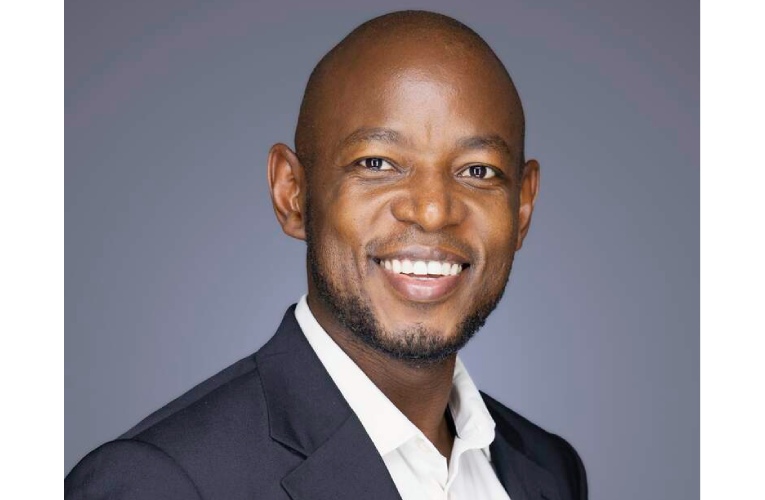
Reviewer: Funeka Bambalele
Directed by Scott Derrickson
Release Date: 17th October
I almost bolted out of that tiny theatre at the UIP Offices in Sandton right in the middle of the screening of The Black Phone 2.
My soul tried to leave my body first. I’m telling you, this film didn’t ease in—it launched straight into nightmare mode! Now, let me confess: I don’t do monster movies. I’m the type who sleeps with the lights on after watching a creepy trailer. So, sitting through this? Consider it my Olympic-level courage test.
Funny enough, everyone I watched it with thought I was being over the top. Apparently, they found nothing scary about the movie. Even Ruth Wissie from UIP was laughing at me. While they were enjoying the movie, I was making silent peace treaties with my ancestors. If that movie wasn’t scary, then clearly my fear settings come pre-installed on “extreme.”
Black Phone 2 is directed by Scott Derrickson, premiered at Fantastic Fest on September 20, 2025, and is set to terrify audiences across the United States when it hits cinemas on October 17, 2025.
The story picks up four years after the events of the original film; this sequel plunges back into the haunting aftermath faced by Finney Blake and his psychic sister, Gwen. The film’s chilling premise and psychological depth promise a horror experience both unsettling and thought-provoking.
At the heart of the film are Finney and Gwen, whose psychological scars run deep. Finney, now 17, struggles to move past his traumatic childhood, while Gwen, 15, finds herself increasingly plagued by sleepwalking and psychic visions. Their relationship is marked by shared pain and a determination to end their suffering. The return of The Grabber, portrayed once again by Ethan Hawke, amplifies their ordeal. Hawke’s performance is chilling, embodying a villain who is more powerful and vengeful in death than he ever was in life.
Driven by the need for answers, Gwen, Finn, and Ernesto set out to investigate the Christian center, only to confront unspeakable evil face-to-face.
Gwen’s dreams suggest some connection between her and three of the Grabber’s victims, as well as her dead mom, who calls her from a pay phone at a Christian winter camp (run by Demián Bichir). Gwen sees dead bodies floating to the surface of a frozen lake, carving letters into the ice, and convinces her boyfriend, Ernesto (Miguel Mora), and Finn to drive out under blizzard conditions to investigate.
Black Phone 2 excels in its atmospheric tension. The icy, desolate landscapes of Iceland and the snowbound Alpine Lake camp serve as fitting backdrops for a story steeped in dread. The cinematography captures the stark terror of the characters’ experiences and the claustrophobic horror of their environment.
This sequel dives deeper into themes of trauma, grief, and the supernatural. Gwen’s visions and the persistent haunting by the camp victims tie the narrative to unresolved family tragedy, making the horror intensely personal. The film explores how evil can transcend death, affecting both the living and the dead. As Gwen and Finney confront their darkest fears, the story reveals a disturbing connection between The Grabber and their own family history, forcing them to face not only external threats but also painful truths about themselves.
Black Phone 2 stands as a worthy successor to its predecessor, expanding on the original’s mythology and delivering a chilling exploration of trauma and evil. With standout performances, a gripping narrative, and masterful direction, it will leave horror aficionados enthralled and newcomers shaken.
For fans of horror and those who crave chilling supernatural thrillers, this film is a must-see. However, viewers sensitive to disturbing imagery or intense psychological themes may find parts of the movie overwhelming.