
Response to the play The Fall: #RhodesMustFall Movement failed because the lack of analysis, says political scientist and philosopher Lwazi Lushaba
While at Wits in 2015/2016 as a politics student, Dr. Lwazi Lushaba was one of the leaders of the protest.
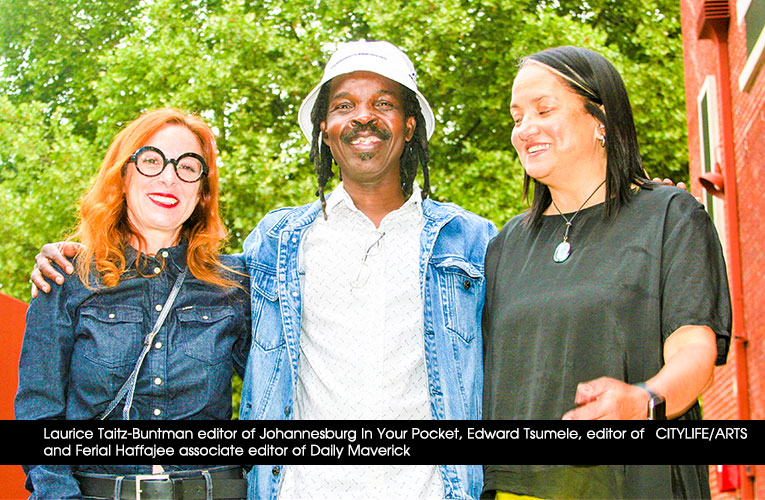
By Edward Tsumele, CITYLIFE/ARTS Editor

It seemed weird that here I was to attend a lecture that was a response to a show that I had not watched. This I must say at the outset that normally this would not have been impossible, that is to attend the opening of The Fall last week Friday at the Market Theatre. As arts journalists we get invited to the opening of shows so that we can review and critique such shows as normal journalism practice, a long established relation between those that create cultural and artistic products, such as actors, directors, musicians, dancers and painters on one hand and those whose job is to sit down, watch with a critical eye and ears, the production in the case of a performance or view an exhibition in the case of visual art and evaluate such work. I follow into the latter category.
It is therefore for that reason that I found myself joining others at the Market Theatre last week Friday, waiting to get into the theatre to watch this production. But I stood no chance. i immediately reached this conclusion because through my tardiness, I never bothered to RSVP for the show when I recived the invitation to do so. Normally this could be sorted out in a matter of minutes.
The Market Theatre marketing and communications teams have on several ocassions accommodated my tardiness and made sure that I get a ticket to watch productions, whether I have RSVPPEd or not. I know it is a bad habit whenever that happens, and I try no matter how busy I am to honour such invitations and let them know in time that I am attending. But you know what, life happens, such as on this ocassion. After all when i arrived, there were people waiting on the queue, tickets in hand, waiting to be ushered into the theatre. Some clearly frustrated and frantic. The production, the fall was oversubscribed, we were told, and this is because some people bought tickets online, the message was added for goot effect.
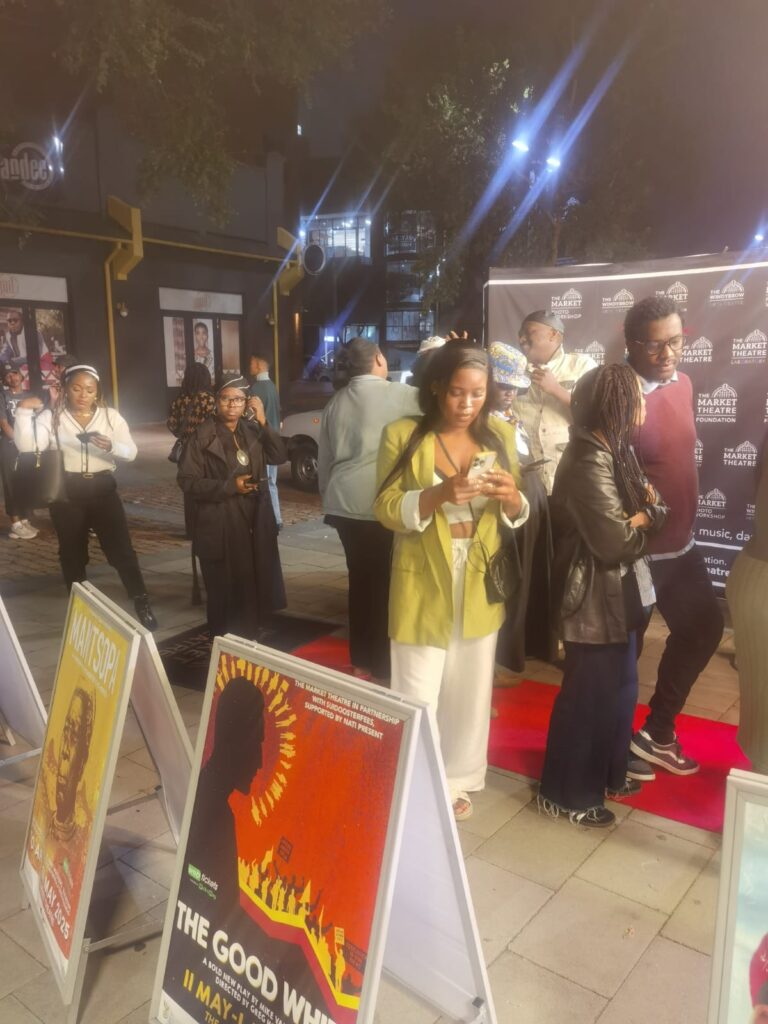
It is then that I walked away, and therefore could not watch this production that attracted so much interest from especially Johanneburg’s young crowd, mostly students from surrounding universities who had come to watch what they believed to be a production that talks to the issues that affect them, their daily lived experience at academic institutions of learning in post apartheid South Africa.
After all this is a production that reflects on the student protests of 2015-2016 under the banner of #RhodesMustFall . Initially the brave protest focussed on the unaffodable tertiary institution fees that their parents could not afford, but soon morphed into a protest whose scope and framework developed into questioning the very curriculum that was offered and still offered at tertiary institutions. They deemd this type of education to be problematic in that it is steeted in Western norms and traditions that the students deemed to be out of touch with their immediate environment as Africans living in Africa with its unique challenges requiring new ways designed to address such challenges. The Western education, the students argued, is not the answer.
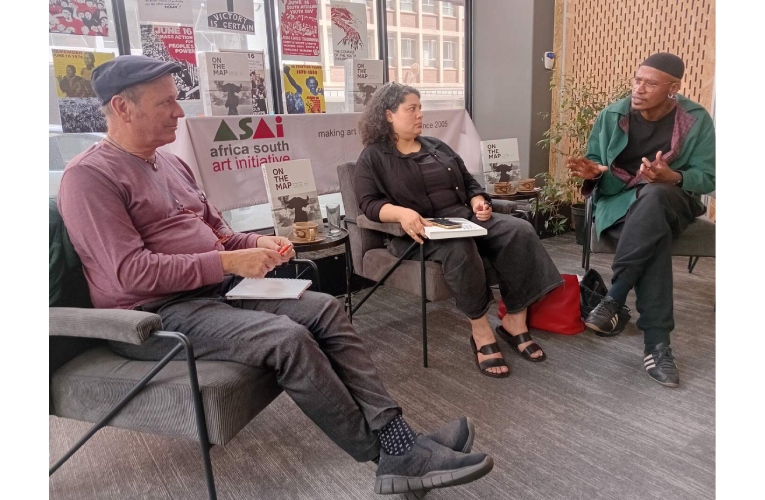
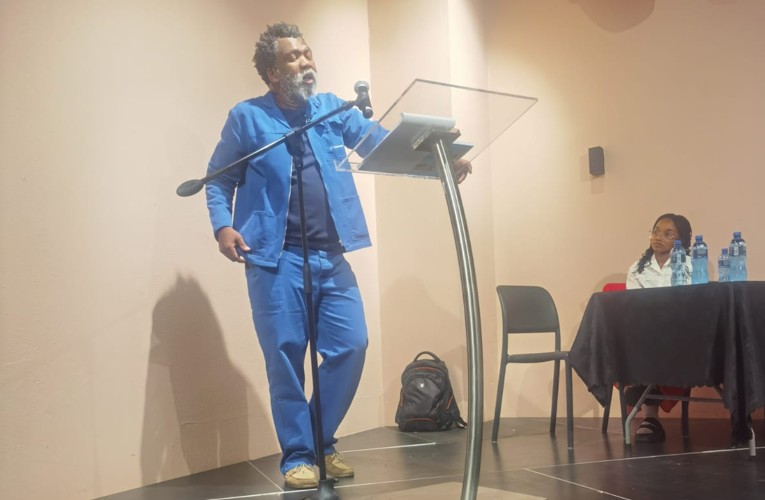
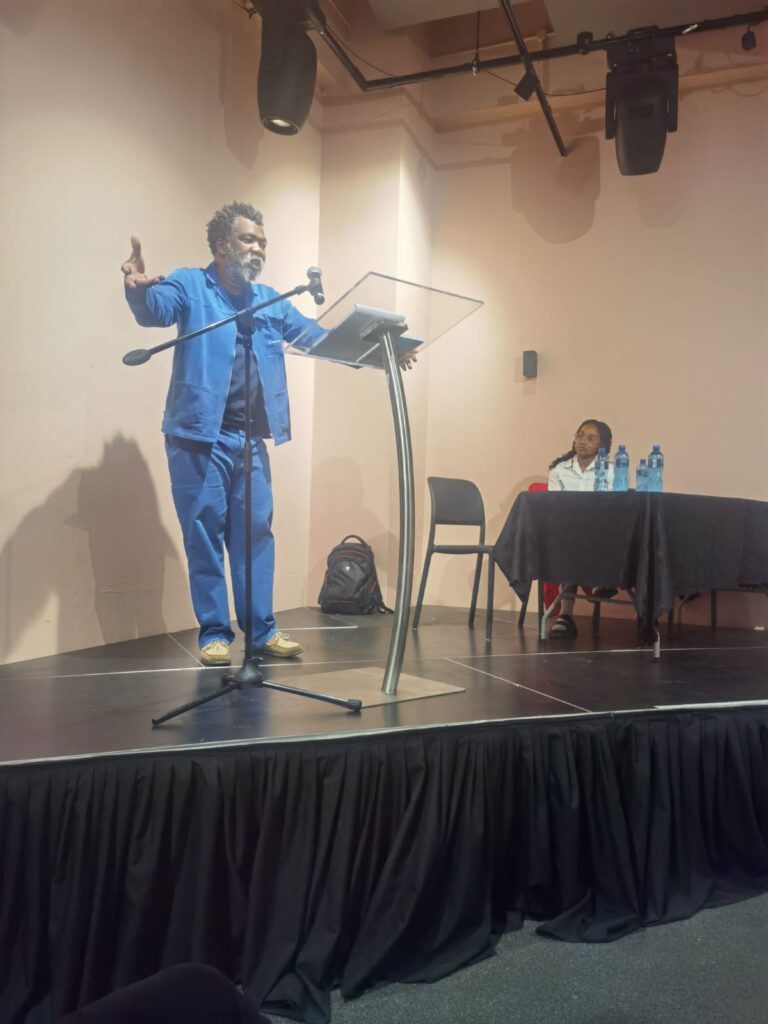
And so this is the reason I found myself on Saturday, April 12, 2025, at the Market Theatre again, but this time to attend political scientist and philosopher Dr. lwazi Lushaba’s lecture. He is an outspeken politics lecturer at the University of Cape Town.
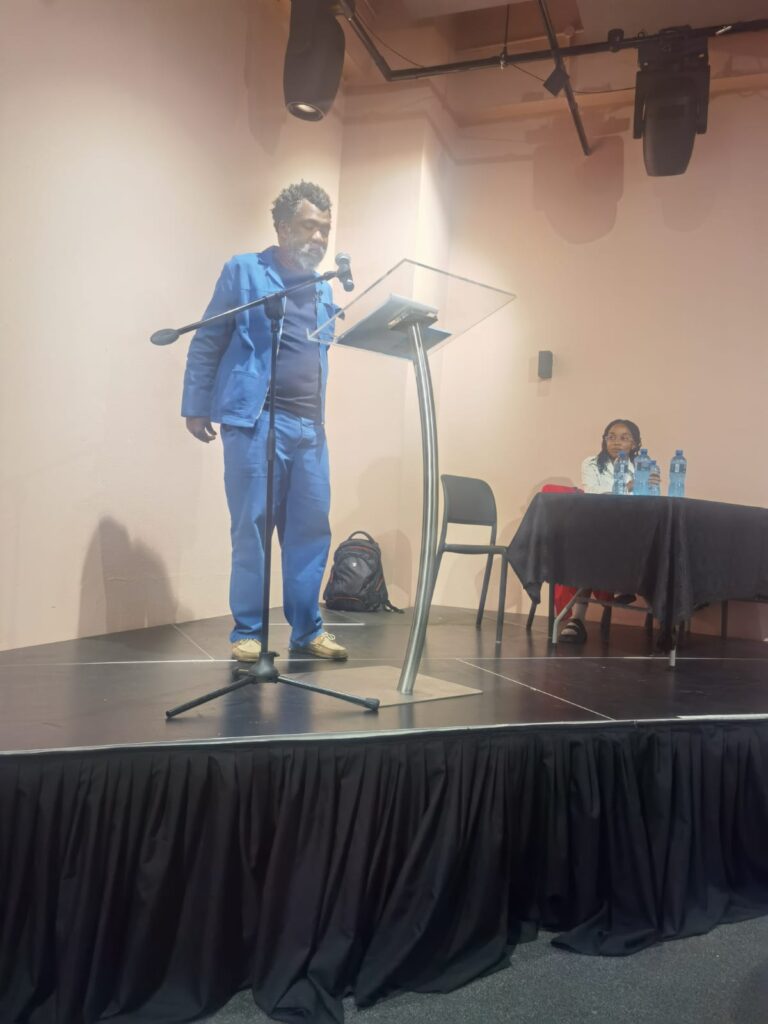
His lecture was a response to the very show that I could not attend, but nevertheless had to attend this lecture. You see, Lushaba was in the thick of things so to say, during the #RhodesMustFall protests as a participant during his student days at Wits where he was studying for his politics doctorate. But as life has it, he has since moved on after graduation into academia. However he remains a fierce critic of most things Western in education. He also has since become one of the loudest voices critiquing the #RhodesMustFall Movement, the very same movement of which he was not only a part and pacel of, but also one of its leaders and strategists.
“When I look back, I understand now why it failed to achieve its aims. Even before the ink on the paper on which the agreement between the university and the protesters about the issue of insourcing dried, a day after that agreement was signed, workers were up in arms, dissatisfied with their working conditions. And it is not because they were ungrateful. It is because of the structural issues,” he pointed out.
And quite notably, he does not absolve himself from the failure of the movement as he was part of it, pointing out that it failed to achieve its full objective, such as delivering complete freedom to students and workers on campus and changing the curriculm, decolonising it.
Academia in his view, is also not blameless. “In fact the people who benefitted the mosy from the #RhodesMustFall protest are academics, but today they have retreated to the old days, pretending that everything is fine, just like the situation was before the protests,”he said, before adding. ” Academics, of whom I am now a part of, are petty bourgeoisie comfortable with the status quo.”
He then went futher and framed the failur of the protests to achieve freedom not because the people at the forefornt of it, were intentional about that, but because the structural issues that gave rise to the protest remained intact, unaffected.
“The movement failed because of the lack of analysis. this is the same fate that befell nationalist movements in Africa after they fought against colonialism and attained independence. In fact I will use a bad example locally. A bad example drives the point home more clearly. Most of the leaders of the FeesMust Fall/Rhodes MustFall are now in the public sector, holding top jobs. But these very same people are the ones iltreating black people when it comes to delivering services to them. They have since been absorbed into the system. They illtreat black people and never white people. This is because being black, tracing that idea back to Western philosophy that never in the first place regarded black people as human beings, but less. That is why they treat our people in the way that they do,” he said.
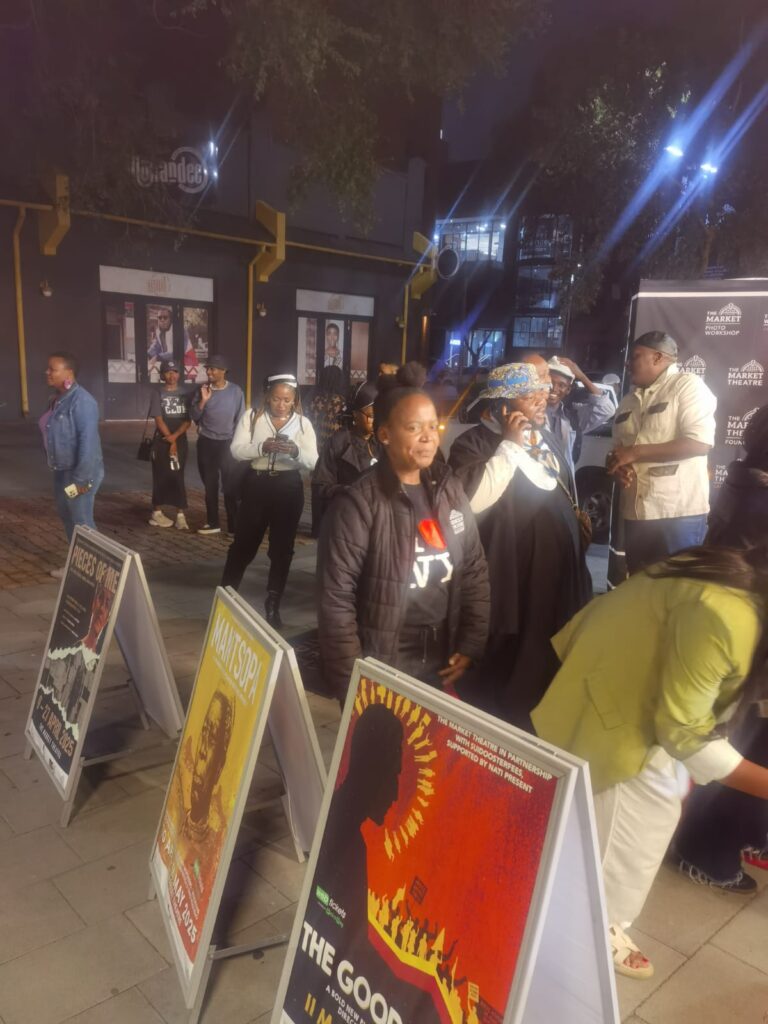
And just for context and simply because I had not opportumnity to watch this production, please note what the market Theatre says about The Fall.
“The Market Theatre has partnered with TheatreDuo & Co for a season of “The Fall”, an award-winning collaborative protest theatre piece originally written by post-grad Drama majors at the University of Cape Town and first produced by The Baxter Theatre Centre. The original production went on to enjoy multiple outings in Europe and the USA, receiving commercial and critical acclaim as it sold out venues and earned raving reviews from leading publications such as The New York Times. After its premiere in 2016 at The Baxter Theatre in Cape Town, “The Fall” went to the Edinburgh Fringe in 2017, and later toured to London in the UK, as well as New York and Washington D.C in the U.S.
Now in its re-imagined instalment, “The Fall” comes to The Market Theatre with a fresh new take, co-directed by the award-winning Mahlatsi Mokgonyana and Billy Langa, in collaboration with Ernest “Ginger” Baleni in movement direction.
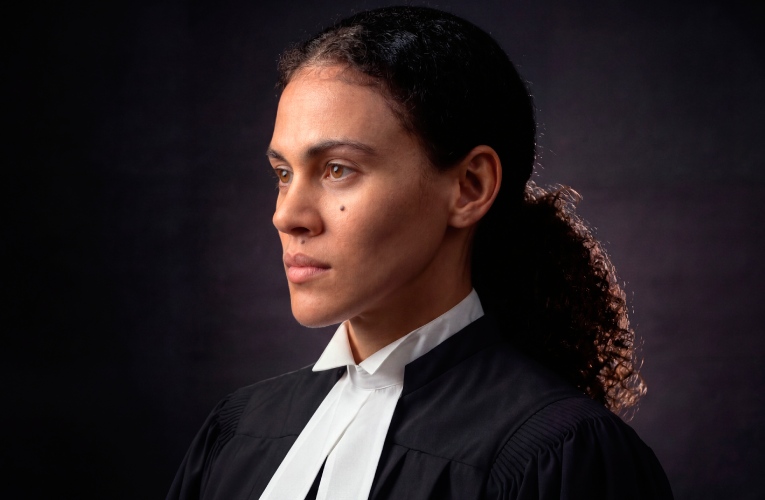
This searing and insightful play recounts the experiences of #RhodesMustFall activists who called for the removal of the towering statue of British imperialist, Cecil John Rhodes, from the University of Cape Town. It further examines the crosscutting roles that race, class, gender, sexism, colonialism and the ideologies of patriarchy play in the perpetuation of discrimination.”
The Fall is currently running at the Market Theatre for those who would want to watch it.