



The controversial internationally lauded touring JAG art collection returns home to a warm welcome at Standard Bank Gallery
Aptly titled Homecoming, the exhibition is specially curated for G20 Summit, and is a collaboration between Standard Bank Gallery and Johannesburg Art Gallery.
By Edward Tsumele, CITYLIFE/ARTS Editor

You of course must have heard about them before, for they have been circulating among particularly art circles. That is the rumours that the Johannesburg Art Gallery (JAG) Collection, one of the most valuable museum collections in the world, in terms of both financial value and historical significance, is travelling around the world, under circumstances that are ‘opaque’. The public got concerned with civil society organisations in the art sphere in particular, raising an alarm.
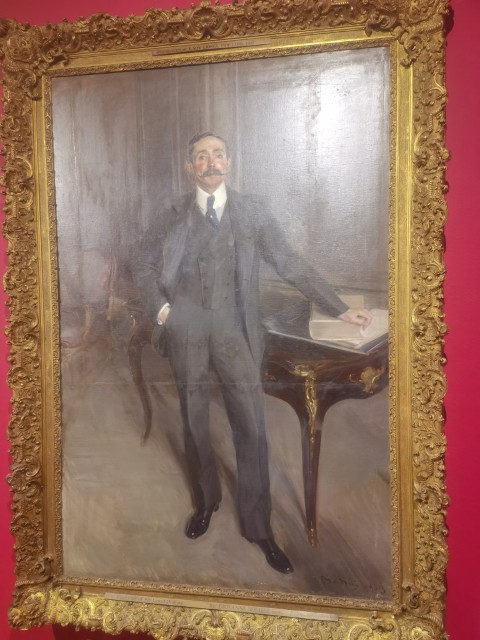
This is especially because the works are quite valuable, dating back to centuries, and in many ways,form an important narrative about the evolution of the country in general and the genesis and metamorphosis of Johannesburg in particular. After all, Johannesburg’s genesis was shaped by a valuable mineral underneath it, the discovery of gold in 1886.
Today, one cannot talk about Johannesburg’s history without talking about the role players that became embedded in the grand narrative of its development before becoming a famous city. These role players basically being all sorts of people -the fortune seekers, chancers, those from shady backgrounds trying their luck in what was then a farmland-undeveloped, raw but rich in minerals. And wait a bit – also the people that actually did the digging.
These were the migrant workers from the rural areas of South Africa and from the southern African sub-region, also lured by the prospects of making it in the City of Gold. And so, instead of farming, many chose to explore the underground, where really wealth of the then farmland lay, the story goes.
And so gold was dug up by those with the means, employing mainly cheap black labour, paying them very little, while the people with capital, mainly from overseas, became the real players during the Gold Rush. Some made money and lost it. Some made it and it.Even grew it,and became wealthy, while others saw their dreams become nightmares. And of course there were stories of the crooked, robbing others and also in turn being robbed during that period of what was dubbed the Gold Rush. This is basically the story of Johannesburg.
But those that made it, became really wealthy. Actually very wealthy. It is therefore among this class that among them were those that had taste for the finer things in life. That is beyond the expensive whisks and mature wines they imbibed at their favourite hang-outs after working the mines. However, beyond the arrogance that some of them are said to have frequently displayed during their now legendary drunken parties at The Rand Club, especially after a good yield from their mining claims, they did something that today is a legacy of what became the Johannesburg Art Gallery.
They collected art, and not only from the region, but beyond. Some of those art works found their way into the Johannesburg Art gallery, and today are worth a fortune, from a cultural, historical and monetary perspective. Therefore and fortunately, besides their ostentatious display of wealth, arrogance amongst each other that mythological Johannesburg tells us, some of the Randlords did something that with all honest, we need to acknowledge: that is the investment in art, some of which today is part of the collection at JAG. And this is for the benefit of the public today. The reality is that those art works, belong to the public, and nobody else. This is according to those benefactors of JAG and its collection.
It is therefore important to understand why the public needs to know how that art wealth is managed by the city, for it is managed on behalf of the public by the city.
It is for this reason that the news that this valuable collection was facing the certain riskof damagedue to the bad shape of the building housing it became a matter of public interest. Even rumour.
It is also the same reason when the works were loaned to overseas museums, which in terms of exposing the cultural capital of the city, and the country at large, is not necessarily a bad thing. But that news too when it broke out,attracted public interest and scrutiny.
Perhaps, what the city should have done was to be transparent from the start. The powers that be needed to have assured the public that it was in the interest of the city and the country to loan these works. It was therefore an opportunity for the city to expose the cultural capital within it, and in larger context, the country as well to the globe. All countries do that. But because of the lack of transparency, rumours, all sorts of damaging rumours, started circulating. It is a pity.
Anyway,it is therefore some of those artworks form the extensive JAG Collection that in recent years travelled to museums overseas, on a loan from JAG.
The international tour included prestigious venues such as MODEM – Centre for Modern and Contemporary Art (Hungary), Palazzo Ducale (Genoa, Italy), Palazzo Barolo (Turin, Italy), and major South Korean institutions including Gyeongju Arts Centre, Busan Cultural Center, and Sejong Center for the Performing Arts (Seoul).
Of course, with regards to showcasing the wealth that South Africa has, that is cultural wealth. It is a significant exhibition that put the country’s artistic heritage, at least the collection in the vaults of JAG in Joubert Park, downtown Johannesburg,up there with the best of the art capitals of the world. The travelling collection is reported to have done well. For example, in South Korea alone, the exhibition attracted nearly 500,000 visitors, reaffirming the global significance of Johannesburg’s heritage and strengthening the city’s cultural brand.
This is indeed good for JAG. Good for the city of Johannesburg, and therefore also good for the country with regards to cultural capital and currency. However, there is also another flip side to this.
For example, being on loan, does it mean that the collection earned money for the residents of Johannesburg, especially when the gallery itself is in bad shape structurally, to the extent that the collection is currently being moved to Museum Africa, in Newtown, while the building is waiting for the badly needed renovations to commence? There have been reports circulating for the longest of time that the building is so bad in shape that leaking is common. The valuable collection is actually in danger of being damaged. If the artworkswere loaned for a fee, that money would be helpful in covering some of the costs of renovations, particularly because the city is said to be cash strapped. It can be argued.
However loaned for money or for free, there is good news about that collection right now.
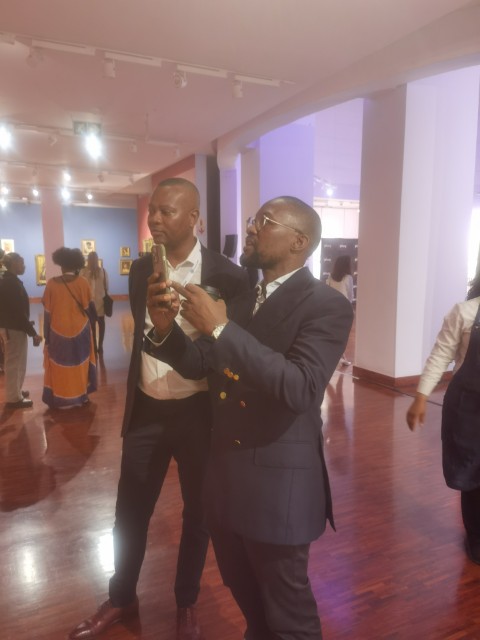
When this week on short notice, Thursday, November, 20, 2025, I received an invitation to attend a preview of a special exhibition at Standard Bank Gallery on Simmonds Street, down town Johannesburg, showcasing some of the works that were part of the International touring exhibition, I dropped everything I had planned for days. I headed straight to Standard Bank Gallery, where I found myself with many others who probably felt the same way.
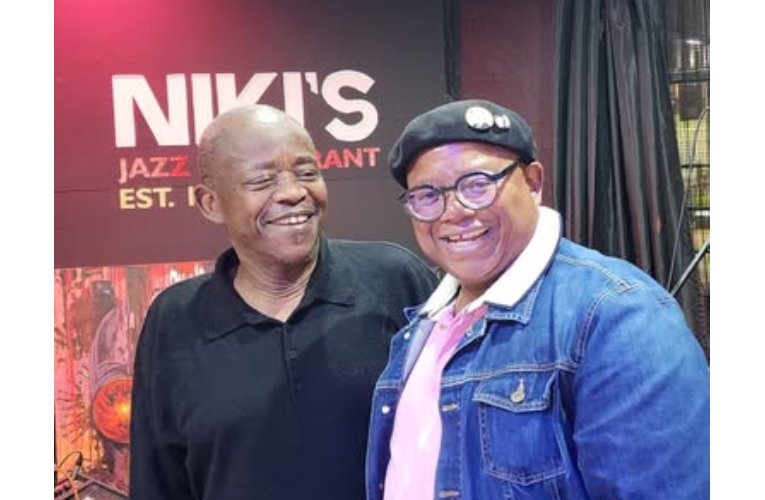
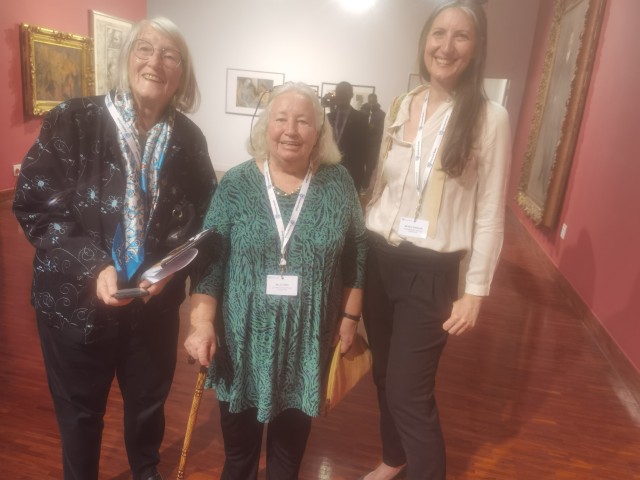
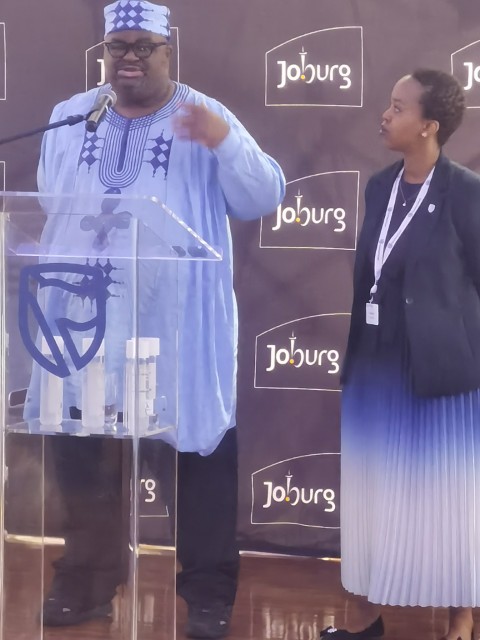
The media attended in big numbers. The Executive Mayor of the City of Johannesburg, Dada Morero, was there with top executives his top executives in tow, and so were a number of diplomats, including the Ambassador of France to South AfricaDavid Martinon, who lead a big team from his office. There were also a number of stakeholders, including top leadership of civil society organisation, among whom were Friends of JAG and the Johannesburg Heritage Foundation. These two organisations were some of the fiercest and vocal organisations when it came to the JAG Collection and the risk it faced due to the poor state of the building housing it.
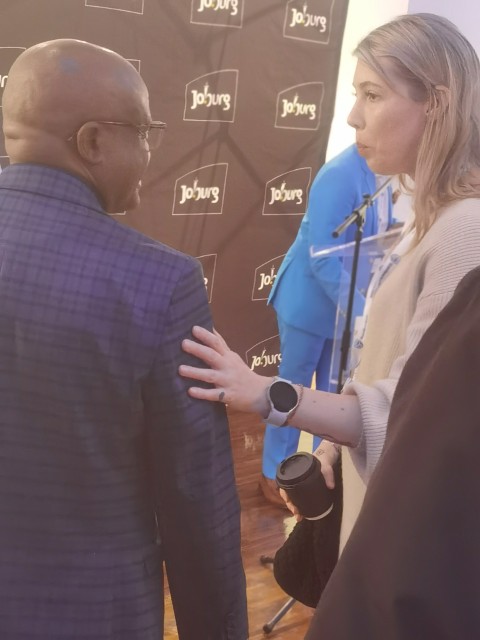
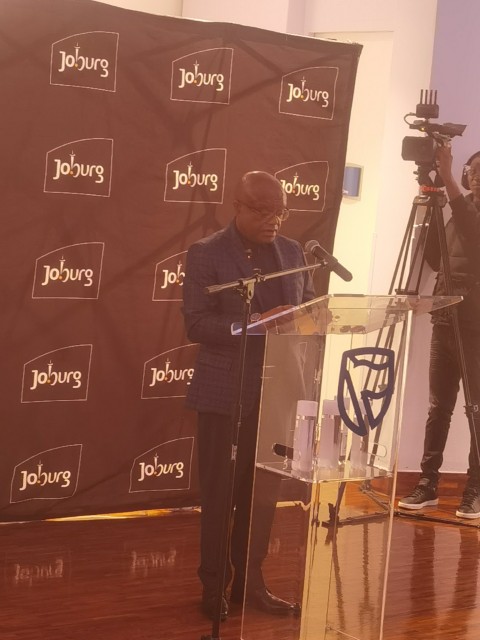
However on Thursday, after a beautiful presentation about the curatorial thrust of this exhibition by JAG’s Chief Curator Khwezi Gule, who co-curated this exhibition with Standard Bank Gallery Chief Curator and Manager Dr Same Mdluli, you could tell that there was a sense of relief now that the touring collection was back in the country, and most importantly, it is being exhibited in a suitable home, that is the Standard Bank Gallery.Yes, for now this exhibition titled Homecoming, is not open to the public, but has been put together as a special exhibition for the G20 Summit. But comer next year, the public will have the benefit of a full blown exhibition in a space that is accessible to the public.
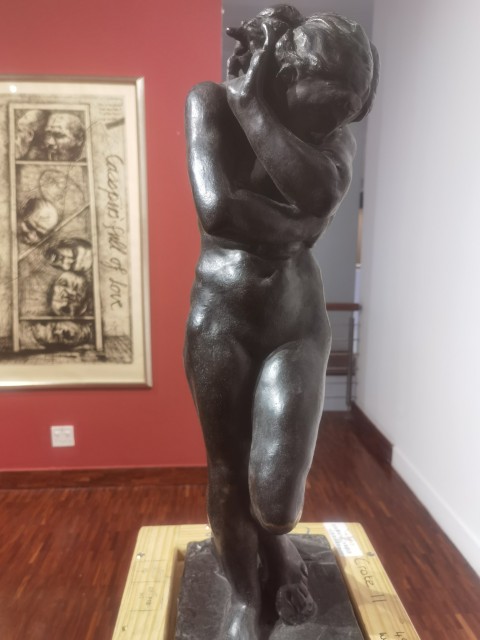
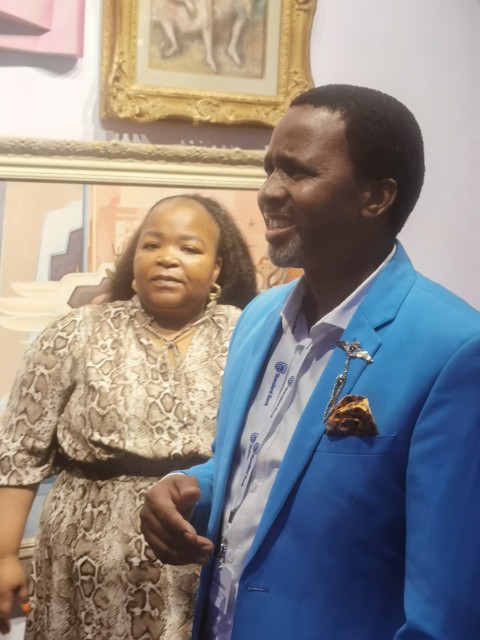
Another good news for the art loving public in general and those who have been calling JAG their home before it current complications set it, is that at the launch of this special G20 Summit exhibition, themayor confirmed that the city was going ahead with the renovations JAG.
“I want to assure everyone that just like what we have done with the Johannesburg Library earlier this year, Johannesburg Arts Gallery will be renovated, come July 2027,”he said in his speech launching theHomecoming exhibition framed as part of the G20 cultural program.
The Executive Mayor announced that he was expecting to host the French PresidentEmmanuel Jean-Michel Frédéric Macron who with other world leaders of the G20 countries is attending the G20 Summit at Nasrec, from 22 to 23 November 2024.
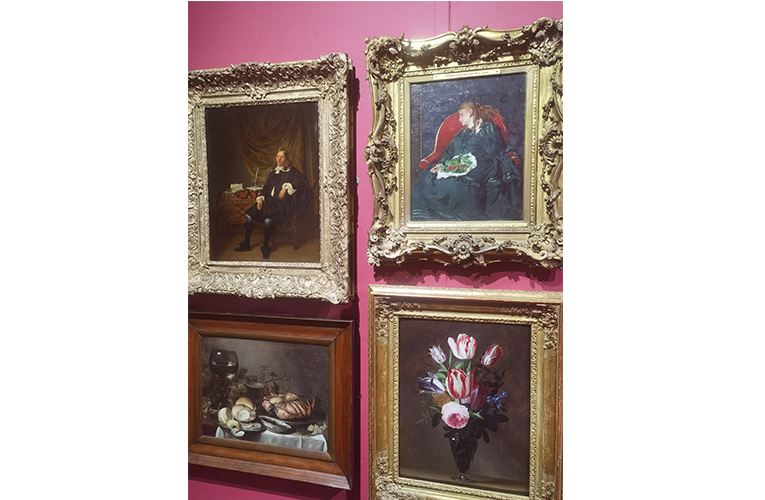
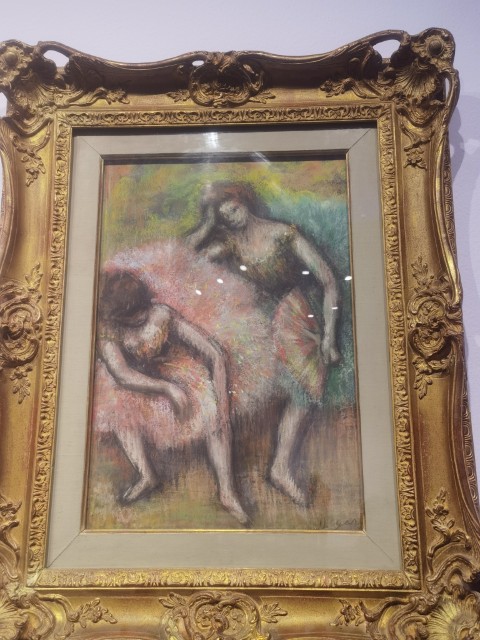
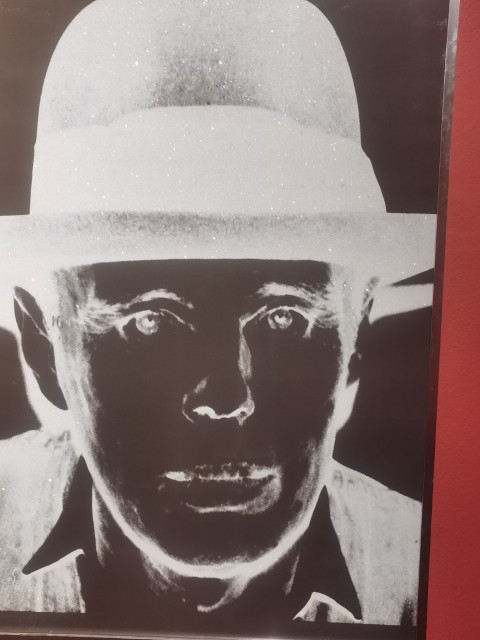
When Gule started explaining the philosophy behind the curation of this exhibition after being introduced by programme director, Vuysile Mushudulu, Director of Arts, Culture and Heritage at the City of Johannesburg, it became clear to those listening that this was indeed an important exhibition that South Africans, young and old, need to see. Among some of the most prized art created in South Africa centuries ago, dating as far back as the 17th Century up to the 1980s, include works by Alexis Preller, Gladys Mgudlandlu, William Kentridge, and Gerard Sekoto, among others, and those from overseas include historically significant works by Monet, Andy Warhol and Picasso, among others.
The French Ambassador to South Africa, who was clearly impressed by the exhibition committed his country to assisting Johannesburg Art Gallery in its new path to becoming what it should be – an important gallery suited to house some of most valuable art works in the world without the fear of risking damage to its priceless contents.
So in essence, this launch of this landmark cultural event became a celebrationof the return of the 145 artworks from the Johannesburg Art Gallery (JAG) after the extensive though controversial international tour, while at the same time marking a historic partnership between Standard Bank Gallery and JAG.
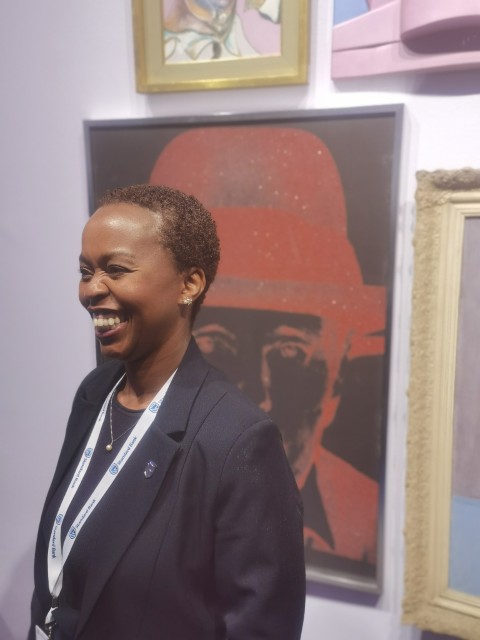
“As the City of Johannesburg, we are proud to lead initiatives that celebrate our rich cultural heritage and strengthen partnerships that elevate the arts. The activation of the Johannesburg Art Gallery through this collaboration with Standard Bank reflects our commitment to ensuring that art remains a vibrant part of our city’s identity. This exhibition is not just about showcasing masterpieces; it is about reaffirming Johannesburg as a cultural capital and creating spaces where creativity thrives.”
Yolisa Koza, Head of Brand Experience at Standard Bank Group said;
“It is an honour for Standard Bank to assume custodianship of a collection of such cultural and historical significance. As South Africa hosts the G20 and B20 in 2025, our partnership with the City of Johannesburg reflects a shared commitment to public access, enabling young learners and older audiences alike to engage meaningfully with the city’s creative legacy. Culture helps society reflect on the present while imagining a wider future. Through this collaboration, we affirm the arts as central to shaping an inclusive, forward-looking community.”
However the public will have to wait for a little bit because official public opening will take place early next year (tentatively slotted around February 2026) at the Standard Bank Gallery, Simmonds Street, with details on opening times and youth-focused programs to follow. An exhibition catalogue will also be published to commemorate this historic event.
However from what I have seen, even though these art works on display do not constitute-the entirety of the returned touring exhibition, this wait is worth it, as this promises to be a milestone exhibition marking an important collaboration between the public sector and the private sector.
Next year when a full version of this exhibition opens, tit will see various several collaborations as partners and supporters, and these are City of Johannesburg, Standard Bank Gallery, Johannesburg Development Agency, French Cultural Institute, Friends of JAG and Johannesburg Heritage Foundation.
One thought on “The controversial internationally lauded touring JAG art collection returns home to a warm welcome at Standard Bank Gallery”