



Bloke Modisane book launch puts spotlight on role of CIA in the life of black intelligentsia of the time
An important Pan African literary conference was said to have been funded by the American spy agency, and so was the facilitation of exile for some of the brilliant minds from South Africa.
By Edward Tsumele, CITYLIFE/ARTS Editor
Since late last year, I moved from Auckland Park to Westdene, and I do most of the shopping at Sophiatown Shopping Centre where Shoprite Checkers is the anchor tenant. Now those that have been following the evolution of this part of Johannesburg closely, would know that it is a place pregnant with history. It is a place which symbolizes the brutality of the white oppression then over the black people of this country. The infamous apartheid removals of the 1950s, saw homes razed down. Where once stood houses reduced to rubble. People’s dignity was debased as they were separated from friends. Uprooted from homes next to their neighbours that they had known for years.
Links even from family members were cut in some cases, based on one’s colour. The social fabric in the process was broken. Residents left scarred to nurse their pain and loss in the new unfamiliar areas where they were dumped. Meadowlands for black peoples. So called Coloureds and Indians were sent to new settlements designated for their specific ‘race’ groups. And so being a resident of this area, in post-apartheid South Africa, this history is difficult to avoid thinking about. This is as in some cases, the physical remnants and legacy are still visible and felt even today in democratic South Africa.
For example, each time I go to the shops to buy conveniences, a short, walking distance from where I live, I pass the iconic building, that was once a home of AB Xuma. Yes, he, the well-known doctor, politician and community leader, who lived in the Sophiatown of the 1950s, a mixed settlement that saw people from different cultures live together. Shacks erected close to mansions. The poor living alongside the rich. The famous and hardened gangsters living side by side with law abiding and hard-working folk. Writers. Teachers. Sheen queens. This is Sophiatown of AB Xuma, Lewis Nkosi, Nat Nakasa, Can Themba, and of course, one writer called Bloke Modisane.
Xuma’s house, a huge property, which in the 1950s must have rated as a mansion in the area, is still intact and well maintained. Each time I pass through this building, my imagination is taken back to the Sophiatown of the 50s, and how life must have been lived there by especially writers working for Drum magazine, such as Modisane.

These are clearly the sort of writers whose writing was in touch with the community they wrote about. Racy and of high quality, their writing today’s is a reference point for a new generation of journalists that came into the fore in successive generations. Through these writers’ work, you can even today see, feel and smell the society they lived in, including the characters who lived in Sophiatown, such as the infamous tsotsis, whose fashion sense, music taste and dance moves were only matched by their knife wielding skills. That is how powerful their words were.
That is Sophiatown before it was reduced to rubble and reassigned a white area called Triomf. (in democratic South Africa, it has regained its lost name, renamed Sophiatown where residents are quite mixed. Black, white, so called Coloured, Indians, old and young, mainly students mostly from University of Johannesburg share the same neighbourhood. It sounds like it is what Sophiatown would have been. Right? Not quite. Not the same thing.
Just recently on March 25, 2026, I found myself having yet again a special interest in particularly one of the iconic Drum writers, one Bloke Modisane.
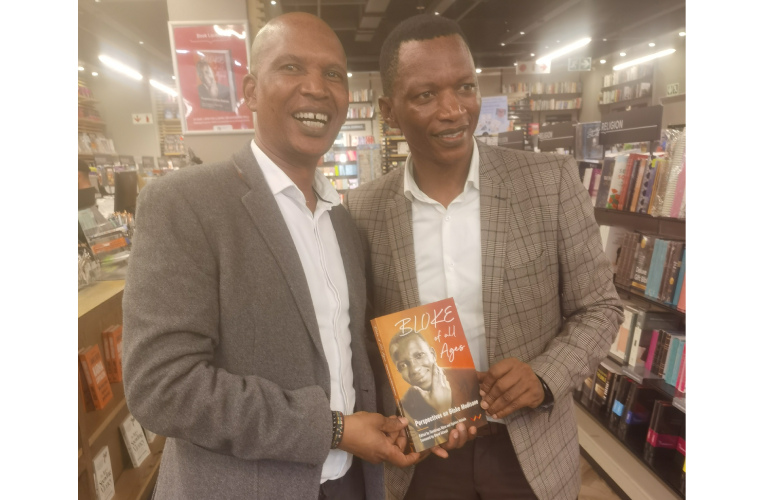
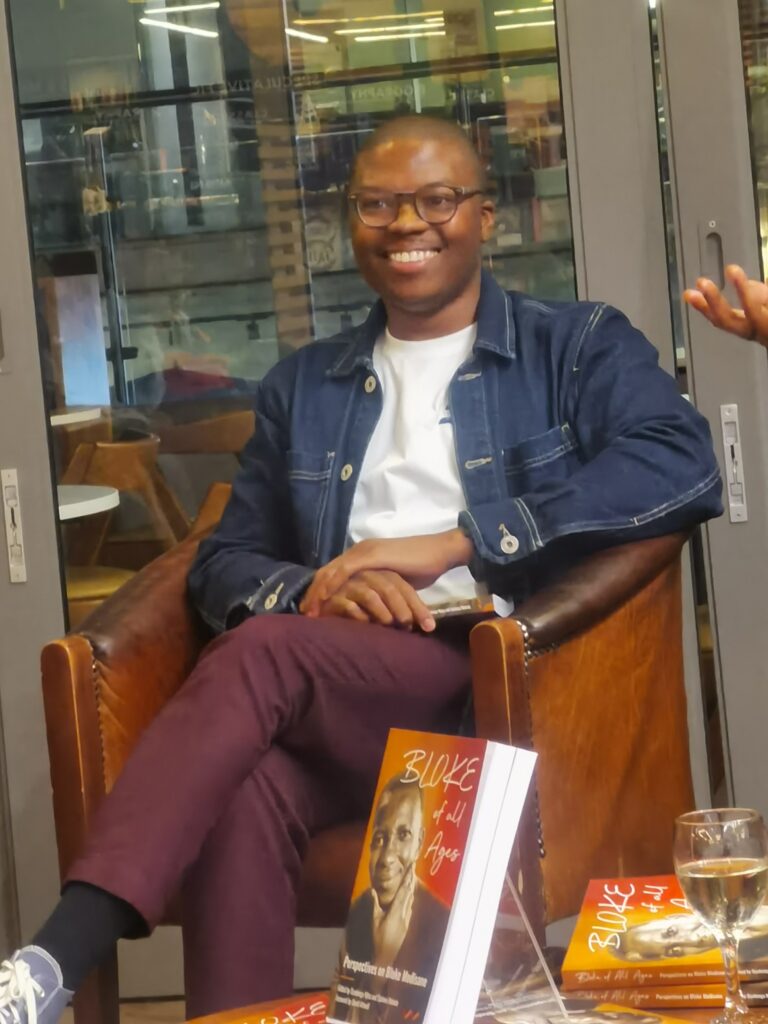
This is because later in the evening, I was going to attend a book launch about the intellectual life and legacy of Modisane, especially his life in exile. The book is titled Bloke of All Ages, published by Wits Press.
This book, a collection of reflections, essays and academic interpretation of the famous Drum writer’s intellectual life by a number of academic contributors, was edited by Siphiwo Mahala, an associate professor at University of Johannesburg, who teaches in the English department there, and Siyabonga Njica, a UK based South African academic.
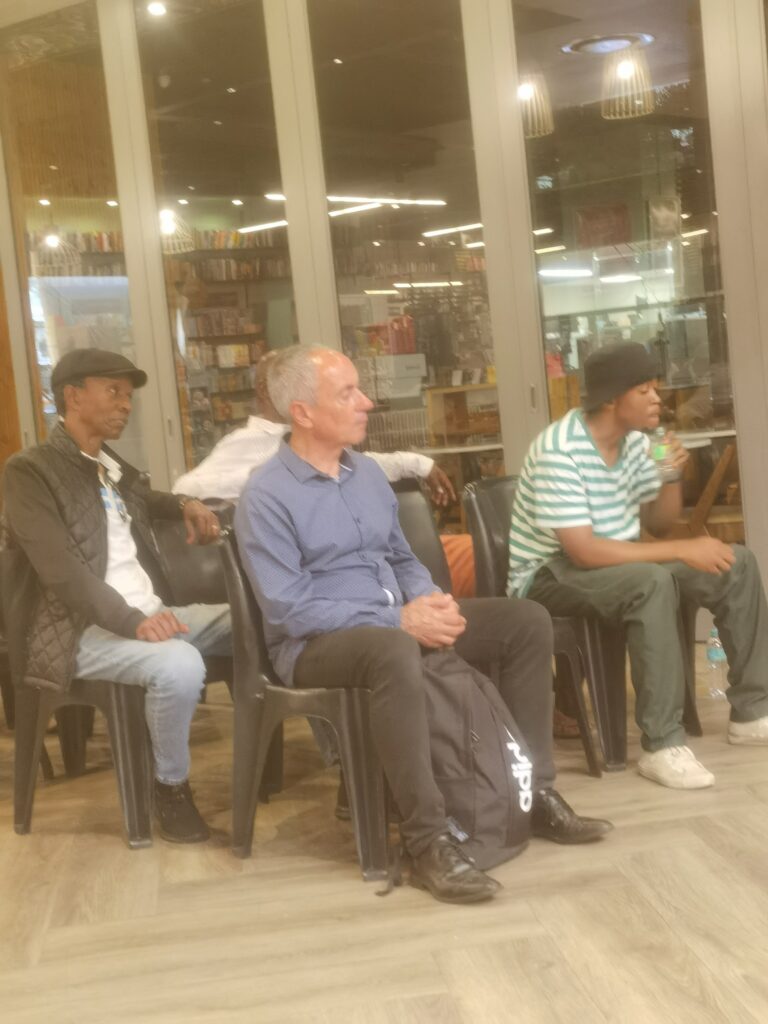
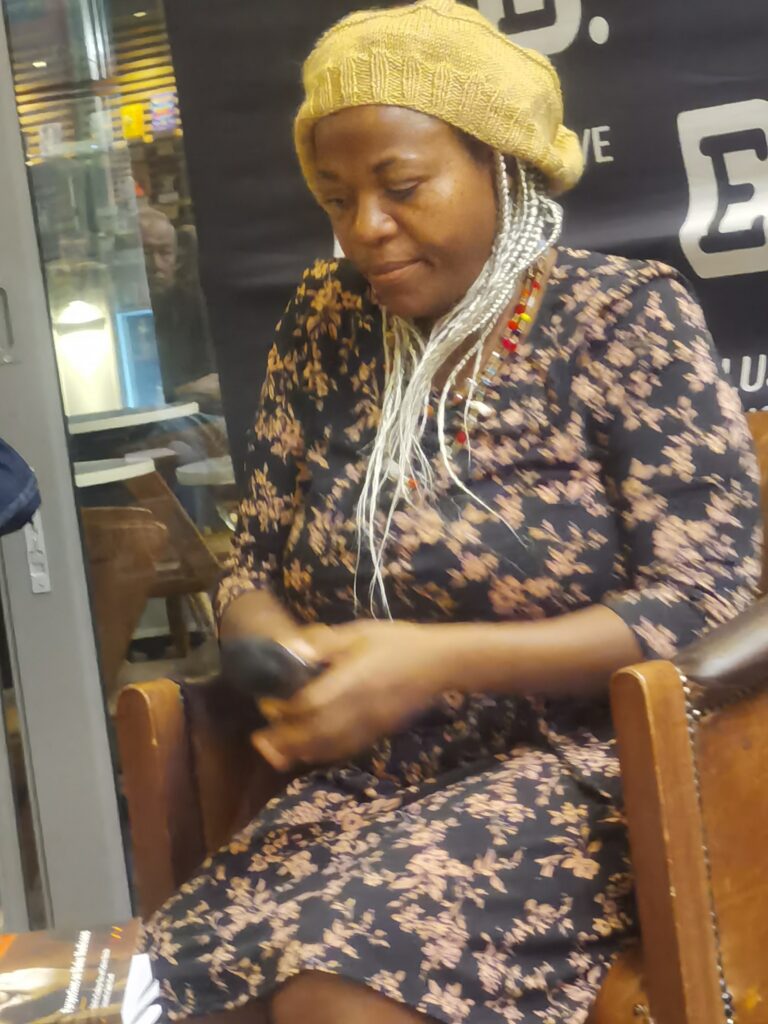
The launch which took place at Exclusive Books in Rosebank, whose panel comprised of Mahala, Bafana Hadebe, a young academic at UJ, and well known writer Zukiswa Wanner, as moderator, witnessed the audience engage robustly with the life of Modisane, characterised as full of complexity, nuance and even contradictions.
For example, Modisane’s life was quite complicated in that, on one hand, through his writing, he came out as a Black conscious person, who understood well the precarious position of black people in his native land with regards to the then prevailing social and political hierarchy in the 1950s. On the other hand, he was described by Mahala as having intermittently displayed the mannerism of an elite class, a social and economic position occupied mainly by white people to which blacks like Modisane could only aspire to be.
In fact many critics of Modisane stop short of describing him as a white wannabe, or simply, non-white in Black Consciousness political jargon.
“For example, Modisane used to invite white friends to his shack where he fed his guests expensive drinks and fine food. Here is a guy who was actually full of contradictions. For example, while he projected an elitist life, his sister died of malnutrition,” Mahhala told the audience.
However, Mahala painted another side of the late Drum writer, as that of a person who later on in life, when he was in exile, expressed himself, in the language of a black Consciousness person. He is said to have written extensively, especially in the text of the letters he wrote to his American friend, writer Langston Hugh, framing his language in the canon of black consciousness. He framed his thinking on the precarious position of black people in relation to apartheid, colonialism and slavery, the audience was told.
Mahala went further and revealed that through research by the academics involved in the project, news was unveiled that Modisane’s leaving of South Africa to exile, happened under circumstances that until now, were darker than what has been said about him previously.
“It was believed that the CIA, was behind his leaving South Africa, facilitating his departure. He was not the only one though from that era who had links to the CIA. Nat Nakasa’s departure to the USwas also is also believed to have been facilitated by the CIA using third parties. These guys though may not have been aware of the underhand of the CIA in their circumstances under which they went to exile. At least some of them,” Mahala said.
Mahala explained this mystery of the dark hand of the CIA, intersecting with these bright minds of the Drum era in the context of a broad infiltration of African intellectuals of the time by the American spy agency.
For example two incidents of infiltration that has not yet been widely debated and scrutinized by society, and yet is well known in intellectual circles, is how, one of this country’s revered Pan African writers, E’skia Mphahlele fell victim to CIA machinations. He even held a senior position of a country manager for a CIA front organization without his knowledge.
“’But at the beginning E’skia Mphahlele may not have known that he was working for an organization with links to the CIA. But later he may have known, but brushed it off when some writers confronted him.
Another embarrassing incident of the alleged infiltration of African thinkers of the time happened at the Makerere Literary Conference at the University of Makerere, in Uganda, where influential black figures in literature from the African continent and its Diaspora, attended without knowing that the conference was in fact, funded by the CIA money with the agency allegedly using a front organisation,” Mahala said.
The iconic conference took place in 1962, and was hailed as successful, bringing together black writers who looked at the state of writing among themselves. To date it is regarded as the biggest ever conference of the nature on the African continent by African writers.