


After the success of haunting stage play Gabo Legwala, hard hitting poet Modise Sekgothe publishes a book
By Edward Tsumele, CITYLIFE/ARTS Editor
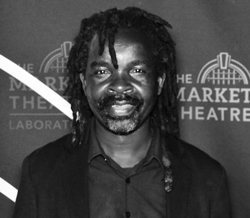
The play does not hold back. Created at the intersection of poetry and a play, it digs deep into the blues experienced by boys who grow up in a single parent home. Without the father, without that figure regarded in most societies as the symbol of discipline, advice and a family figure, the father’s absence creates a vacuum among boys coming of age. Therefore someone has to fill that gap. Often it is fellow boys, who themselves share the same background of growing up without a father. You can imagine the kind of advice that is shared under such circumstance. It is like the blind leading the blind, apologies for the punt.
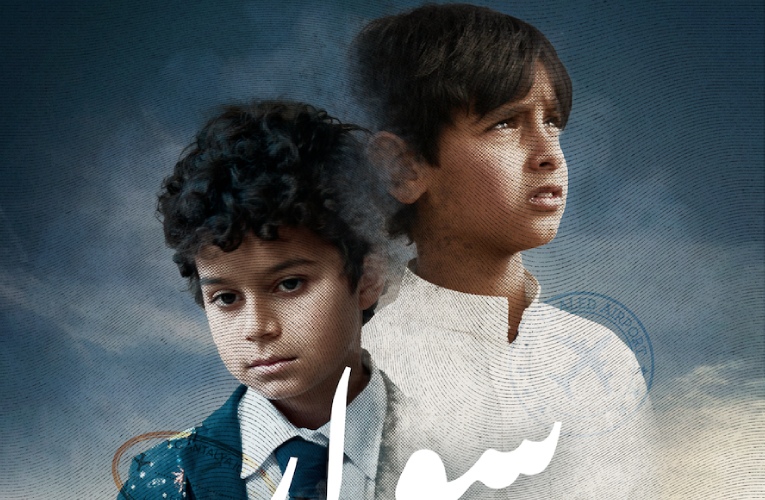
These issue are ventilated in the play, Gabo Legwala, a piercing piece of writing by Standard Bank Young Artist Award winner for Poetry for 2025, Modise Sekgothe. The play well directed Mahlatsi Mokgonya of the Theatre Duo fame, with playwright Monageng Vice Motshabi as dramaturgewas first performed at the Market Theatre to critical acclaim.
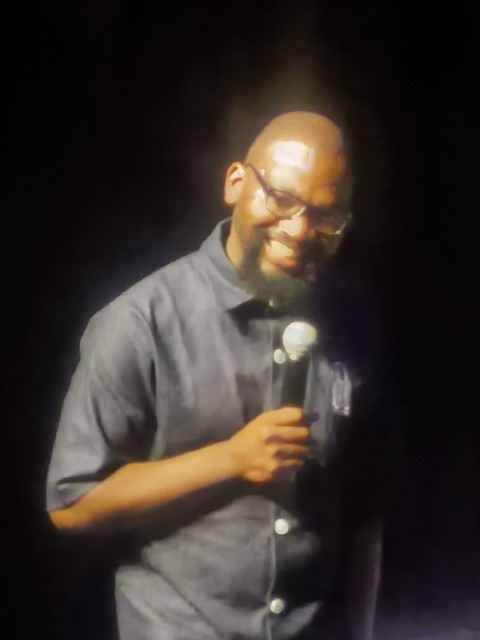
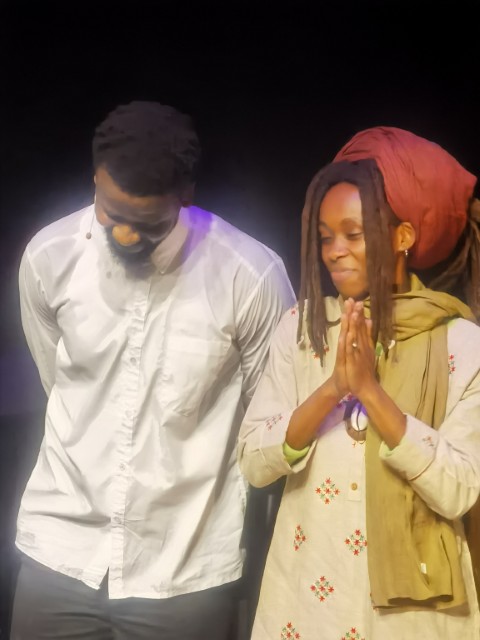
The original cast consisted of Modise Sekgothe, Yogin Sullaphen and Phumla Siyobi, with Ketsia Velaphi wearing the heart of co-producer. Sound is by Thabo Pule, while Kamogelo Magajane and Ditebogo Mandita took care of the stage, creating a haunting play that cuts deep into all the senses of the audience. It certainly is not for the faint hearted, as it will drive you to tears because of the clinical manner in which it dissects social issues such as the life of no direction among boys that grow up in households with a father figure absent, leaving scars in some of the boys. Scars that they grow up with, and some of them unfortunately never fully recover from till adulthood.
The text is a master class in writing, taking one deep into the minds of the young boys as they grapple an uncertain future without a father figure. Sekgothe uses precise words that mean exactly what they are meant to mean, and because the play is dealing with a painful experience, an experience that is shared by many families in South Africa, and that is also shared by neighbour hoods –absent fathers and how that absence affects young boys, it is difficult not to compare what the play exposes on stage to what is actually happening in contemporary South African society.
When I first saw the play at the Market Theatre last year, I left the theatre in pain. Not because the play is not good. It was because it is too good in its depiction of the ugly and worse in society when it comes to boys growing up without a father, that it becomes too much to take it all in.
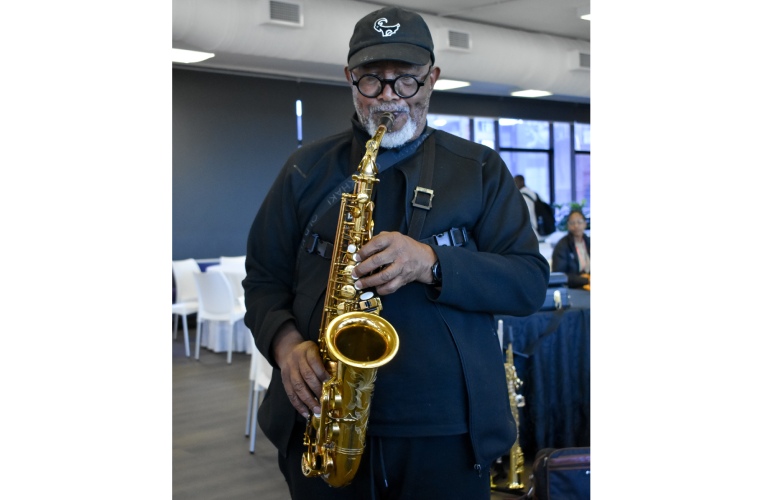
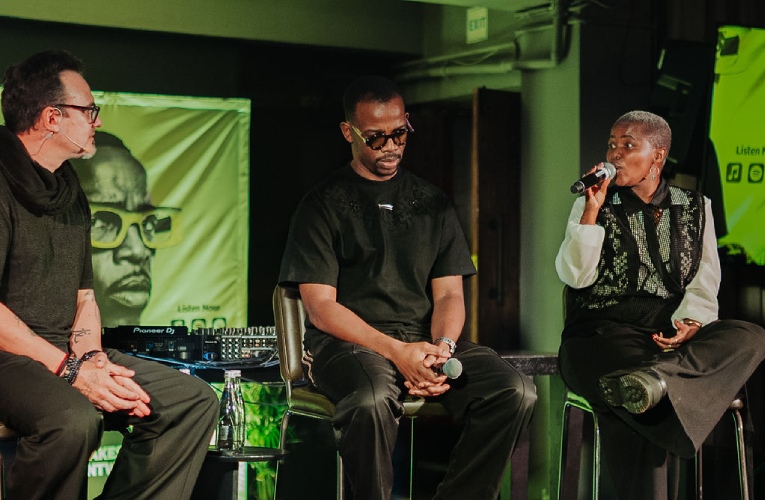
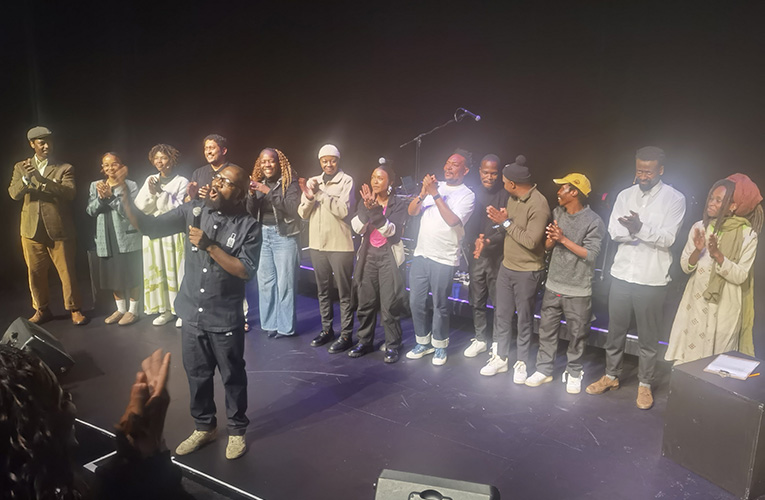
On Saturday, April 25, 2026, at the Market Theatre Lab in Newtown, I felt the same pain as that I felt last year during the show’s run at the Market Theatre. This is because probably the most powerful scene from the play was performed by Sekgothe, alongside an instrumentalist and a dancer. I was touched. I was pained. I was haunted. It was so much painful to come face to face with this scourge of absentee fathers on stage that it appeared real. I felt the same way I did last year when I first watched the full play. The pain was so much that I could not wait to hear an assembled panel unpack Gabo Legwala. And gain, there is nothing wrong with the play and the issues it tackles. It is in fact so good that the difference with what is on stage and the reality outside the theatre is the same. There is no way of avoiding what you experience everyday in our society and what is depicted on stage. The resemblance is striking. Society has a real problem in its hands that they need to deal with urgently. The absentee father.
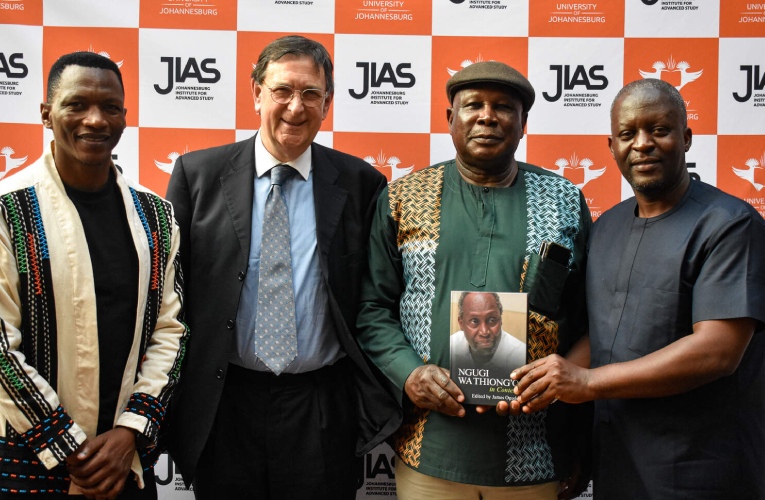
However, Saturday’s event was not a full production, but part of the stage production performed to launch a book of the same title Gabo Legwala, which constitutes the text of the play. The proceedings were led by Standard Bank Young Artist Award winner for Theatre (2020), Jefferson Tshabalala, who was the programme director for the evening, and revelled the audience, mostly hailing from the arts community with relevant and punchy jokes.
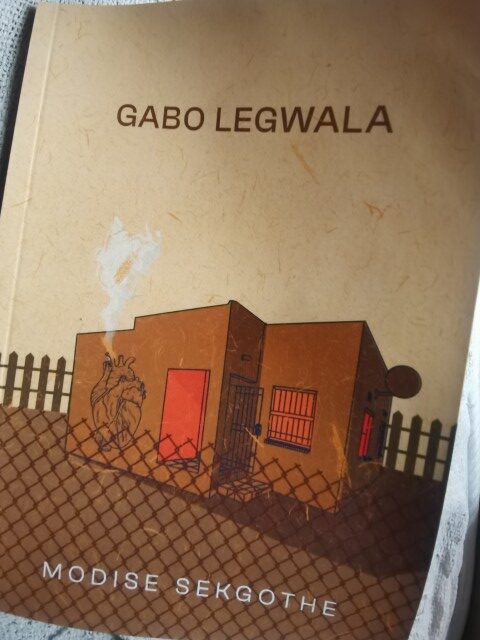
Gabo Legwala costs R200, and look out for it in your local bookshop. It is worth investing in it, and not only will it expose you to some of the best text to emerge out of this country from young writers, but let you in to know intimately the affliction of absentee fathers afflicting a number of households in contemporary South Africa.
But just a word of warning, you need to pose and drink a glass of water before you pore your eyes and other senses into Gabo Legwala’s text that requires you to prepare yourself for an uncomfortable immersion into the pain that is often not spoken about loudly in households where boys grow up without a father.
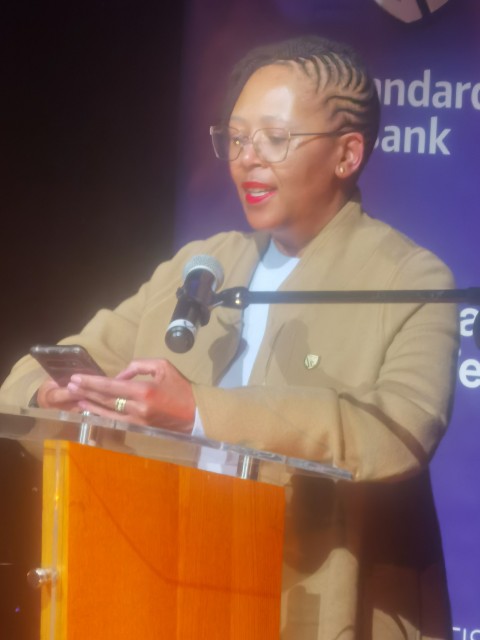
And because the book is partly personal as well as dealing with this broader issue in society of absentee fathers, Sekgothe admits to initially struggling to put pen to paper as you can imagine how close the issues are to him. It must have felt like dealing with one’s own demons that are eventually fighting to come out of the closet where they were ensconced for a long time.
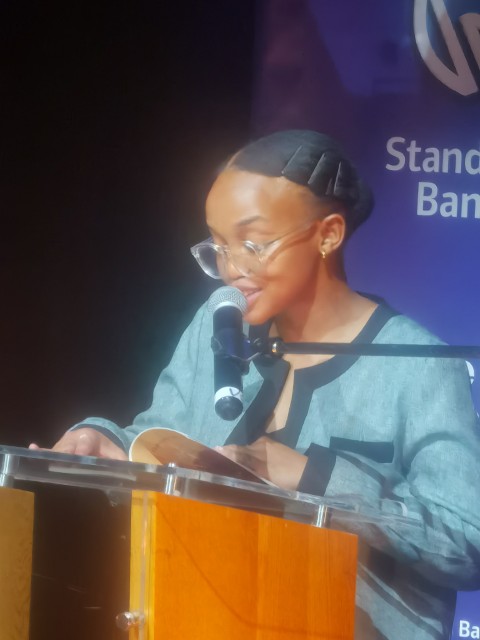
In the Foreword Tseliso Monageng describes the book as follows: “Part Memoir, part memoriam, part dialogue with the ghost of the past. Monageng could as well add, if they wanted, that the ghost of the past in both text and the stage play, are haunting the present.
The writer captures that well when he writes in his Writer’s Note: “As with all works that haunt us, I lacked the tools band technique to attempt it for a while until late 2022, when it began announcing itself with greater urgency. Perhaps, I too, was finally ready-in only just. As the world of the work whirled in my mind, I first compelled to share it with a fellow writer.”
.Gabo Legwala is published by diartskopaneng, and book cover design is by Slovo Mamphaga. The book costs R200, and you can check it out at your local bookstore or by ordering directly from the publisher.