






A new book adding new perspectives on Ndebele painting launched in Johannesburg
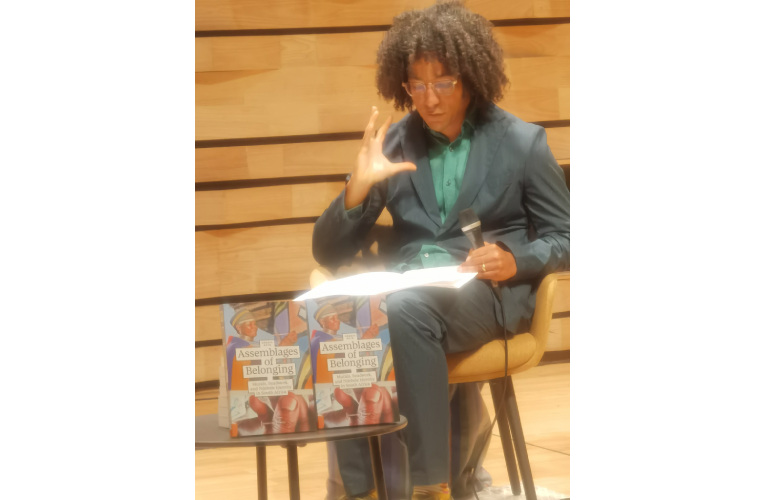
Titled Assemblages of Belonging: Murals, Beadwork, and Ndebele Identity in South Africa, written by Dr Craniv Boyd, published by academic publisher transcript in Germany, and retailing at R600, can now be purchased at your neighbourhood book shop.
By Edward Tsumele, CITYLIFE/ARTS Editor

He scoured archives for two years, including deep into the Wits Art Museum, salvaging long forgotten photographs of the famous Ndebele geometric patterns. On top of this, he mined information that gets deep insight into the Ndebele culture, expressed most vividly and famous through the internationally famous Ndebele painting canon.
The colourful geometric patterns is an art form that has been part and parcel of Ndebele painting as a cultural tradition, passed from mothers to children for decades.
However it is when internationally reputed Ndebele painter Dr Esther Mahlangu, was commissioned to paint the famous BMW that this art form became a globally known art practice, exhibited at prestigious galleries and art fairs around the world, and has made Mahlangu, the most known painter in this tradition. Researchers and journalists have extensively written on this art form ever since.
However, academic Cranic Boyd, born and raised in New York, who has lived and was educated in Berlin, Germany, has deepened scholarship on the study of Ndebele culture in general, and Ndebele painting in particular. He has done extensive interviews with several practitioners with Ndebele painters in their rural settings in Mpumalanga, including interviewing to Dr Esther Mahlangu, to add new perspectives and deepen scholarship on the painting tradition. His insights and incursion that went deep into the cultural practice of painting abstract geometric patterns both as a tradition and artistic and cultural expression by Ndebele women artists, have resulted in a new book, titled Assemblages of Belonging: Murals, Beadwork, and Ndebele Identity in South Africa, which was launched at the Wits Christopher Seabroke Music Hall, in Braamfontein on May 6, 2026.
And so the South African book lovers and art historians have been offered the first opportunity to lay their hands on this new book, which illuminates the cultural and artistic practice of one of South Africa’s distinct ethnic groups –the Ndebele people.
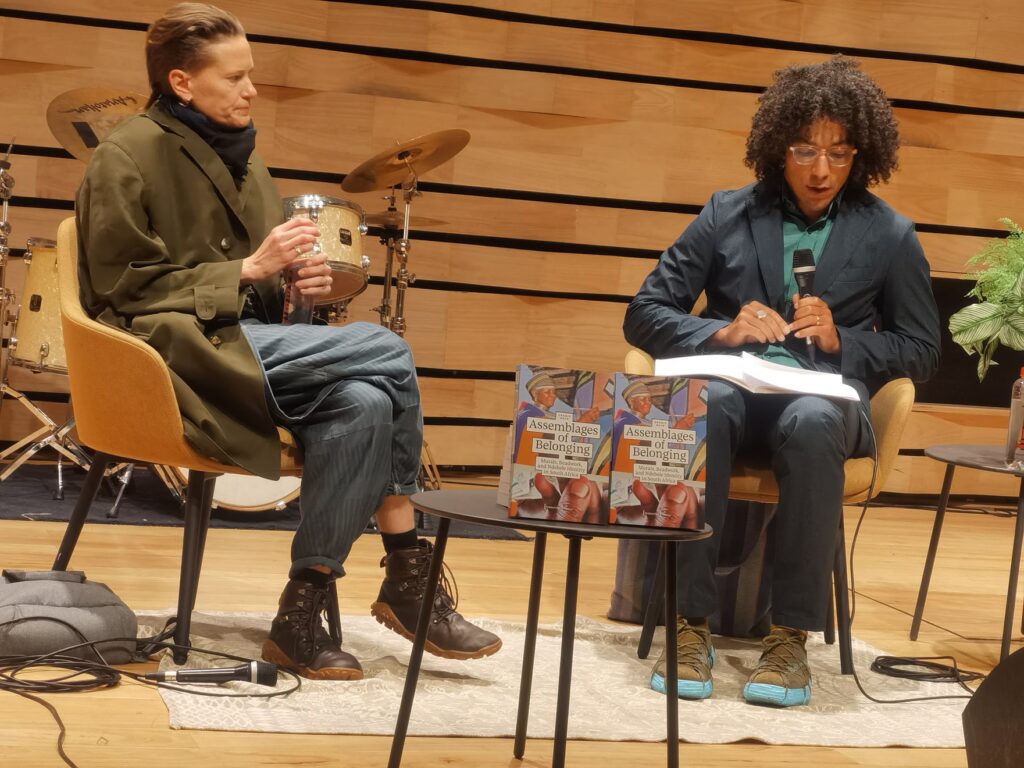
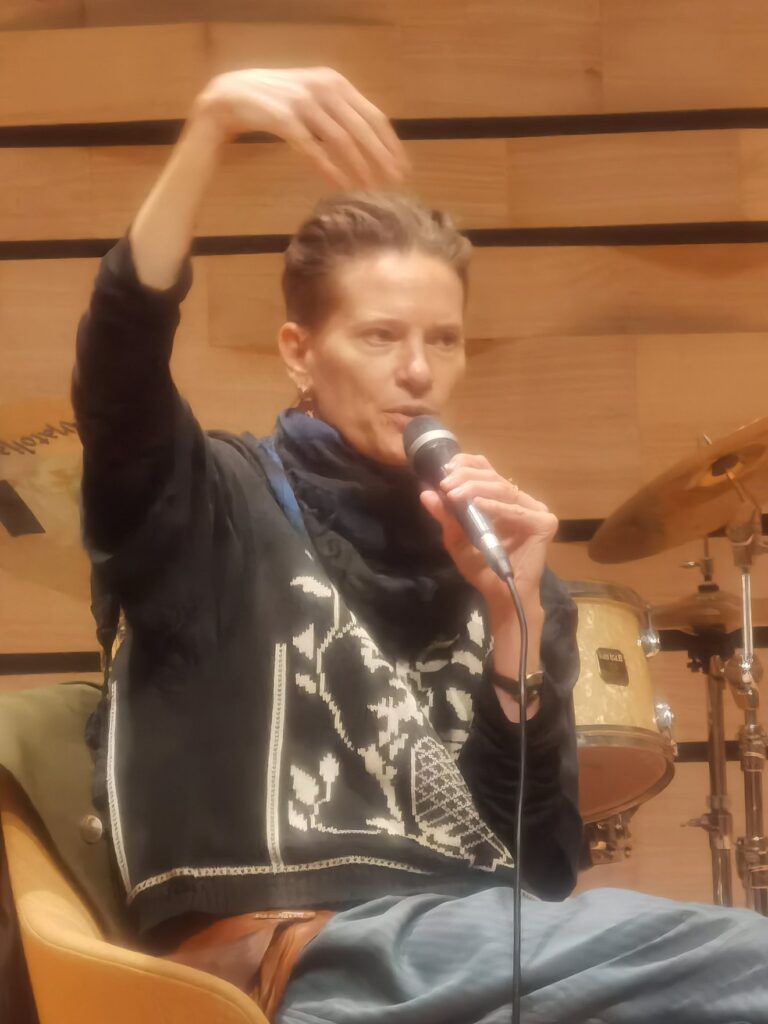
The launch, which was moderated by Bettina Malcom S from Wits School of Arts, was attended, by mainly academics and students from Wits.
“I came across Ndebele art after completing a BA degree. I then researched the practice and found more information about Ndebele art on Wikipedia. I went further with my studies, and completed a master’s degree on the subject. I then decided to expand my knowledge on the subject for my PHD (Doctor of Philosophy Degree), a journey that took me to South Africa.
During this journey, I travelled to South Africa twice –in 20218 and 2019, doing research. I researched about the Ndebele art by digging for information, mainly photographs in archives, and WAM (Wits Art Museum) was helpful,” Boyd told his audience at the launch.
He studied those photographs as well as holding field research with the practitioners in the rural areas of Mpumalanga, and the outcome of that extensive academic endeavour is Assemblages of Belonging: Murals, Beadwork, and Ndebele Identity in South Africa published by academic publisher transcript in Germany.
Luckily however, there are limited editions that have been shipped to South Africa, having arrived on Thursday, May 6, 2026. The book is available at book shops near you. In Johannesburg the best places to look for this culturally important book, which retails for R600, is The Origins Centre at Wits, Love Books in Melville, Bridge Books in Johannesburg CBD, and David Kruit Books in Parkview, among other book stores.