


The exhibition Assemblies of Community depicts the ordinariness of life in the once violence wracked Thokoza township
Most of the participating photographers are young, daring in creating a new narrative for their township, a new narrative that is a far departure from the war wretched lives of their parents and grandparents, directly affected by the violence of the early 1990s.
By Edward Tsumele, CITYLIFE/ARTS Editor
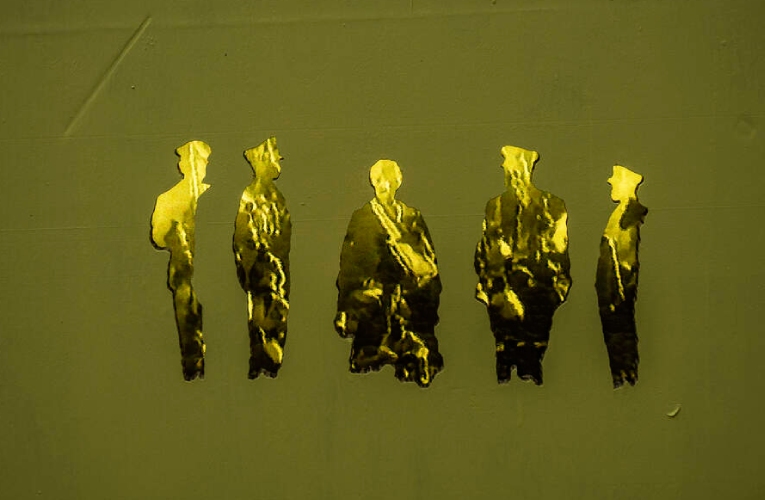
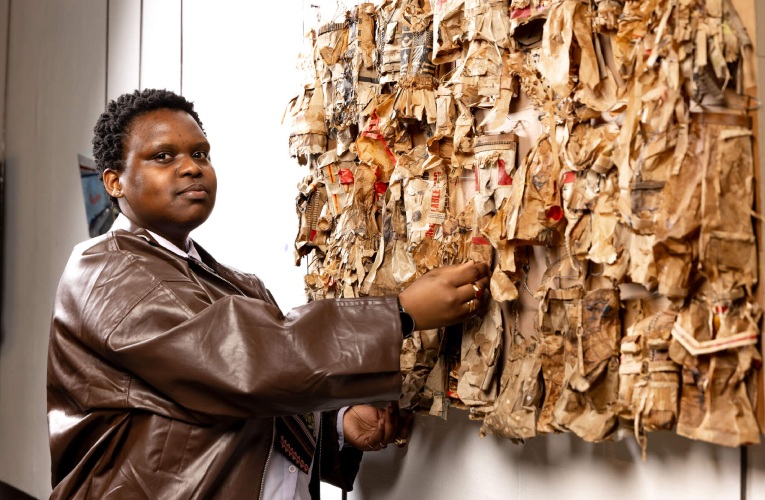
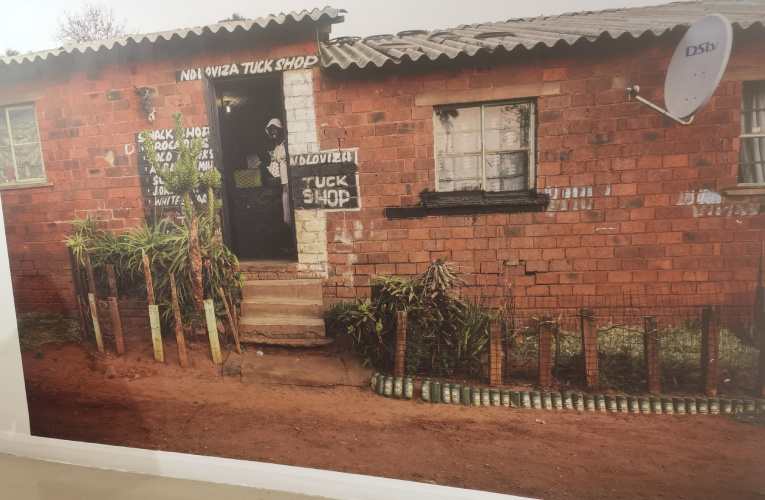
Through this exhibition, Of Soul and Joy: XIV. Assemblies of Community, you will witness photography that captures an ordinary life in a certain township in a powerful way. Life as it is lived in households in the Thokoza township, east of Johannesburg.
The photographs that are on display, are so powerful to the extent that they make you see, feel and be one with that township, once an epicentre of political violence during the dying days of Apartheid. The township was a site of divisive political violence that took place as hostel dwellers, mainly members of the Inkatha Freedom Party, and the township residents, most of them belonging to the African National Congress, went for each other’s throat in this war. The protagonists fiercely fought each other. Killing and maiming each other over politics.
However, those in the know will tell you that this destructive war, hard on black bodies, was not just an ordinary fight over political differences. Rather, it was fuelled by something sinister, a dark force that amplified political differences among blacks into a powerful and destructive force that became known as Black-on-Black violence. Fuelled by an invisible Third Force that left communities divided, scarred and traumatised on both sides.
In post-Apartheid South Africa, historians hold the view that indeed a dark force comprising South Africans from the Apartheid machinery opposed to the country becoming a democracy, were the architects of the violence.
That violence was captured by a dedicated and brave team of photographers working for various news agencies and newspapers. They became known as the Bang Bang Club. They revolutionised political photography, to the extent that a documentary film was even produced about this group of photographers in later years, when the guns had gone silent, calm had retuned and peace, instead of war, had returned and life had almost become normal. Even the scars that are still visible and felt by those affected by that violence, are now fading slowly in post-Apartheid South Africa.
This exhibition aptly titled Assemblies of Community, which opened at the Market Photo Workshop Gallery on Friday, 6 June, 2026 for the public, with a media only preview having taken place the previous day, features the work of a selection of photographers hailing from Thokoza, alongside their mentors’.
Most of the participating photographers are young, daring in creating a new narrative for their township, a new narrative that is a far departure from the violence wracked lives of their parents and grandparents, directly affected by the violence of the early 1990s. That life was well documented by the previous generation of the photographers belonging to the Bang Bang Club.
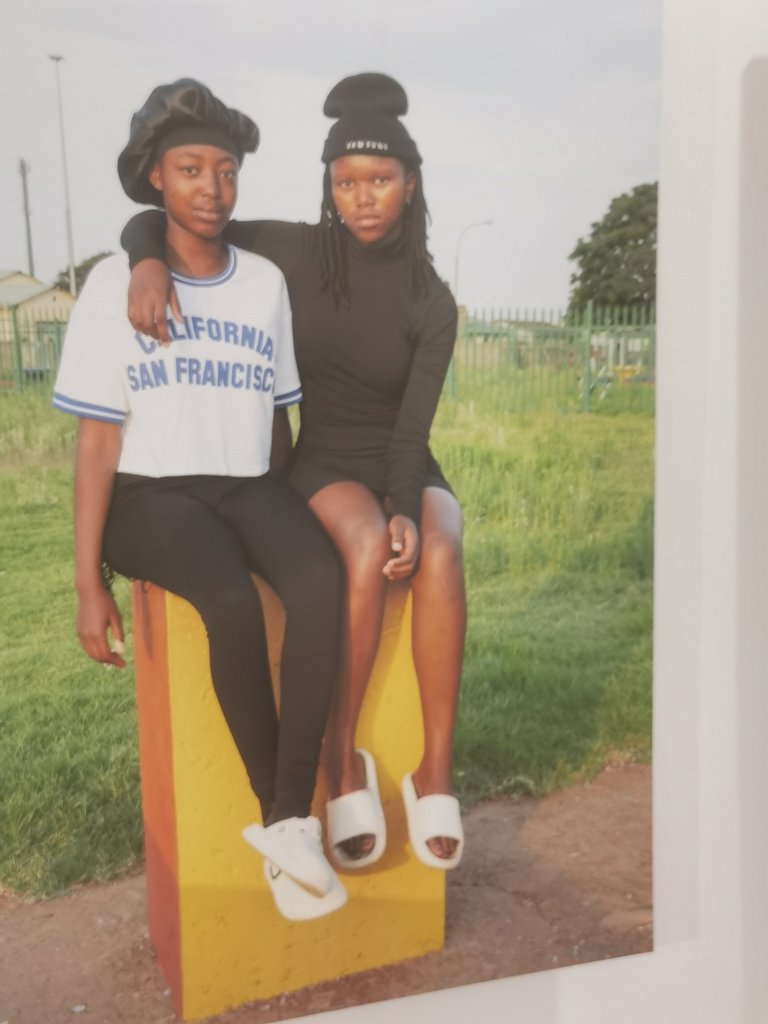
However, these young photographers, have stayed away from following in the footsteps of the previous generation, whose lenses focused on the violence. These young photographers are instead, focussing on documenting the contemporary life of ordinary people living their life in a democracy.
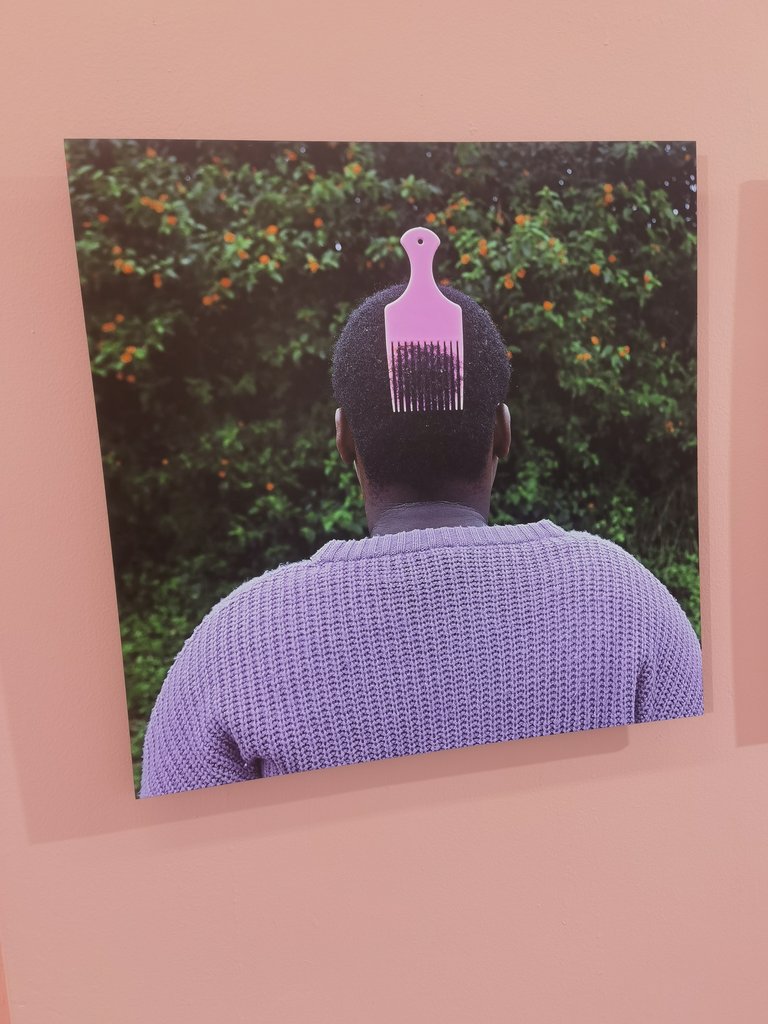
Through this exhibition the participating photographers have captured well the many ways communities come together through family, faith, memory, place, friendship and shared experience.
Together, the works offer a layered view of everyday life from township streets and rural landscapes to family spaces, spiritual gatherings and personal moments of reflection. They show how young photographers are using photography to question belonging and how they might help others see it differently.
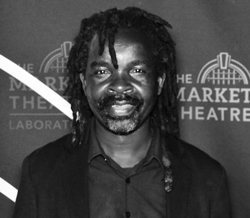
“For us, photography has always been about more than taking pictures. It’s about staying close to the people and places that shape us, and creating images that allow communities to recognise themselves, speak for themselves and be seen with dignity,” says Jabulani Dhlamini, founder and project manager of Of Soul and Joy.
“This exhibition is timed to highlight the role young photographers from spaces like Of Soul and Joy play in reflecting on their communities and telling stories that provoke sobering reflections on social realities.
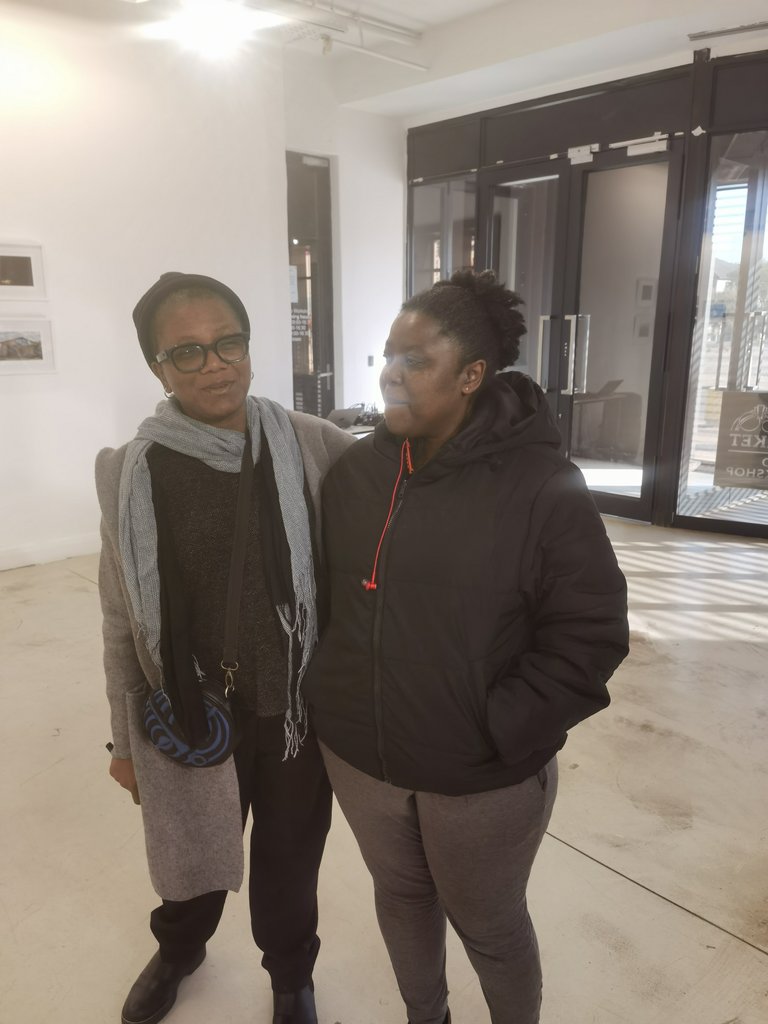
The exhibition amplifies photography as both a voice and a powerful tool for storytelling and empowerment. The curated works capture the lives of ordinary people while drawing attention to the many social ills that communities continue to face and that demand meaningful change,” says Bekie Ntini, Training and Public Engagement Programming Manager at The Market Photo Workshop, who this year have partnered with Of Soul and Joy to put together this exhibition.
It is therefore, too easy to be lazy and conclude that this new generation, many of whom were not even born when the township was under the grip of that violence, are apolitical and a historical. They are not. Contrary to that, the pointing of their cameras’ lenses on the present and the future, instead of the past, is an act of politics. It is defiance, it seems.
They are refusing to inherit the intergenerational trauma that was suffered first by their forebears.
They do this by accepting that Thokoza is not a perfect-township, even in post-Apartheid South Africa at a time when freedom is here. In fact, their township still reels from issues affecting the broader community in South Africa’s townships. Such as poverty, crime and gender based violence, as lingering legacies of Apartheid South Africa. Inequality is still prevalent. Joblessness, especially among the youth, is still a feature of township life.
However, people live there. Making the best out of a situation that is still not ideal. Different from the life lived by those in affluent suburbs of Johannesburg. But, people live their lives nevertheless, as expressed in nuanced ways, such as fashion, particularly among the youth.
All this is demonstrated well through the medium of photography that this group of photographers are using to communicate life in their township to the world out there.
This current crop of photographers are recreating a fresh narrative that does not ignore the past, but focusses on the present and the future, an act that makes a viewer want to question and look again on the past itself, which was once a blight on the lives of people of Thokoza.
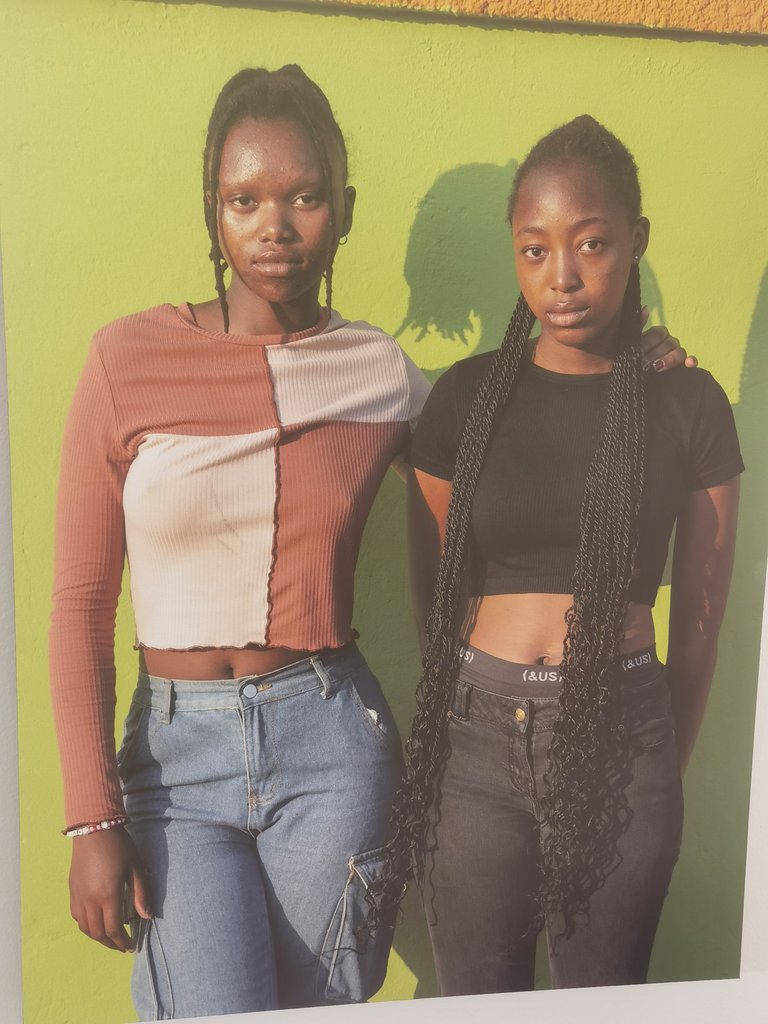
Indeed through this exhibition, these photographers acknowledge the past in a subtle way, by focussing more on the present and a different future they imagine through this visual narrative. Inevitably two things emerge in your mind –one, why do the photographers seem to ignore the terrible past, and two, what is the story being told by Thokoza by these participating photographers.
“Designed as a gathering of many communities brought together through each photographer’s projects, the exhibition is a radical orchestration of images that assemblies the architecture of ‘community’, a breath of evolving organs and fragments of lived experience,” writes Dr Nontobeko Ntombela in her curatorial note. She has been roped in this year to curate Assemblies of Community.
However, the success of these young photographers from Thokoza, was neither a coincidence nor fate. It was well engineered and intentionally executed by Of Soul and Joy, over the past 13 years, founded and funded by the French. Through this organisation, French money was put into good use over the years, training young people in Thokoza, giving them photography skills from young age up.
Now in its fourteenth year, Of Soul and Joy continues to grow from its home at Buhlebuzile Secondary School in Thokoza, where it has become a space for learning, mentorship and creative expression through photography.
Some of the photographers that have come through the training programmes run by Of Soul and Joy, are now professional photographers, widely exhibiting and winning awards internationally.
Names such as Tshepiso Mazibuko, Sibusiso Bheka and Vuyo Mabheka, exhibit regularly internationally, where their work often receives critical acclaim, to name bust just a few.
This inevitably raises the question of why South Africa does not have similar successful initiatives in the arts, funded by local money from a myriad of government agencies aimed at funding the creative sector. Such as the National Arts Council, National Heritage Council and the National Film and Video Foundation, which annually receive public funds annually to fund the arts, running into hundreds of millions of Rand.
I asked Ntombela’s opinion why despite millions of funds at its and agencies’ disposal, the Department of Sport, Arts and Culture struggles beyond festivals, to show similarly successful arts projects, such as Of Soul and Joy photography initiative.
“Clearly local funders such as the NAC should learn from a project such as Of Soul and Joy. It means that the funding model the government agencies are pursuing is not the right one.
“One glaring mistake they make is that they fund for the short term, not for sustainability. Making sure that the person they fund is able to continue working going forward, looking at the long term sustainability of a funded project. To me, it appears as if, these funding agencies like to fund groups and they do not even look at the impact of the project they fund,” Wits art academic Ntombela told CITYLIFE/ARTS in an interview.
The exhibition features work by photographers from Of Soul and Joy, including Anele Ntshangase, Athenkosi, Fuwe Molefe, Hloni Sigaba, Jabulani Dhlamini, Life Ngubeni, Lunathi Mngxuma, Sibusiso Bheka, Siyabonga Mhlanga, Tadiwa Mkono, Teboho Mabuya, Thandile Zwelibanzi, Vuyo Mabheka, Thembinkosi Hlatshwayo, Xolani Ngubeni and Zwelibanzi Zwane.
It also includes important work from the Merafe Hostel project, developed through the continued efforts of Jabulani Dhlamini, Sibusiso Bheka and Thandile Zwelibanzi. The Merafe Hostel works expand the exhibition’s conversation around community, offering a closer look at a place often spoken about from the outside, but rarely seen through the eyes of the young people who live there.
Exhibition details
Title: Of Soul and Joy: XIV. Assemblies of Community
Public programmes
20 June 2026 Public walkabout and high school day
16 July 2026 A roundtable at the Market Photo Workshop about The Relevance of Photography as a Tool of Social Change in South Africa Today.