


Wits students bring Legendary photographer Ernest’s Cole’s archive into the present through an exhibition
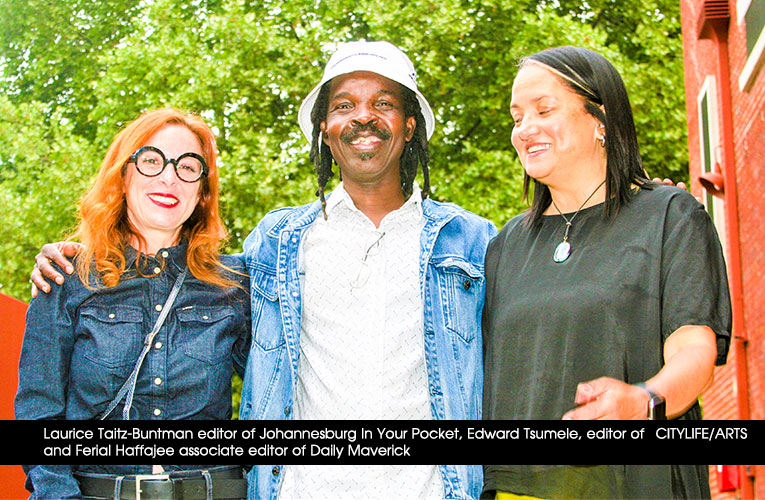
By Edward Tsumele, Winner of the NHC Heritage Journalism Award for 2026
The legacy of Ernest Cole, the South African legendary photographer known for the now famous photography series House of Bondage, which sought to undermine Apartheid race based laws by exposing their absurdity through hard hitting documentary photography, continues to inspire a new generation of curators, scholars and artists.
The latest project that uses his famous photographs as a reference for the group exhibition that include some of Cole’s iconic photographs from Historical Papers Research Unit at Wits, as well as a sonic installation and other art media by participating artists,, is the current exhibition at Goethe Institute in Parkwood, Johannesburg.
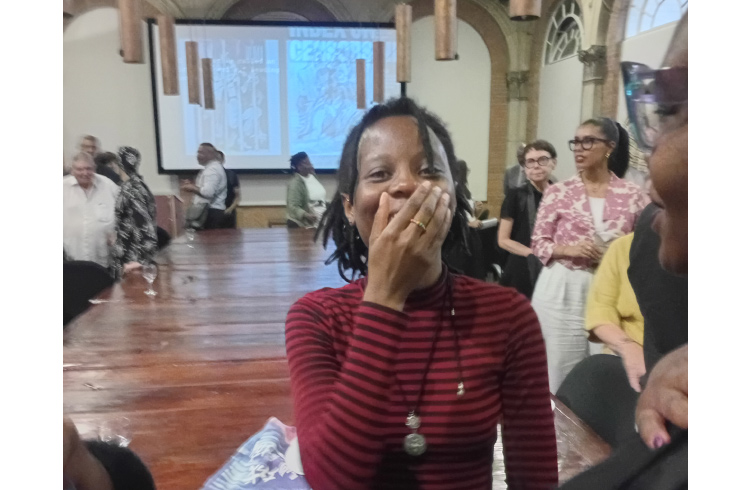
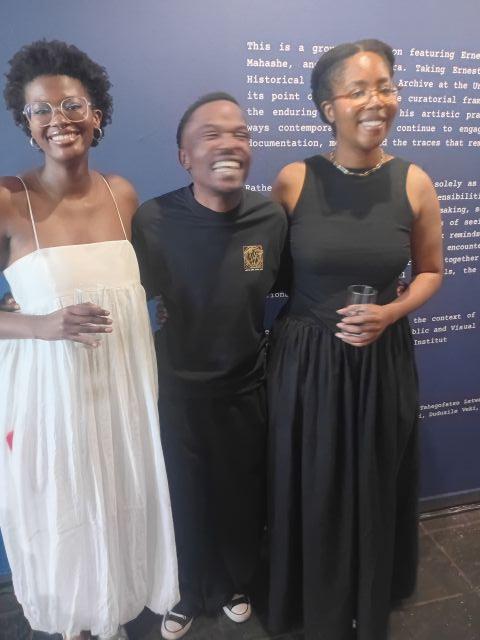
The exhibition opened on Saturday, 31 October 2026. In this exhibition, BA (Hons) Masters curatorial practice studies students from Wits, have reimagined the photography of Cole in post-Apartheid South Africa.
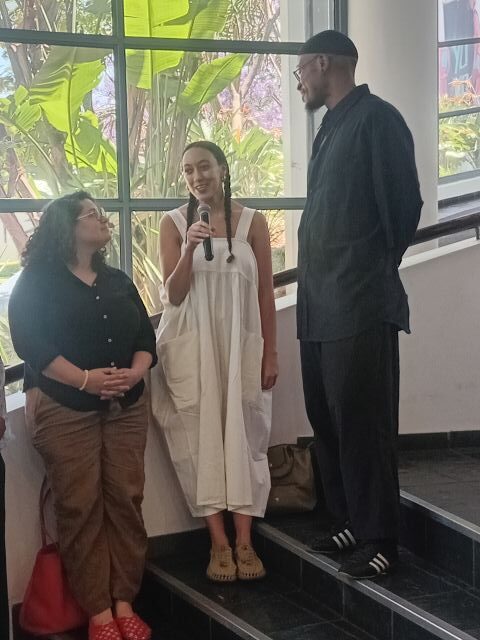
They have used his archive to connect his archives to contemporary understanding of what that archive represents in Post-Apartheid South Africa, in which the social condition that gave rise to the kind of photography he created is absent.
In their reimaginings, the students have created a sense of the now, giving a new meaning to the archives as well as imagining what the future of photography of the kind that Cole created would look like in the absence of the very social condition that motivated him to create those photographs.
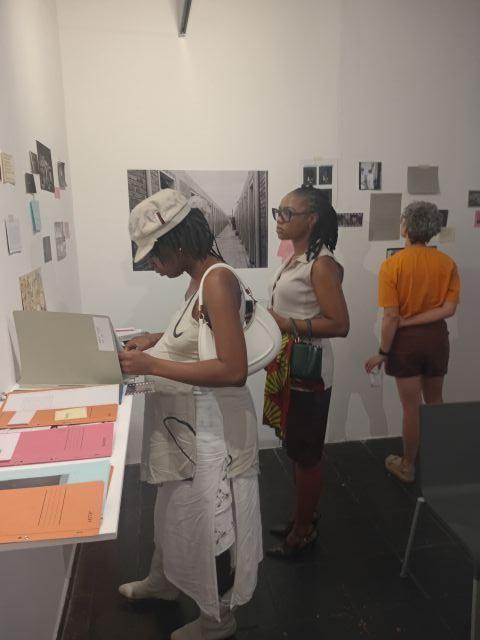
It is was therefore quite a challenging task for the students, who with the guidance of their lecturers and Goethe Institute curators were offered the freedom to create a kind of an exhibition, that does not just display images created by Cole triggered by a particular political and social context that no longer exists in contemporary South Africa with a constitution that has done away with discriminatory laws of the past with a Bill of Rights forming a central part of that.
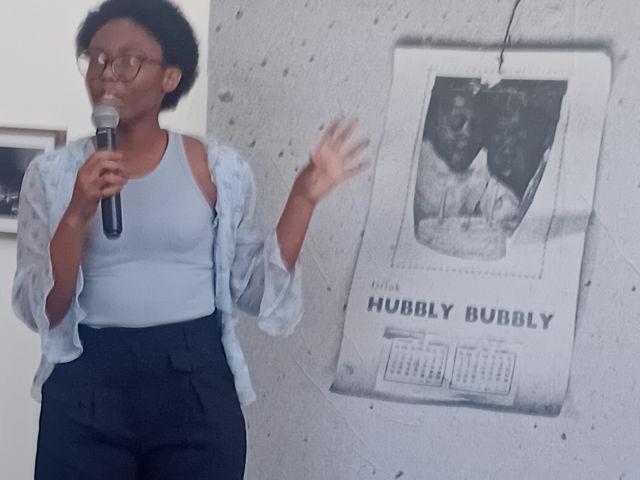
The use of especially the sonic scapes, is however a useful provocation that make the audience to imagine the future of such a rich archive in a democratic South Africa where discriminatory laws have been thrown into the dust bin of history and new freedoms for all have been ushered in.
In their curatorial note accompanying Echo Remains, the curators state the following:
“Rather than revisiting Cole’s work solely as a historical record, The Echo Remains considers the methods and sensibilities that shaped his practice. Through photography, collecting, note-making, sequencing and close attention to everyday life, Cole cultivating ways of seeing that continue to resonate across generations of artists. His work reminds us that images do more than document, they carry echoes of life, encounters, absences, and histories that extend beyond the frame. Bringing together installation, moving image, photography text and archival materials, the exhibition reflects on the relationship between silence and echo.”
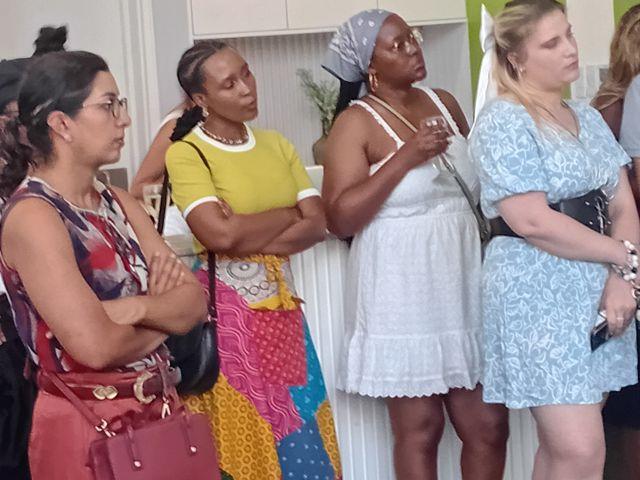
The exhibition is realised within the context of the postgraduate programme in the department of curatorial, public and visual cultures at the University of Witwatersrand the Goethe-Institut.
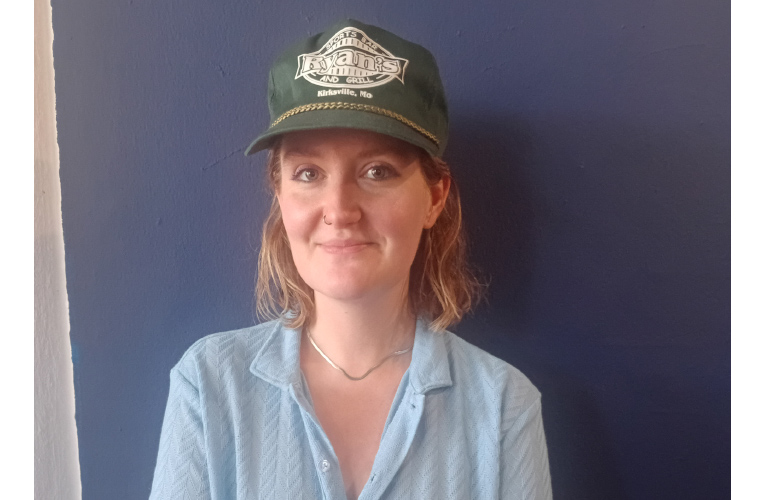
The participating curators are Ash Leigh Cooper, Okuhle Gubuza, Tsegofatso Letwaba, Khulekani Magudulela, Paidamoyo Swaline Mkhonto, Thabang Mthumuni, Duduzile Veki and Zenainde Xaba.
The featured artists are Ernest Cole, Nhavisha Panchia, George Mahashe and Resego Sefora.
.The Echo Remains runs from October 31, 2026 –January 31, 2027 at Goethe-Institut, 119, Jan Smuts Avenue, CNR Newport Road, Parkwood. Tel. (011) 442 3232.