


A date with visual artist Lusanda Ndita’s exhibition Indlela ibomvu, at Gallery MOMO beckons
Through Indlela ibomvu, a compelling body of work, Ndita reflects on memory, migration, and inheritance, drawing from domestic archives, oral histories, and personal narratives. The exhibition traces the journeys of absent paternal figures while reimagining the archive as a living, shifting space, one that holds both presence and absence.
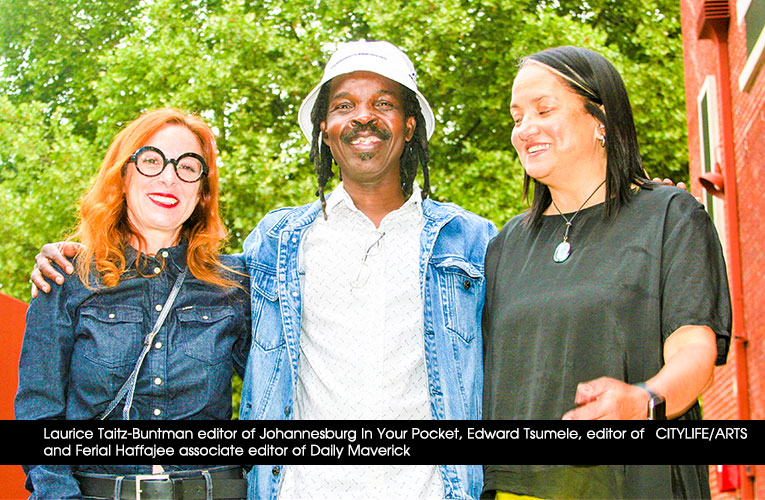
By Edward Tsumele, CITYLIFE/ARTS Editor
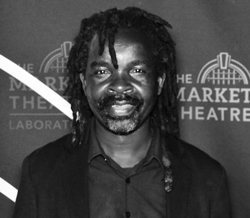
Some-time last year, visual artist Lusanda Ndita, invited me to view his work that was put up at the Apartheid Museum as part of an exhibition commemorating the Truth and Reconciliation Commission’s work. My interest was piqued simply because, here is an artist, chosen ahead of several visual art talent in the country to exhibit his work commemorating an important event about a very important commission.
The commission was created to bring closure to families of those killed during the struggle against apartheid by granting amnesty from prosecution, to those involved, on condition that they reveal everything about their involvement. At the same time, the families of the victims were promised compensation by government. The question of whether or not, the TRC fulfilled its mission, is a debate for another day.
However, when Ndita invited me to go and see the exhibition, I immediately got interested to go and view this exhibition. Anyway, life happened and I could not go.
Another reason why I felt I needed to go view that exhibition, is the fact that Ndita created that body of work after coming back from Paris, and therefore, having been in France for three months, as the winner of the prestigious ABSA L’Atelier Gerard Sekoto Prize, meant that he had spent three months thinking of new ideas, creating, as well as of course enjoying French Culture and life. That must have injected a new energy and impetus in his art practice. I imagined how his creative mind must have been shaped by that experience. Inspired by Paris’ laid back culture, laid back café culture. Observing for example, how especially female Parisians can spend hours, in a pavement cafe chatting to each other, while enjoying coffee. I personally was struck by that street café culture when I visited Paris 26 years ago, being on holiday.
Despite the limitation of language, I imagined that that kind of set up, the laid back coffee society culture, must have done something positive to the artist’s creative mind. It therefore, made sense for me to want to see his exhibition. This is especially after Ndita must have been able to look introspectively into his creative process in a city generally admired for the value it places on its culture. After all, creatives tend to work better when they are away from home. Away from their home country, and having less pressure of the demands of life. Such as worrying about bills. Residencies after all are meant to give an artist space to think and create, withut the pressure of the daily grind.
Ndita was in that country on a three month residency as a result of getting the Gerard Sekoto Prize in 2024. It is one of the most sought after categories of the Absa L’Átelier Awards. The Gerard Sekoto Award is awarded annually to a South African emerging artist. It is sponsored by the French Institute of South Africa (IFAS) and is hosted by Absa. The award has been created to celebrate the life and times of the late South African painter Gerad Sekoto, who left South Africa in 1947, going to exile, via England. Though he struggled in his lifetime, his body of work in circulation globally, is much sought after by collectors today, doing extremely well on the secondary market.
But then, it happened this week-another opportunity to view and engage with Ndita’s work, when I received an invitation from Absa to attend the VIP night on Friday, June 12, 2026, at Gallery MOMO in Parktown North. This is the opportunity I in fact, had been waiting for the longest of time, to engage with Ndita’s work.
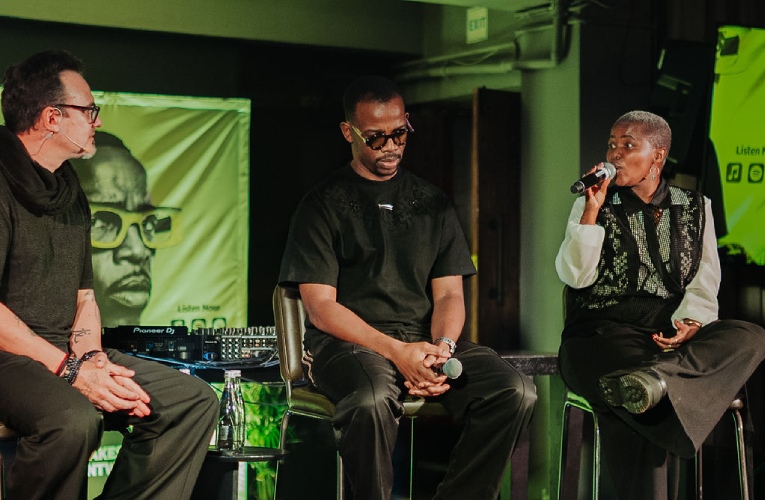
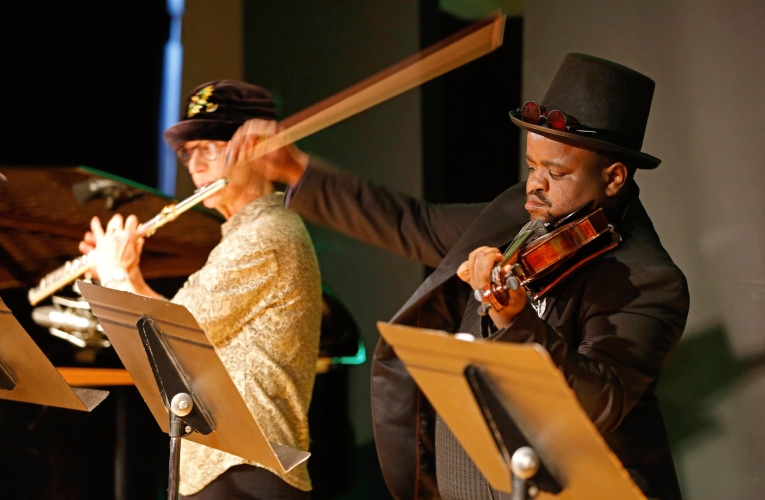
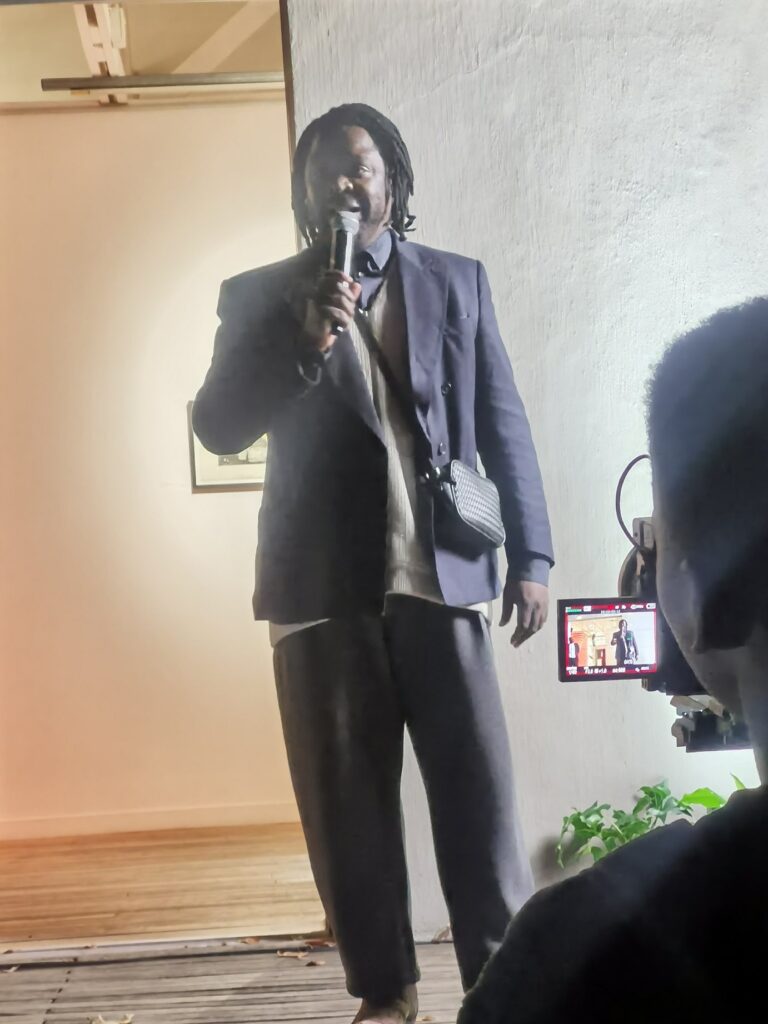
The VIP event, which preceded the public opening the following day, Saturday, 13, June, 2026, indeed looked and felt like a VIP event. Both the suits and the artist types that cracked the invite, mingled, admired the works on the walls, and were well looked after by the organisers. There was a drinks galore. The food was sumptuous and the music performed by a live band, sealed a memorable evening of thought provoking art engagement. The experience was as immersive as it was relaxed.
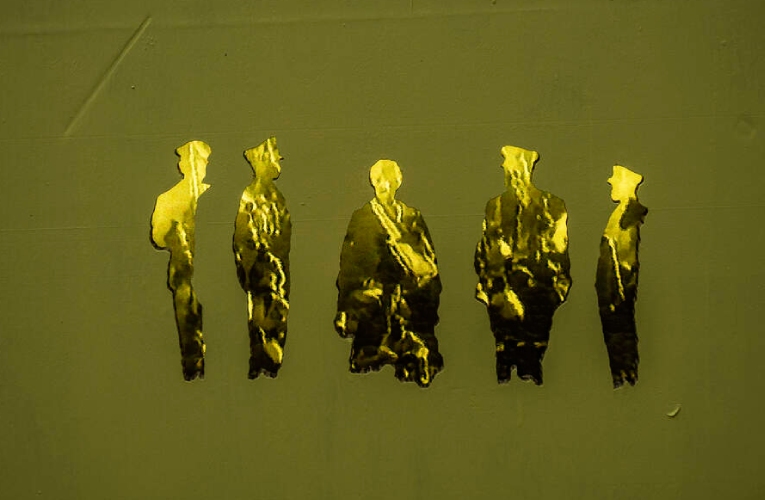
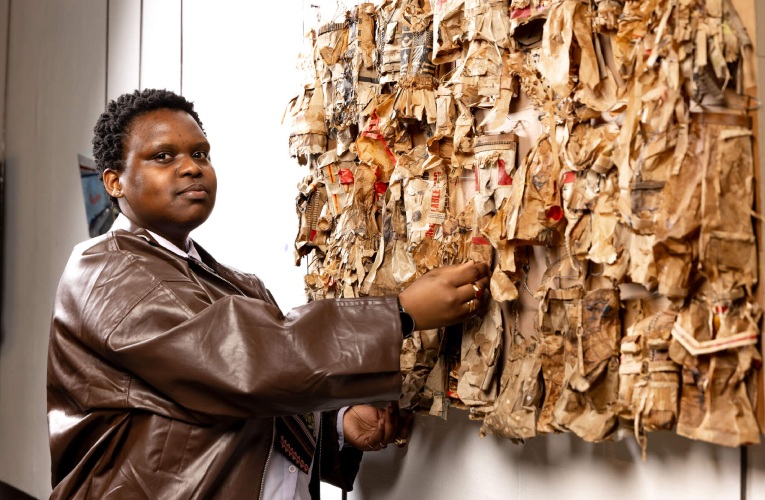
Essentially a photographer trained at the Market Photo Workshop, Ndita has chosen the medium of art photography to create narratives. Through this exhibition, he tells various stories inspired by the role of memory in human existence and interaction. In this exhibition, he has relied on family archives in the form of photographs of family members that he has dug up, adding other artistic layers, in the process complicating them.
Ndita has successfully transformed what was originally ordinarily portraits, into object that meaningfully engage with an inquiring mind, enabling a viewer to instead of seeing the work as just photographs and old newspapers that have been collaged haphazardly, but view the finished object as carrying important narratives of not only the life lived by the people in these portraits, but also adding a layer of South African life in a particular period.
Through this exhibition, Ndita has proven the fact that indeed, archives are not about things that happened in the past, but can be brought to life by an innovative artist, to depict the present and make one imagine what the future will look like. And so, archives are not only a recording of things and people that are located in the past, but are also about the present and offer an opportunity to see the future. It is however, so, if such archives are in the hands of a perceptive artist, such as Ndita has demonstrated through this exhibition.
Through Indlela ibomvu, a compelling body of work, Ndita reflects on memory, migration, and inheritance, drawing from domestic archives, oral histories, and personal narratives. The exhibition traces the journeys of absent paternal figures while reimagining the archive as a living, shifting space, one that holds both presence and absence.
Working across photography, printmaking, and collage, the artist engages with fragmentation and reconstruction, presenting images that unfold as accumulating stories. Through this process, Ndita invites viewers to consider how memory is shaped, carried, and transformed across generations.
Ndita’s solo body of work and his deeply personal exploration of identity, lineage, and becoming in this thoughtfully curated exhibition, makes a powerful statement about the artist’s arrival on the art scene as one of the significant emerging visual talent, poised to make an impact on the contemporary art scene in future.
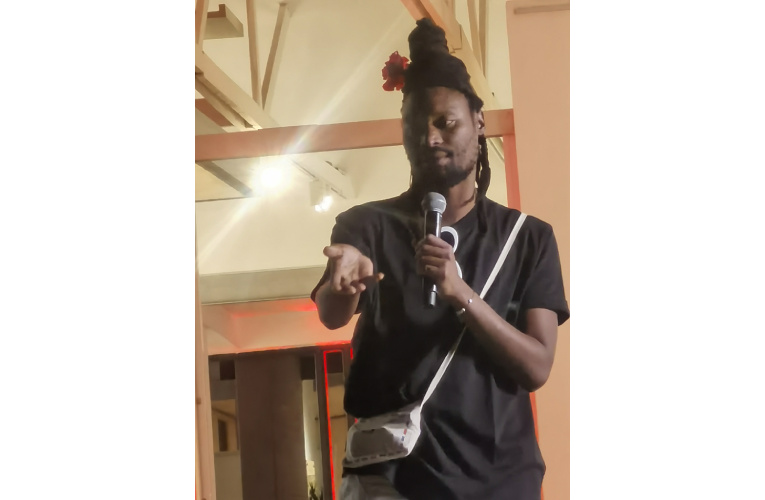
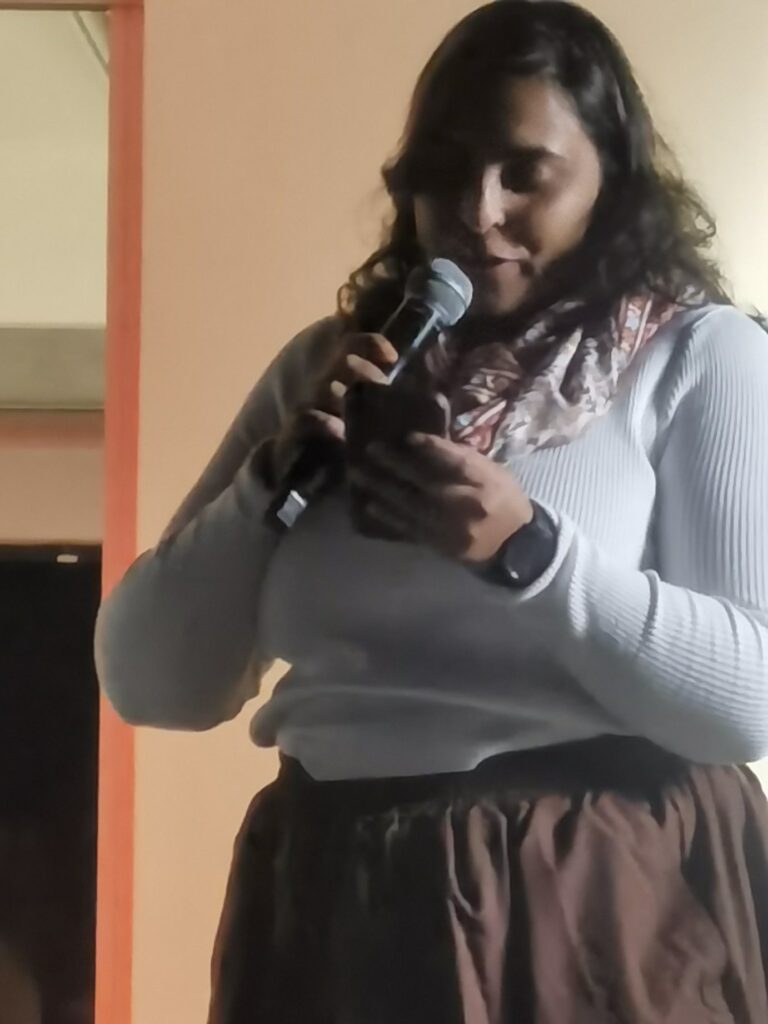
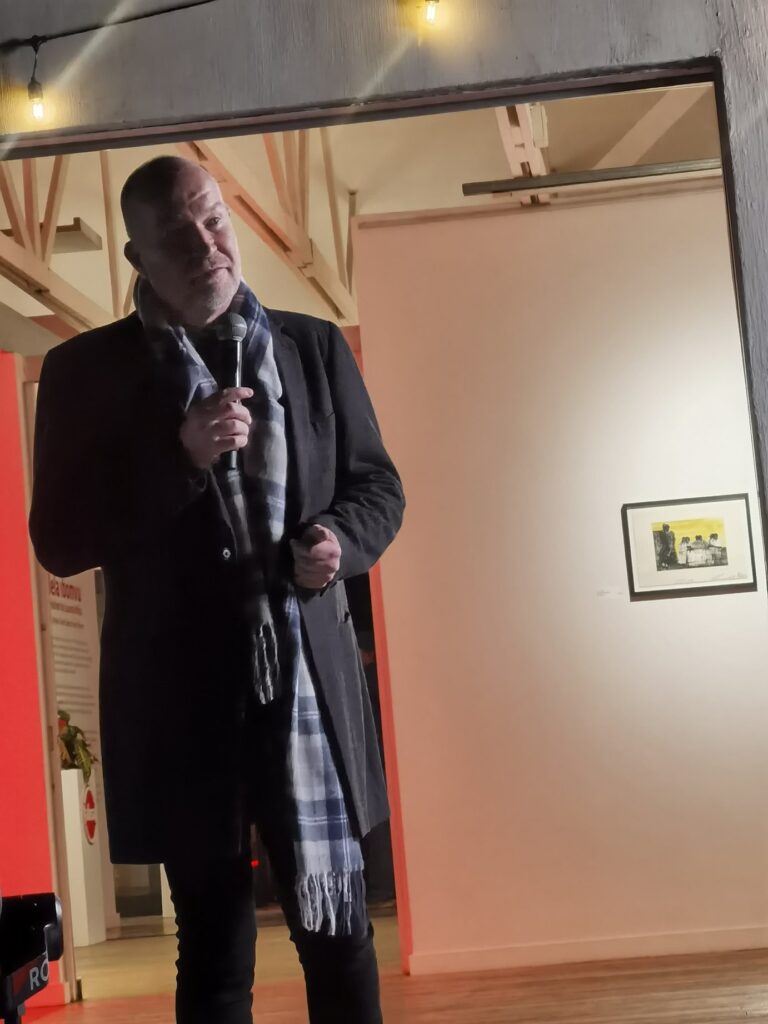
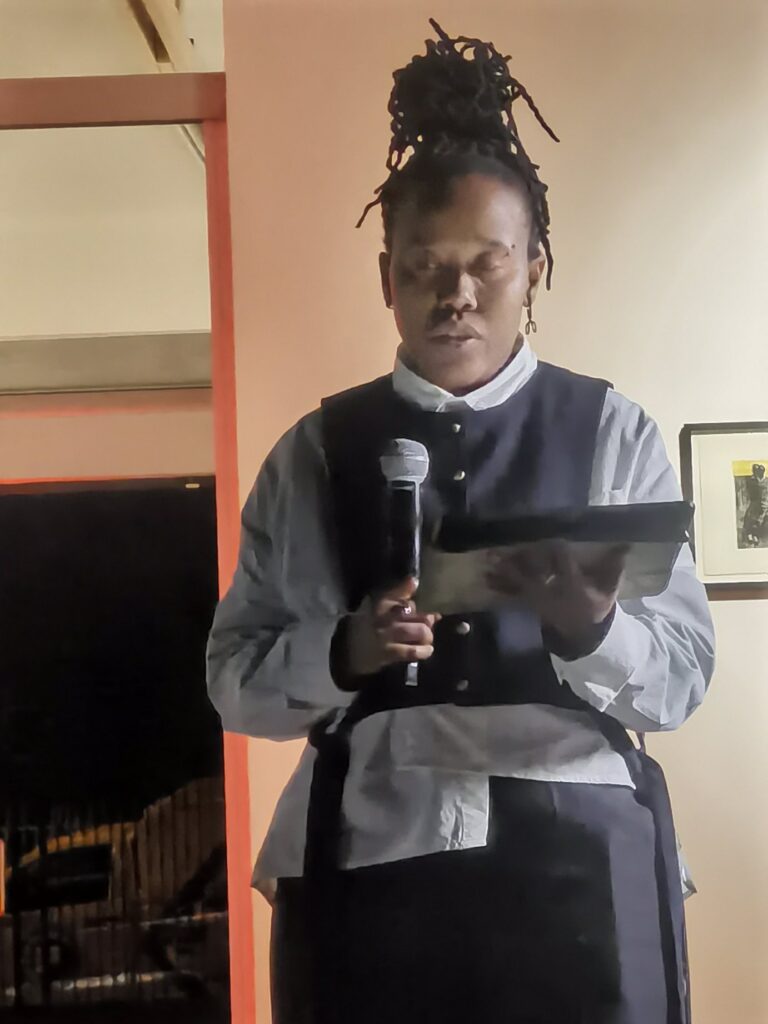
Ndita is indeed a deserving winner, and the admiration for the artist and his art practice expressed by the speakers on the evening, were not exaggerated gestures of appreciation and politeness. They was real. Those who spoke include, Aysha Waja, IFAS Cultural Officer, Dr. Paul Bayliss, Senior Specialist: Art & Museum Curator, at Absa, Khumo Sebambo, Absa Assistant Art Curator, Odysseus, a Director at Gallery MOMO.
Organised by Absa, in partnership with SANAVA, IFAS, and Gallery MOMO, Indlela Ibomvu is on at Gallery MOMO 52 7th Avenue, Johannesburg, 13 June-11 July, 2026. Gallery hours are 9am-5pm, Monday –Saturday. The gallery is closed on Sunday and public holidays.