

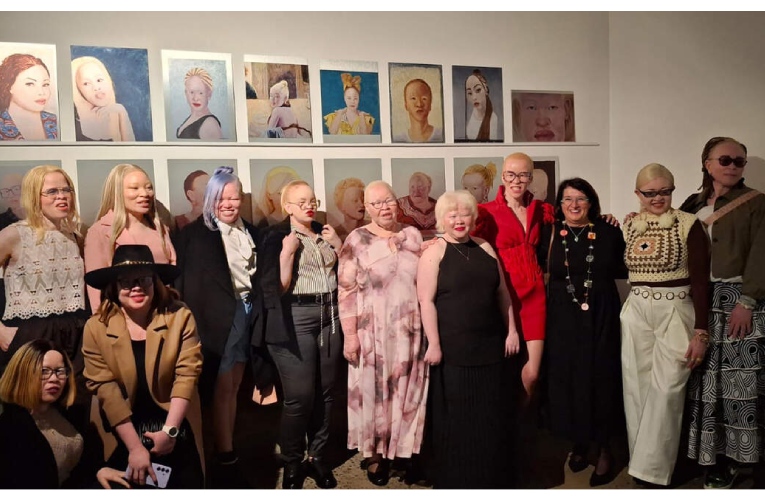
The Vanilla Sisters Lunch Club: Our Portraits, our Stories exhibition, a portraiture of the complex lives of people living with albinism
You see, this exhibition 16 September 2026 – 21 November 2026, is a special one, as it deals with a condition affecting a number of individuals in society, and it is a significant number.
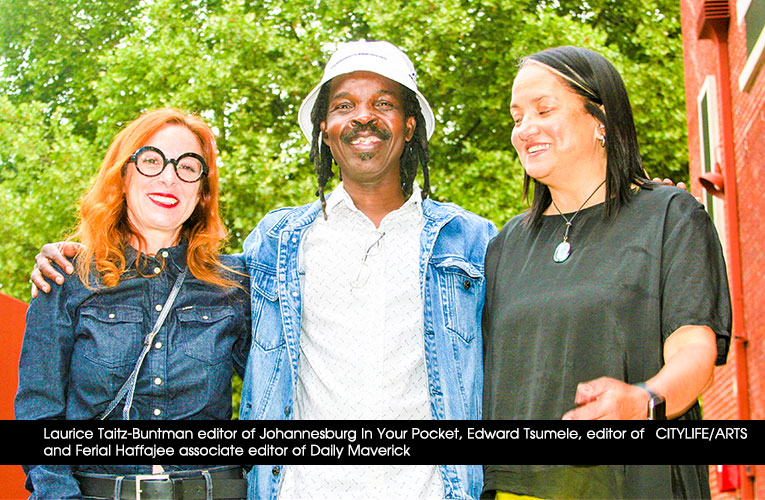
By Edward Tsumele, CITYLIFE/ARTS Editor
When I was invited to the opening of this exhibition, I was really excited and looked forward to it.
This is because it is not an everyday experience where real life experiences of others collide with art, giving viewers authentic stories about the life experiences of others. This is a privileged space where ‘outsiders’ are invited into the inner circles of the ‘others’ to have an insight into what others think and experience on a daily basis.
But then, to my sadness, I quickly checked my diary and got disappointed. This is because I had already committed to another appointment on the same day, and both events were taking place exactly at the same time. I did the honourable thing, reluctantly though, to honour the first event I had committed to.
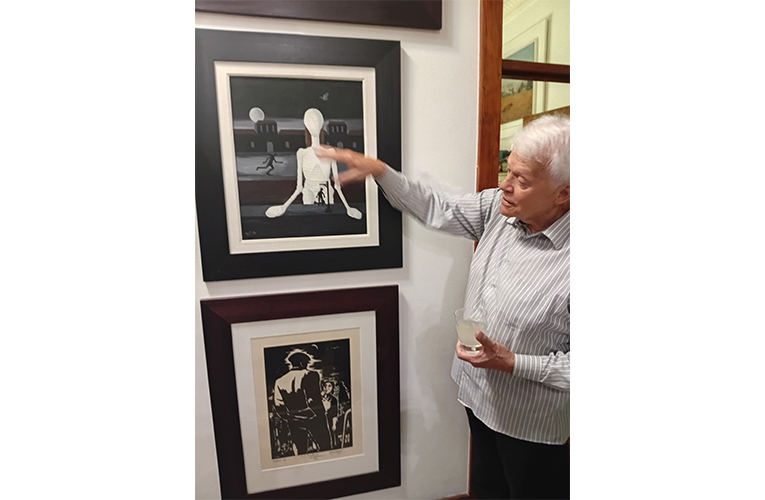
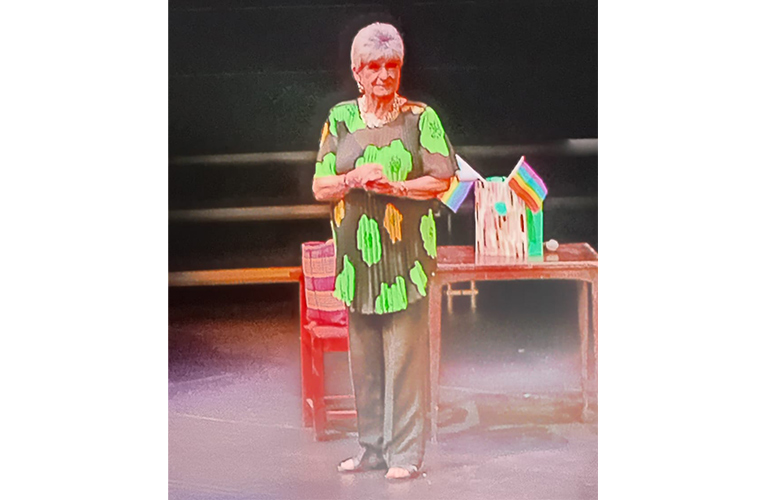
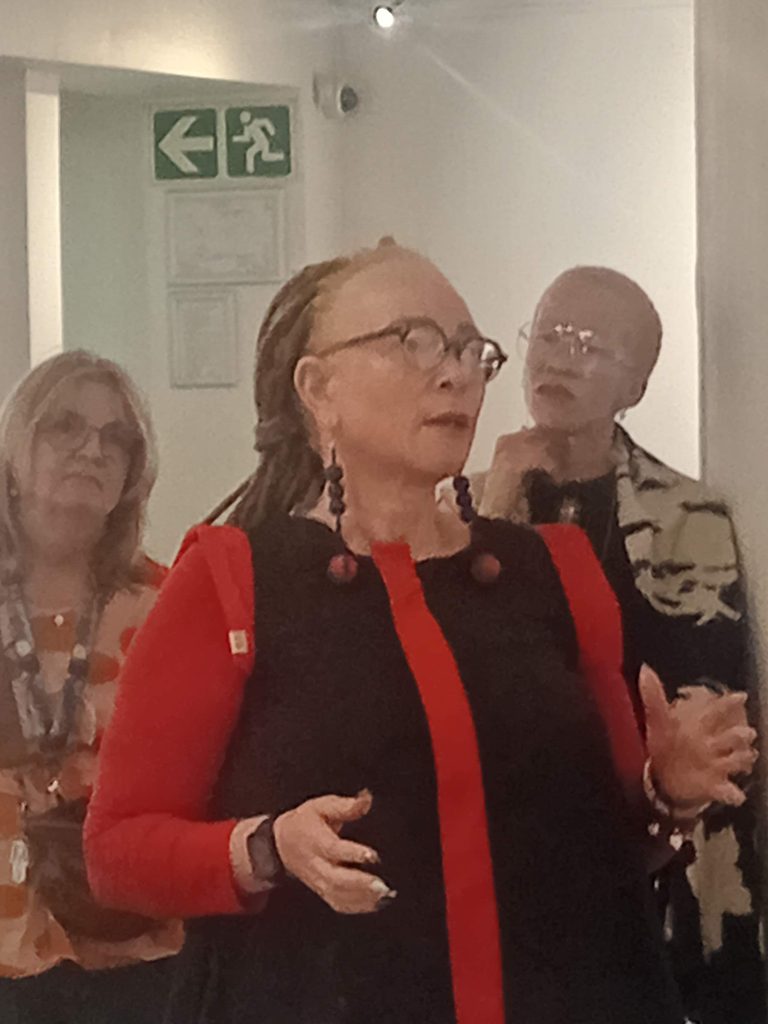
Luckily for me, Wits Art Museum extended three days later, yet another invitation for a walkabout through The Vanilla Sisters Lunch Club: Our Portraits our Stories with artist Véronique Hoog. That took place on September 19, 2026. And I was glad that this time around, I made it to the show.
You see, this exhibition is a special one, as it deals with a condition affecting a number of individuals in society, and it is a significant number. We as the majority in society, however we have a role to play, in making that section of society, feel wanted, and part of the larger society. But in a number of cases, we fail. Sometimes miserably. Posing an existential threat to the minority among us, due to our actions. Our attitude, and even sadly through superstition.
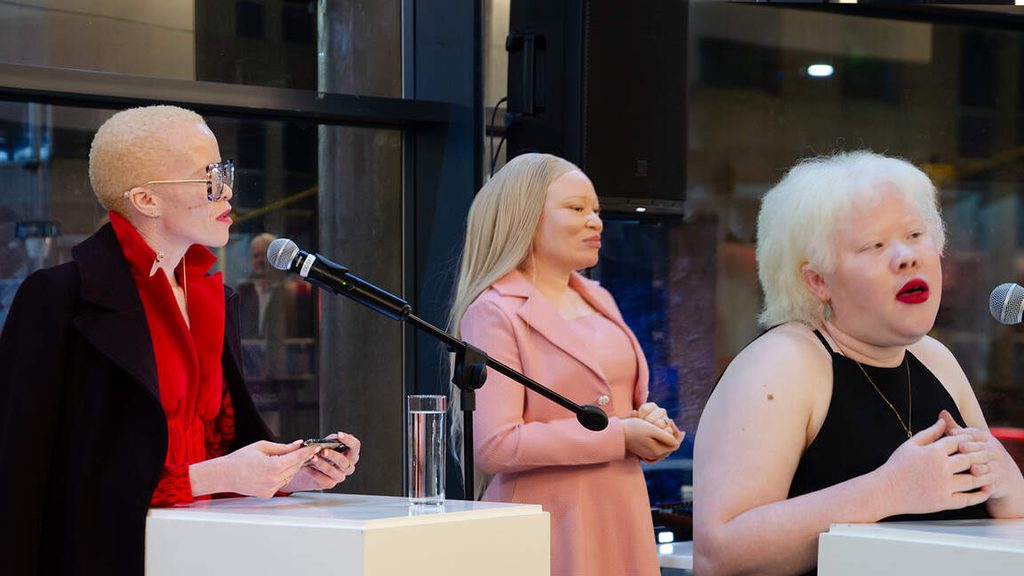
The invitation indicated that we were going to hear directly from the artist Véronique as she was going to share more about her practice, the making of the exhibition, and the stories behind the works.
It turned out that these are real stories of a significant population in southern Africa, who live with the condition of albinism. In terms of the South African legal definition this condition is defined as a disability. Just like other physical disabilities. Nothing else. This is because, among other issues, and they are several, some members of this community, have on a daily basis, deal with visual impairment as well as a skin condition that is highly sensitive to light from the sun.
These are some of the issues people living with albinism have to grapple with. But, these are certainly not the only challenges. The biggest challenge is the societal attitudes from where people living with albinism come from. There is so much prejudice and lack of empathy for people living with albinism. And these are not just issues of prejudice. Where it gets dangerous is when superstition, greed and ignorance intersect, creating a dangerous situation, in which in some cases, the lives of people with albinism face real threat of harm, by the very same society expected to protect them from such harm.
This reminds me of a show I never fail to attend whenever it opens at a theatre in Gauteng, if I am around, titled Mama I want the Black that you are, written and produced by the father and son duo of Arthur Molepo and Mpho Molepo.
It is a painful show to watch, but very necessary to watch as it gets right into the heart of why society must shift its attitude towards people living with albinism. If I propose that there is no way you can come out of that show struggling to contain yourself, it would not be an exaggeration. I first saw that show in 2021, and at the time, this is what I wrote, and my thinking around the attitude society displays towards people living with albinism, has not changed as they still face the same challenges in 2026:
“By now, we should all have heard horror stories that include violence, extreme prejudice and discrimination, meted out by society to those that have the condition of albinism in South Africa, and certainly the rest of the African continent.
“We should also have heard how sometimes and tragically close family members out of desire for capital accumulation and superstition go to the extent of killing those in the family that have the Albinism condition in the mistaken belief that they will become rich by using their blood for muti purposes.
These are real horrible stories that should shame all of us in society and should propel us to act and protect people with Albinism.”
I digress, and therefore, see the rest of what I wrote at the time about that show here: Thespians Mpho and Arthur Molepo gift Filadefia School with screening of play Mama I want the Black that you Are – CityLife Arts
However, this exhibition is not only about the challenges people who live with albinism face. There are also heart-warming stories emanating from this exhibition.
“I worked on this series for 13 years. It was after I noticed people who were different coming to Carlton Centre where I used to work. I befriended them out of curiosity and heard their stories. This is when I realised that this is something more in those stories that needed to be excavated. What then happened is that I got introduced to more people living with this condition- women.
In no time, a community was formed where we would have lunch together and talk about intimate issues. This is how the The Vanilla Sisters Lunch Club was formed,” explained Véronique.
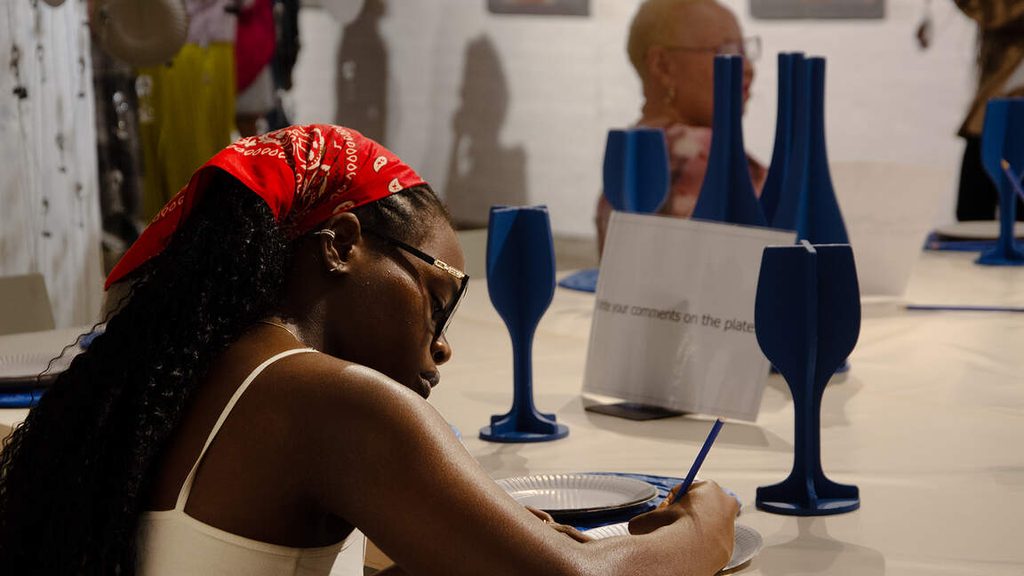
At the walkabout, we also got to hear other heart-warming stories, for example, how against all odds, an IT specialist who lives with albinism, was able to get a driver’s license.
“I had been told that there is no way I was going to get a driver’s license because of the difficulty associated with my poor eyesight. But I did, and I drive just as carefully as anyone else on the road,” she said.
One of the women whose portraits are part of this exhibition, a university student, said that at the beginning it was difficult to attend lectures that were presented on a screen as she could not see anything. However, she has found a way around that by for example, sharing notes with others.
One other woman, part of this portraiture exhibition, explained that she did not experience much prejudice in her township in Pretoria, simply because her friends, who understood her condition as they walked to school, constantly protected her from street bullies who out of ignorance, would refer to her as mlungu (white person.)
“The other thing is that coming from a prominent family in society, with a father who is a community leader, that privilege protected me,” she said.
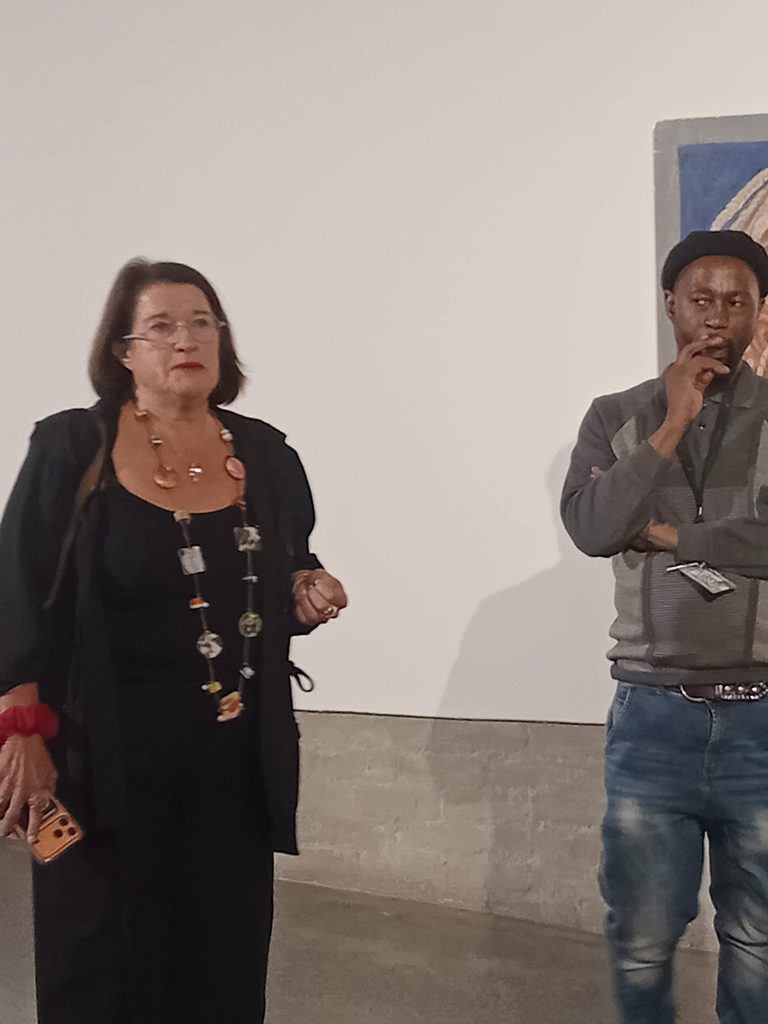
However, it must be said that although prejudice still exists in society, especially in isolated rural areas, people with albinism continue to undermine the negative connotation of their condition by achieving in society, whether through education, or climbing the corporate ladder.
And also, those who are part of this exhibition, all seem to be doing well, and I must say, their postures seem to point to the fact that these are super confident people who have risen above the unhelpful attitude of the general public towards them because of their condition, to achieve great things in their professional lives.
And also, their dress sense appears to be out of a fashion magazine. This is not an exaggeration. Looking at the portraits on display, it is clear that the artist had full co-operation from the people she painted. These portraits show women who are confident, comfortable and secure about who they are and their space in the world.
Some of the women sharing their stories and experiences include Cyril Coetzee who opened the exhibition, Molebo Lekwane, Terry-Ann Adams and Mampo Sethokgwa.
Go visit The Vanilla Sisters Lunch Club: Our Portraits our Stories as it is still on till November 21, 2026 at Wits Art Museum in Braamfontein.
Museum hours: Tuesday – Saturday, 10:00 – 16:00
Entrance is free and all are welcome
Exhibition dates: 16 September 2026 – 21 November 2026.