


This year’s edition of Johannesburg Festival of Women Writers was a resounding success
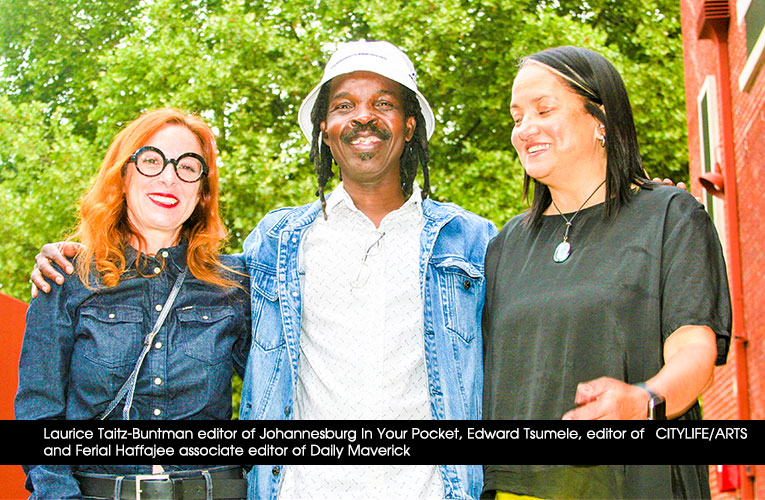
By Edward Tsumele, CITYLIFE/ARTS Editor
One needed to be at University of Johannesburg to remove the doubt they might have that our women folk, particularly black women are somehow more far removed from literature than our women men folk.
The fact is women in this country in general and black women seem to be leading the way when it comes to both creating the kind of literature that makes sense to them, as well as consuming the same.
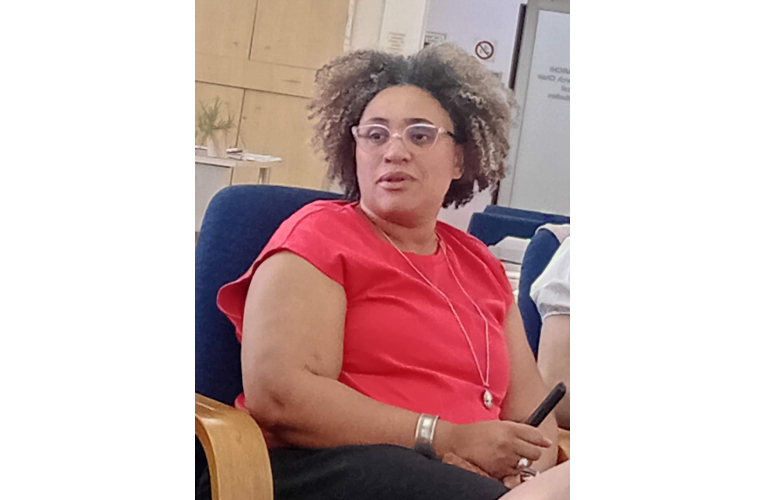
At a casual look at the people who attended the third edition of Johannesburg Festival of Women Writers at University of Johannesburg’s Bunting Campus,on Sunday, March 9, 2025, one could easily tell that women writers as well as women consumers of literature number more than men in this country.
Of course, I know that there is that small matter of the event billed as a women writers’ event, and therefore that may have made some men writers and consumers to feel that it was not meant for them, and therefore may have decided that it was best to stay aware.
The truth however is that even though the males, and rightly so, were made up of women writers, the event since it started has always been inclusive of both men and women writers. I have attended the past two of the past three events, and at no stage did I ever feel that it is event where as a man writer or consumer of literature you were not expected to be there. And rightly so because when it comes to the kind of literature one buys and consumes, it is never about whether or not the writer is a man or woman. It is always about the kind of literature that appeals to you either with regards to the genre or the style of the writer.
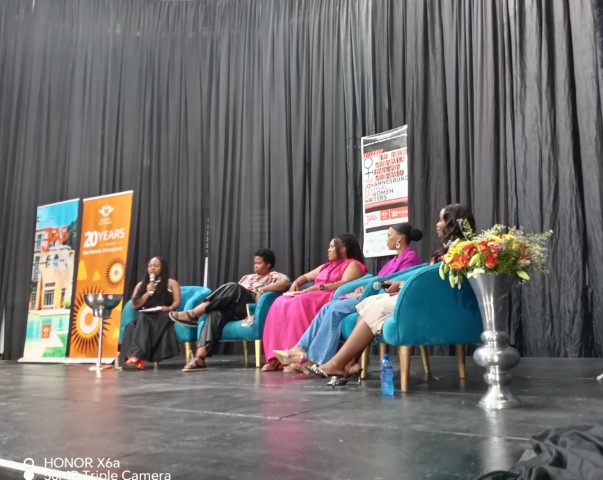
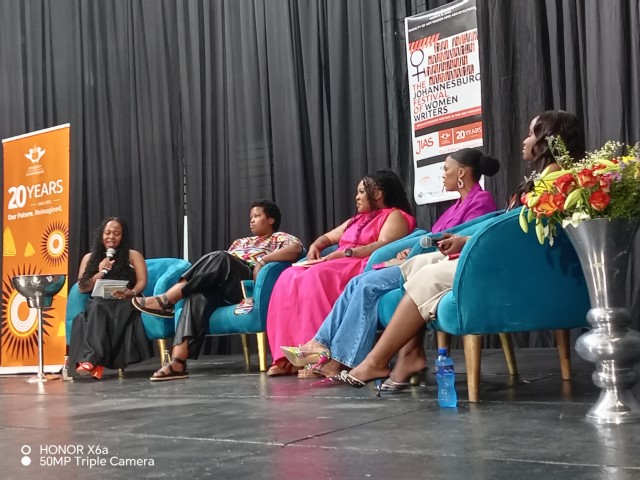
The panelists that were part of this event were as informing as they were articulate about the subjects they spoke about, and whether you were a men or woman writers the information they shared was useful to writers. Clearly former diplomat and turned writer after retirement, Barbara Masekela, the founder and convener of this event, which she has organised successfully in collaboration with Johannesburg Institute of Advanced Study has created something that is definitely filling a gap that till now was not covered by the country’s literary events.
And looking at the number of women writers that every year attend this event either as participants in the various panels, just attendees or both, this is a popular event on the country’s literary calendar.
It is also refreshing to notice that all the sponsors behind this event are companies that have previously not been assorted with literary events, suggesting that literature is starting to attract new sponsors. One of those companies behind the event is Gautrain. In short, this year’s Johannesburg Festival of Women Writers, just like the two editions preceding it was a success.
What I was not sure about though is the idea of having two plenary sessions, one in the morning and the last at the end of the festival. Perhaps in future the organisers must consider having one plenary sessions as having two appeared to be an overload to an audience that had long been exhausted by attending several sessions during the day. This is because after 4pm, a number of attendees instead of waiting for closing plenary sessions were seen leaving, heading out of the venue.