



Please return the iconic Kippie Moeketsi photograph to its rightful place, pleads “grieving” music legend Sipho ‘Hotstix’ Mabuse
By Edward Tsumele, CITYLIFE/ARTS Editor
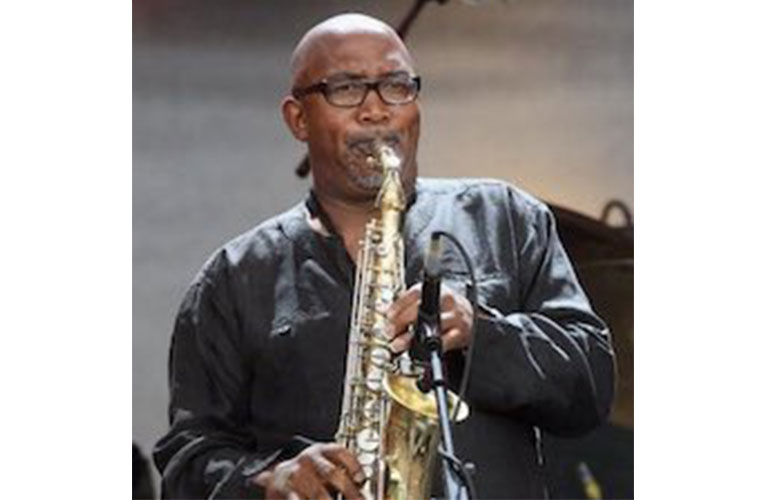
When music legend Sipho “Hotstix” Mabuse came to the rescue of Kippies in Newtown in the 2000s when the famous jazz club faced an uncertain future, threatened by the prospect of closure, this was much a business opportunity as it was to keep the legacy of the late jazz music genius Kippie Moeketsi in the public consciousness.
Part of what he did, was to look for memorabilia associated with the late saxophonist and clarinet player. Her got hold a picture of the saxophonist from the family and hung it up in his establishment. This particular picture carried much value as it immortalized a jazz musician, who mentored many a jazz artist in the country, including discovering the talent of internationally reputed jazz pianist Dollar Brand, now Abdullah Ibrahim and mentoring the likes of other South African jazz, such as Hugh Masekela, Jonas Gwangwa and Caiphus Semenya among others.
And therefore, to honour the name of the highly respected composer and saxophonist, it was important to name a jazz club in his own right int the then culturally vibrant Newtown cultural precinct, right next door to the iconic Market Theatre, where today his statue in a sited posture, attracts curiosity and admiration from the public.
The place indeed opened in the early 2000s met with much excitement by jazz lovers and jazz musicians, first ran by the late prominent cultural figure Arabi Mocheke for sometime before it faced its certain existential crisis before Mabuse took over and saved it.
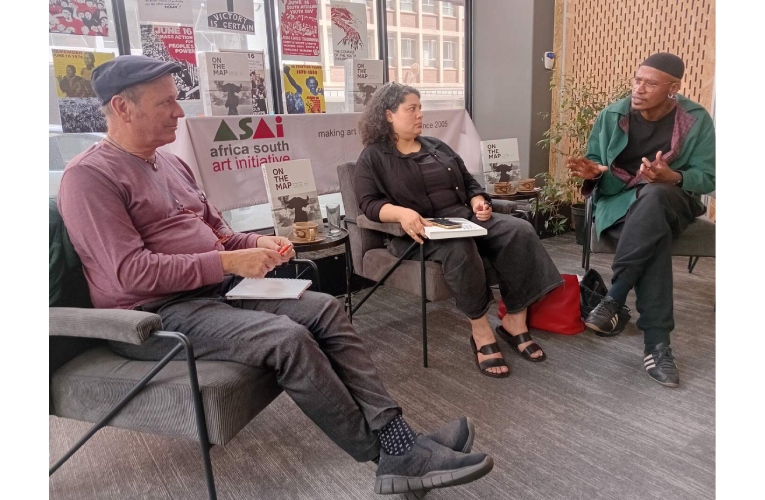
Many a jazz artists performed there, and Mabuse elevated the value of the picture he got from Moeketsi’s family by inviting the jazz artists who performed in his venue to autograph the picture. However, Mabuse is today grieving, an audience who attended a book talk at Kippies, organized by the Market Theatre Foundation on Sunday, July 27, 2025 to mark Moeketsi’s centenary anchored by journalist author of the book from Kippie to Kippie Sam Mathe. The event was titled 100 Years of Kippie Moeketsi: Celebrating a Music Genius and the Father of South African Jazz.
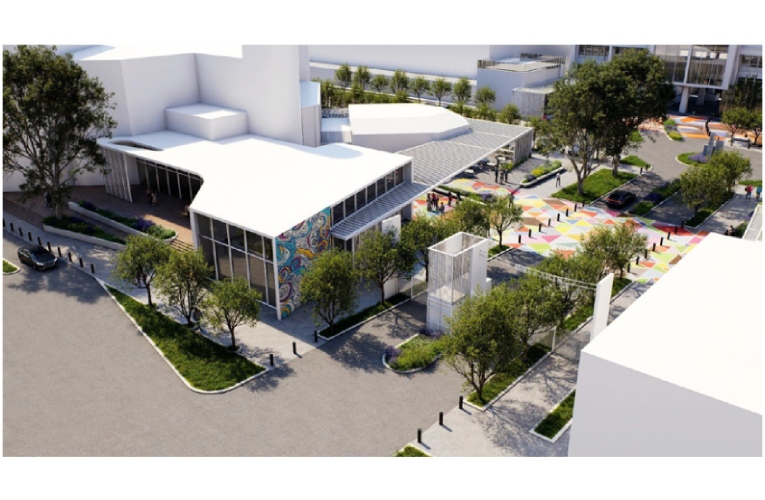
“I am grieving because that photograph, was taken by a mystery person when Kippies was about to be destroyed (to make way for the now rebuilt building structure). That picture is now hanging in someone’s home where it does not belong. It belongs here at Kippies. I am therefore making a public call to that lucky person to bring back the picture. All the musicians who performed in this venue signed on that picture.
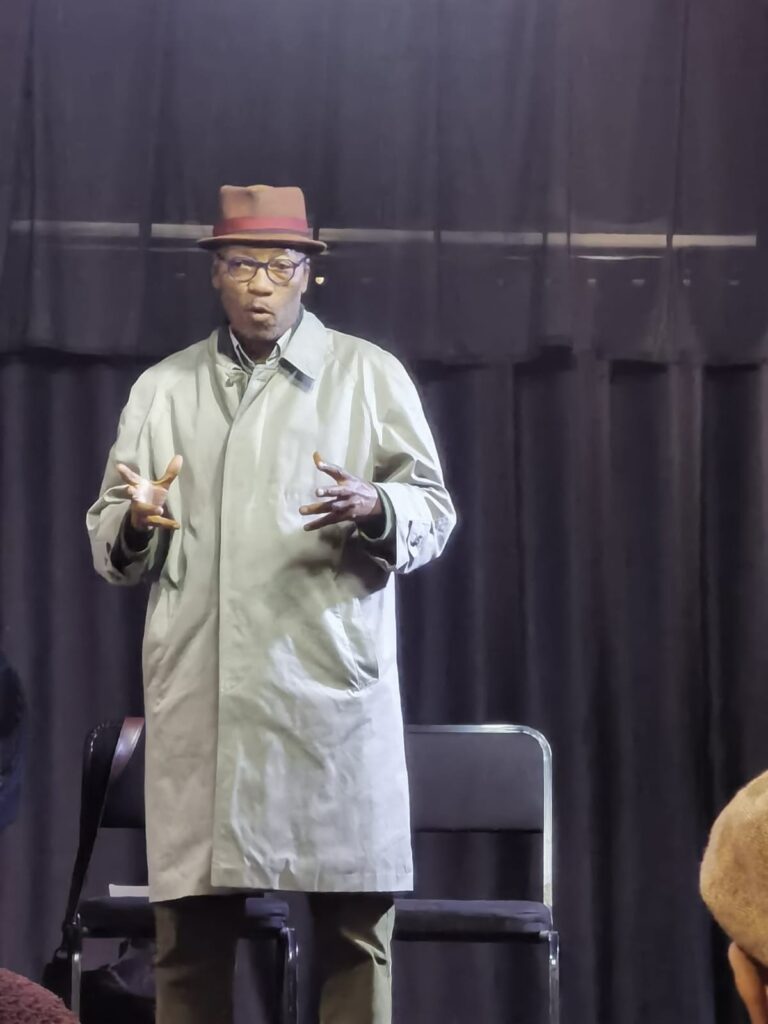
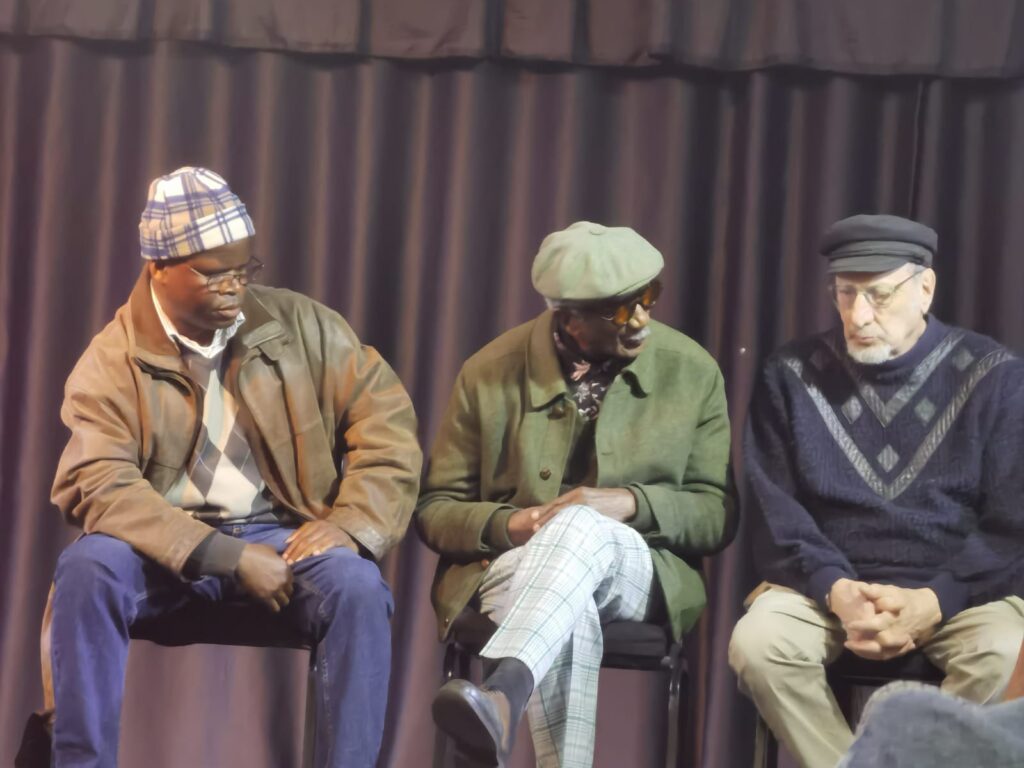
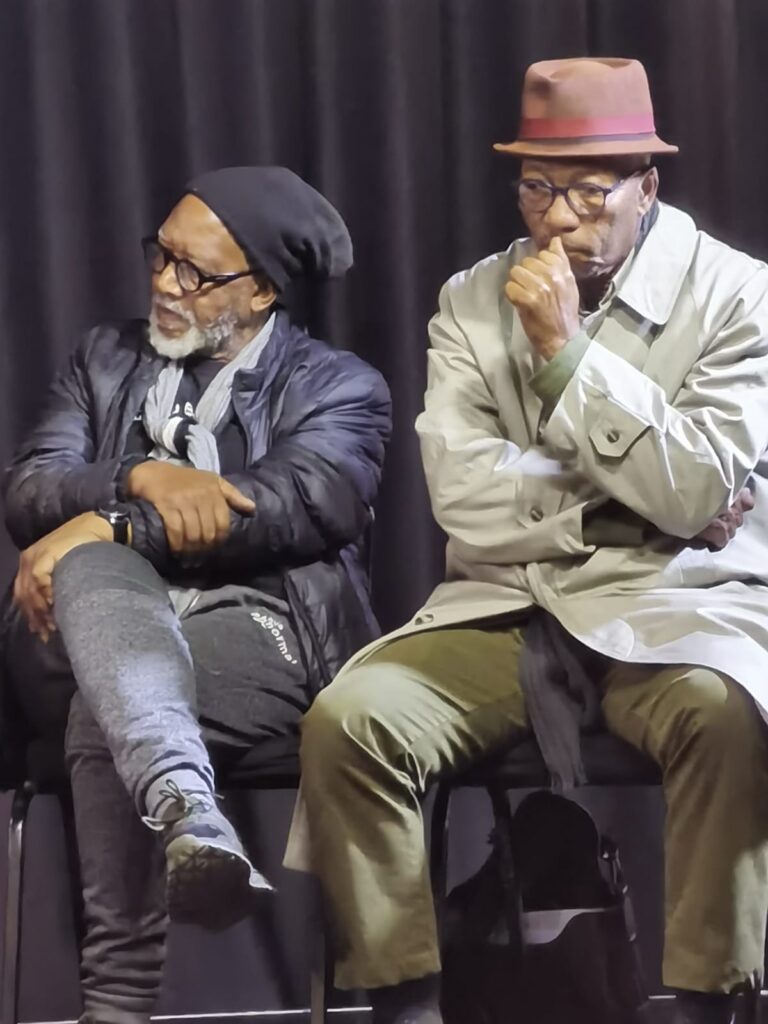
It is part of the heritage of Kippies and is part of Kippie Moeketsi’s legacy,” Mabuse said. It, is also a call echoed during the discussion by pioneering black publisher Mothobi Motloatse. Motloatse was part of the panel that included among others Mathe, veteran broadcaster Stanley Bodibe, Mabuse, Jazz music expert and anthropologist Prof. David Coplan who reflected on the life and times of Moeketsi.
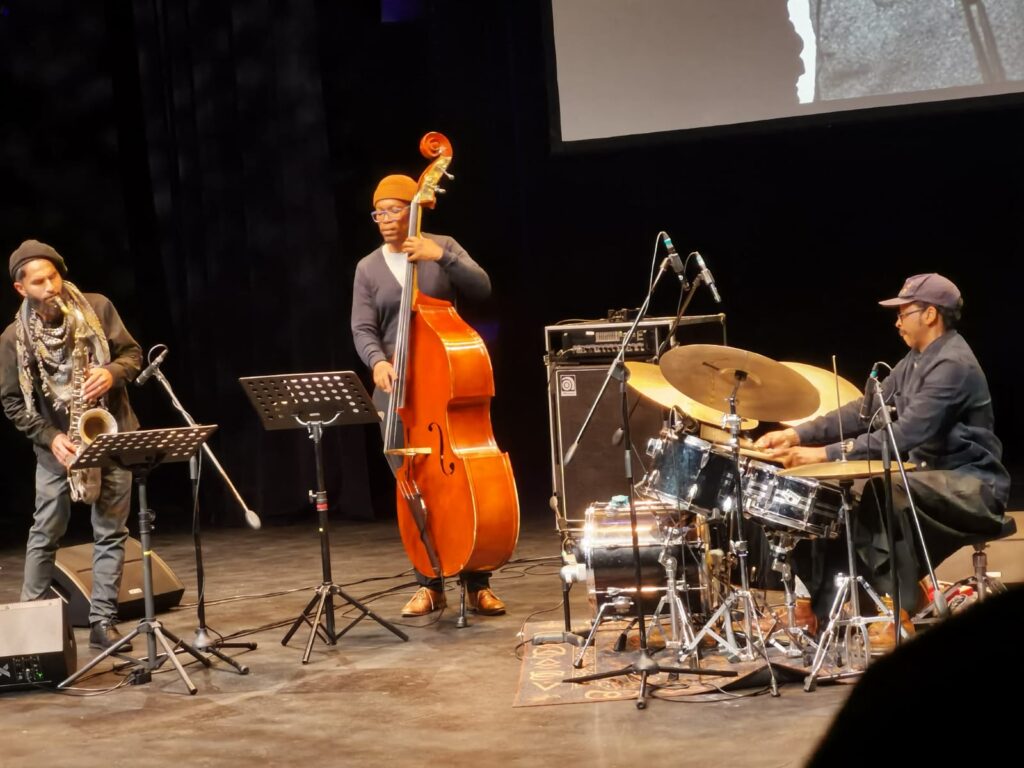
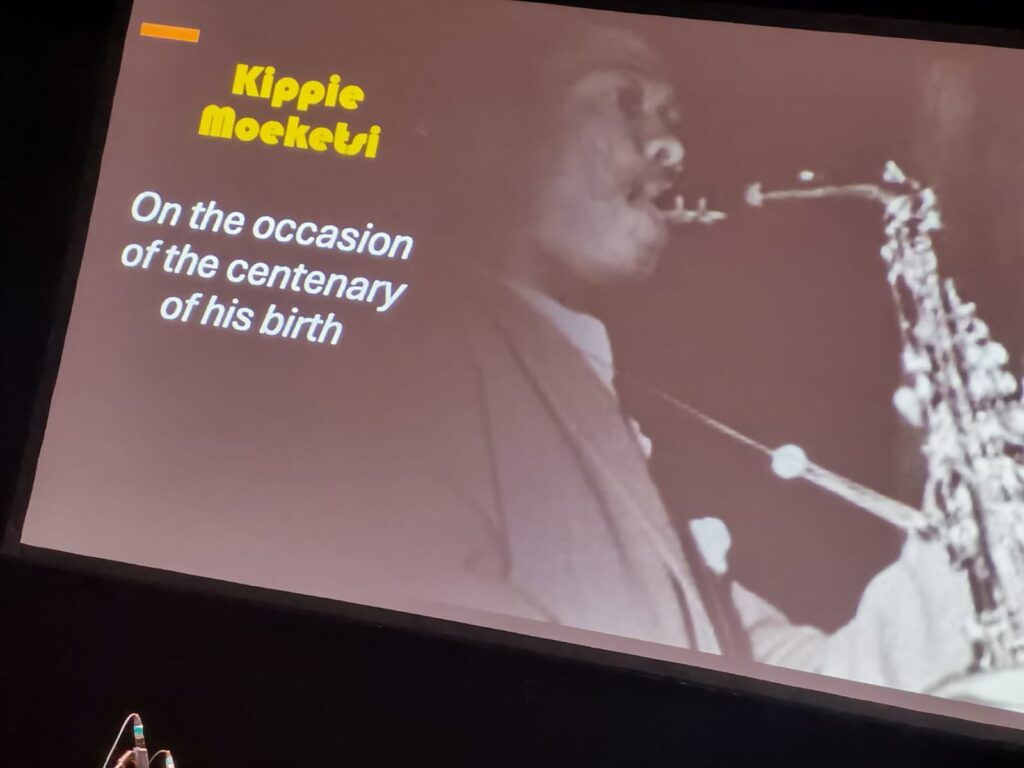
This discussion and a tribute concert featuring the Tumi Mogorosi Trio of Muhammad Dawjee (saxophone) Radebe (bass) and Tumi Mogorosi Drums), was part of the centenary celebrations organized by the Market Theatre Foundation and curated by Mathe.
The concert which took place in the John Kani Theatre was a great experienced attended by ba full house which was enthralled by a new generation of jazz musicians anchored by Mogorosi, which performed a number of pieces from Moeketsi’s compositions, a man described as “short in repertoire but rich in blues.”
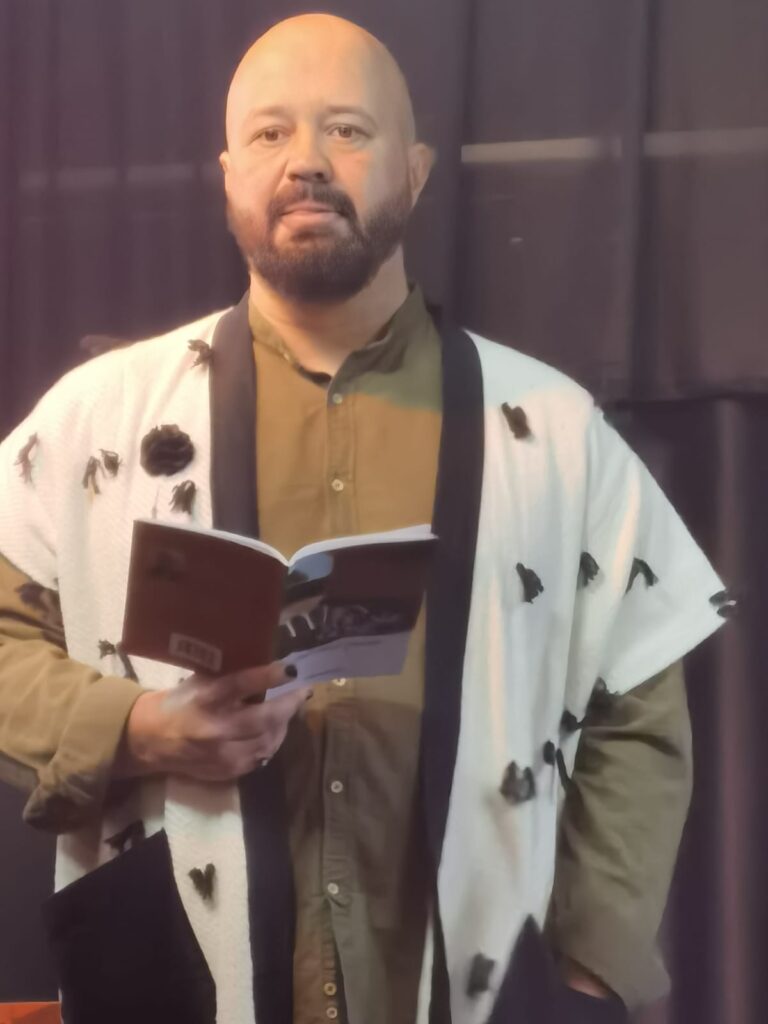
The trio also beautifully rendered Charlie Parker pieces, a man whose music influenced Moeketsi’s aesthetic trajectory. It was indeed a befitting tribute event for a man whose life was cut short by difficulty tragic s=circumstances, and whose life was that of a tortured music genius, whose intellect according to Coplan, was far much advanced, even too advanced for the kind of society governed by restrictive apartheid conditions, which destroyed such talent and incisive minds of the type of black person that the saxophonist was.
And so, this event was much a celebration as it was also to remember the tragedy that was brought upon the talented and brave such as m0oeketsi by the Apartheid system that simply denied such talent to flourish unrestricted.