


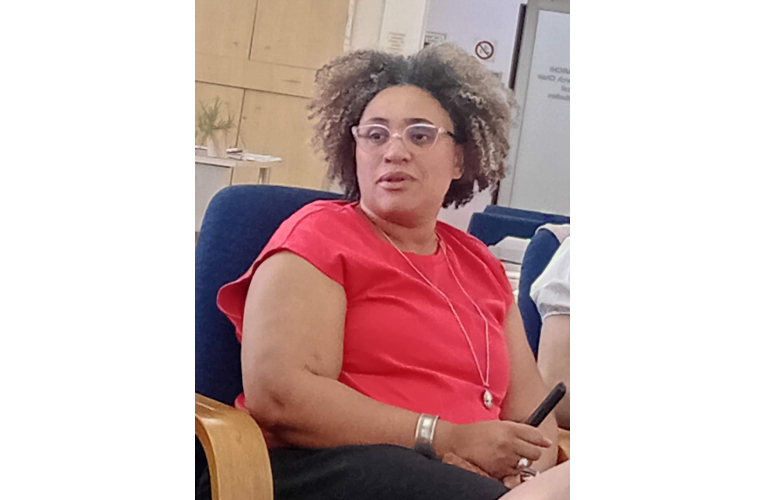



Dudu Xaba: The pathfinder democratizing African storytelling
As the founder and CEO of Mpande yeHlumelo Publishers, Media, and Services, Dudu has led the publication of 16 books spanning children’s literature, academic writing, non-fiction, and short story collections.

By Sandile Memela
For more than two decades, Delightful Dudu Xaba has operated at the intersection of education, publishing, and storytelling with one clear purpose: to ensure authentic African voices are heard, valued, and preserved.
She is unapologetic about that mission. As a college lecturer, founder and CEO of Mpande yeHlumelo Publishers, Media, and Services Pty Ltd, writer, editor, and entrepreneurship champion, she has built a career on dismantling the barriers that keep ordinary people out of the story.
Dudu does not treat storytelling as a side project or a soft skill. She treats it as infrastructure. In a context where publishing has long been controlled by gatekeepers, where first-time authors are told their stories are “not commercial enough,” and where students are trained for employment rather than creation, she has created alternatives that work.
Her work proves that access, not privilege, should determine who gets to speak and be heard.
As the founder and CEO of Mpande yeHlumelo Publishers, Media, and Services, Dudu has led the publication of 16 books spanning children’s literature, academic writing, non-fiction, and short story collections.
Each title represents more than a book. It represents a first-time author who was given a chance, a manuscript that would have gathered dust in a drawer, and a community that finally sees itself reflected on the page.
What makes her work disruptive is not the volume, but the model. Mpande yeHlumelo operates as a deliberate counterweight to an industry that privileges pedigree and connections.
Dudu has made it her business to lower the threshold for entry without lowering the standard for quality. She mentors writers through editing, ghostwriting, and project management, ensuring that manuscripts meet professional standards while retaining the author’s voice.
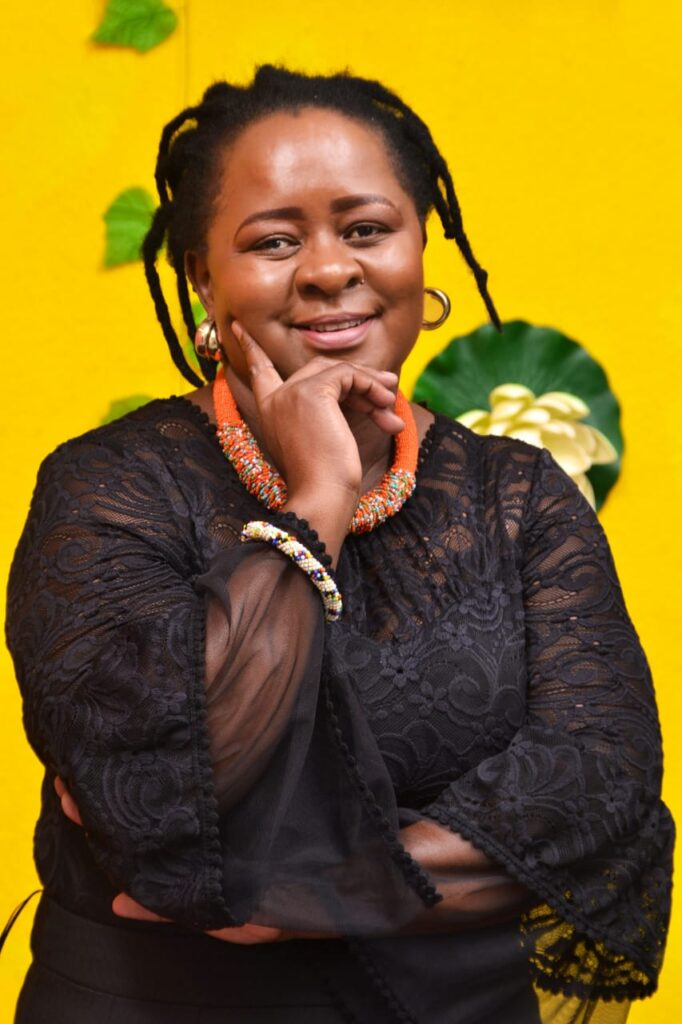
For her, publishing is not a business in the narrow sense. It is a mission to democratize storytelling.
The underlying belief is simple and radical: every voice carries value, and the role of a publisher is to create the conditions for that voice to reach an audience. In doing so, she has turned Mpande yeHlumelo into a launchpad for writers who would otherwise remain invisible.
Writing at the edge of truth and healing
Dudu’s own writing is rooted in the same ethos. She is a gifted writer, editor, and ghostwriter known for shaping narratives that are both deeply personal and socially significant. She writes where it matters most: at the intersection of truth, pain, resilience, and healing.
Her contribution to anthologies such as Silent Screams of a Burdened Nation illustrates this commitment. The work does not flinch from societal realities. It names them, examines them, and transforms them into material for awareness, dialogue, and change.
Dudu understands that stories are not just for entertainment. They are instruments for diagnosing a society, for giving language to experiences that have been silenced, and for building the empathy required for collective action.
This approach sets her apart in a media landscape saturated with either escapism or polemic. She avoids both.
Her writing insists on nuance, on the complexity of lived experience, and on the possibility of healing after confrontation. It is writing that demands courage from both the writer and the reader.
In the academic space, Dudu’s impact is equally deliberate. As a TVET college lecturer, she was entrusted as an entrepreneurship champion and trained students through the Allan Gray Entrepreneurship Programme. The role required more than teaching business plans and financial models. It required shifting mind sets.
Many of her students enter the classroom believing that entrepreneurship is for other people—people with capital, connections, and confidence. Dudu dismantles that belief.
She equips students and former students with practical skills, critical thinking, and the confidence to build sustainable businesses and redefine their economic futures. She treats entrepreneurship as a form of self-determination, a way for young people to stop waiting for jobs that may never come and start creating value on their own terms.
Her classroom is an extension of her publishing work. Both are about agency. Both are about giving people the tools to control their own narrative, whether that narrative is a business model or a manuscript.
A Legacy of empowerment, not participation
What distinguishes Delightful Dudu Xaba is integration. She does not compartmentalize her roles. The lecturer informs the publisher. The writer informs the teacher. The publisher creates the platform for the stories that emerge from her classroom and community. Every initiative is connected by a single thread: empowerment through voice.
She does not simply participate in education, publishing, or storytelling. She uses them as instruments.
The result is measurable. Sixteen published books mean sixteen authors who now own their intellectual property and their narrative. Hundreds of students mean hundreds of young people who now see entrepreneurship as a viable and dignified path. Anthology contributions mean communities that see their struggles and resilience documented with dignity.
In an environment where young Africans are often told to wait their turn, Dudu tells them to start now. She creates the platform, teaches the craft, and publishes the work. She demonstrates that when you invest in authentic voices, you do more than preserve culture. You shift power. You change who gets to define the national story.
Dudu Xaba’s work matters because it addresses a structural problem with a practical solution. The lack of African voices in publishing, media, and economic life is not just a cultural loss. It is an economic and political one.
When people cannot tell their own stories, others tell them for profit or for control. When students are not trained to create, they remain dependent on systems that were not designed for them.
Her response has been to build. To build a publishing house that prioritizes access. To build a classroom that prioritizes agency. To build a body of writing that prioritizes truth and healing.
She is a pathfinder because she has walked a path that did not exist and made it walkable for others. Her legacy will not be measured in awards or sales alone. It will be measured in the number of people who, because of her, learned to think boldly, speak truthfully, and transform ideas into impact and stories into legacy.
In celebrating Dudu Xaba, we celebrate a model of leadership that is rooted in service, competence, and an unwavering belief in the power of the story. Africa does not need more gatekeepers. It needs more pathfinders like her.