


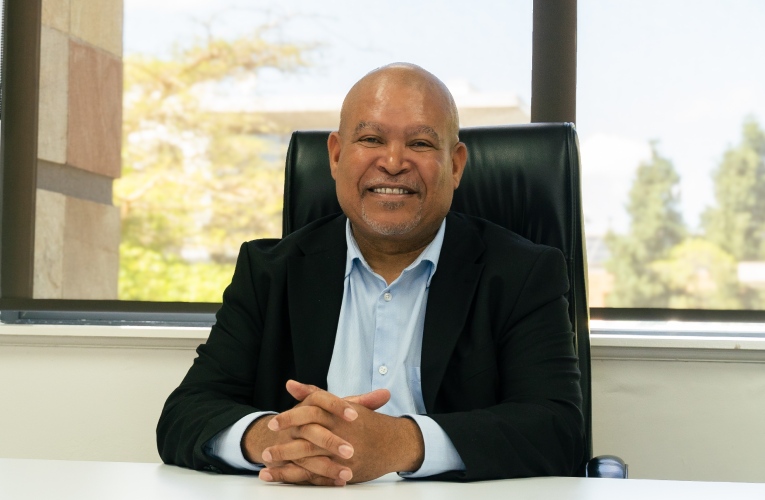

Freddy Gwala: The relentless architect of South Africa’s street sound
By Funeka Bambalele

There is something remarkable about an artist who dares to create their own sound, committing to it, and working tirelessly to grow it. The world has celebrated icons like Prince and David Bowie—artists who fused genres and defied narrow musical categories.
South Africa has its own multi-talented trailblazer in that lineage: Freddy Gwala, affectionately known as Madamara.
Gwala, born into a deeply musical family in Soweto, has carved out a legacy that few can rival. He is one of the rare South African artists who not only pioneered but successfully grew two distinct music genres. Alongside his siblings, he formed Platform One, a group that became synonymous with wedding songs and celebratory township anthems. Platform One’s sound refuses to fit neatly into the narrow category of afro‑pop. Later, he returned as a solo act to establish the unmistakable Zumba sound—raw, streetwise, and rooted in lived experience. With both ventures, he ventured boldly into new sonic territories.
Long before that chapter, Gwala’s journey had already taken shape. In 1975, at only 14, he formed his first group, Pure Gold, alongside his brothers and cousins—performing at wedding ceremonies.
With more than 41years in the professional music industry, Gwala remains unstoppable. He continues to write, record, and perform with the same fire that defined his early years. Promoters still book him as a show‑stopper because, once he steps on stage, he loses himself completely—age becomes irrelevant, and the legend takes over.
In 2026, Gwala returned to the studio to craft new music, releasing his 19th album titled Ang’fun’iLawyer—(I Don’t Want a Lawyer). For fans who have followed him since the Tshidi Skhelekhele era, the title alone is proof that Gwala remains true to the Madamara spirit: unfiltered, street‑rooted, and deeply reflective of everyday realities.
He admits that after the Covid‑19 outbreak, he took a step back to reassess his direction, focusing mainly on performances and international tours. It was only last year that he returned to the studio to prepare this milestone 20th offering.
A husband, and father, Gwala draws his inspiration from the stories of ordinary people. The title track, Ang’funi Loya, was sparked by a conversation he overheard—someone in jail lamenting that their lawyer had misled them. In township slang, lawyers are sometimes called AboMajiyane, referring to people who struggle to tell the truth. Gwala taps into these raw, everyday narratives with ease.
“My music is inspired by people’s stories,” he explains. “This song came from hearing someone complain about their lawyer. Many people in prison feel they were misled. They don’t believe that lawyers represent their interest. In fact they believe that lawyers mislead you instead of fighting for you [as an accused person]. That’s why the man says, “I don’t want a lawyer.’
The new album also features Zimbabwean DJ Ezra “Tshisa” Sibanda and includes a track that blends Amapiano with Gwala’s signature style—an intentional nod to millennial listeners.
Among the standout tracks is Sindisiwe, a fan favourite. It’s a beautifully composed lament of a man being sent to prison, knowing he may never watch his children grow up. Other gems include Waboshwa Ngisemncane, where a young man rejects being judged for the sins of a father he never knew. Other great songs include Ngashizila; Nomsa; Iparole; and Great Zimbabwe.
Gwala believes his musical gift is spiritual. What began as passion has revealed itself, over time, as an ancestral calling. “The secret is that I don’t write songs down,” he says. “A song comes from someone’s speech—one line will stick in my mind until I record it. That’s why I believe I’m guided by certain powers. This is not just talent. My angels gave me these songs.”
He credits his longevity in this unforgiving industry to discipline and honesty—qualities that have kept him grounded while others faded.
Over the years, his music transcended African and European borders. As a result, Gwala spent most of his time touring internationally, performing in countries such as the UK, Ireland, and Canada.
This year, he is set to return to the UK in June, proving once again that the Madamara Sound remains timeless, relevant, and fiercely alive.
He has composed and released albums under Platform One, Pure Gold and Freddy Gwala. Some of the popular hit songs like Matshidiso, Amadamara, Khiphidayimani, Congo, Ngiboshiwe, Shikisha, Udakwa Kabi and many more.