

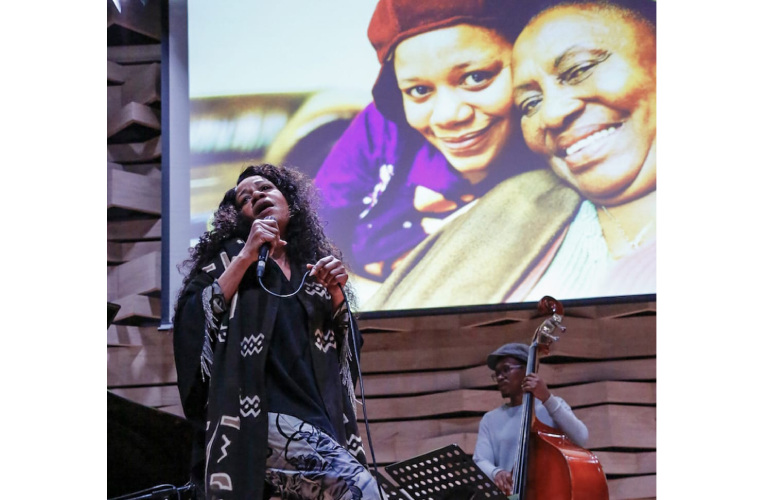
Young musicians play with soul, paying tribute to Miriam Makeba at Chris Seabroke Hall
However though, it is a serious indictment that the Miriam Makeba Foundation is begging for support to reopen her school for girls. If Wits, the state, and corporate SA can fund tributes, they must fund the institution Makeba actually built. Otherwise the tribute becomes a performance of gratitude without responsibility.
By Sandile Memela
On a warm afternoon at the Chris Seabrooke Theatre, Wits University did something rare: it filled a state of the art small intimate auditorium to celebrate an African artist without apologizing for her Africanness.
The Miriam Makeba Tribute, a collaboration between the Makeba Foundation and the Wits School of Arts, was relatively well attended.
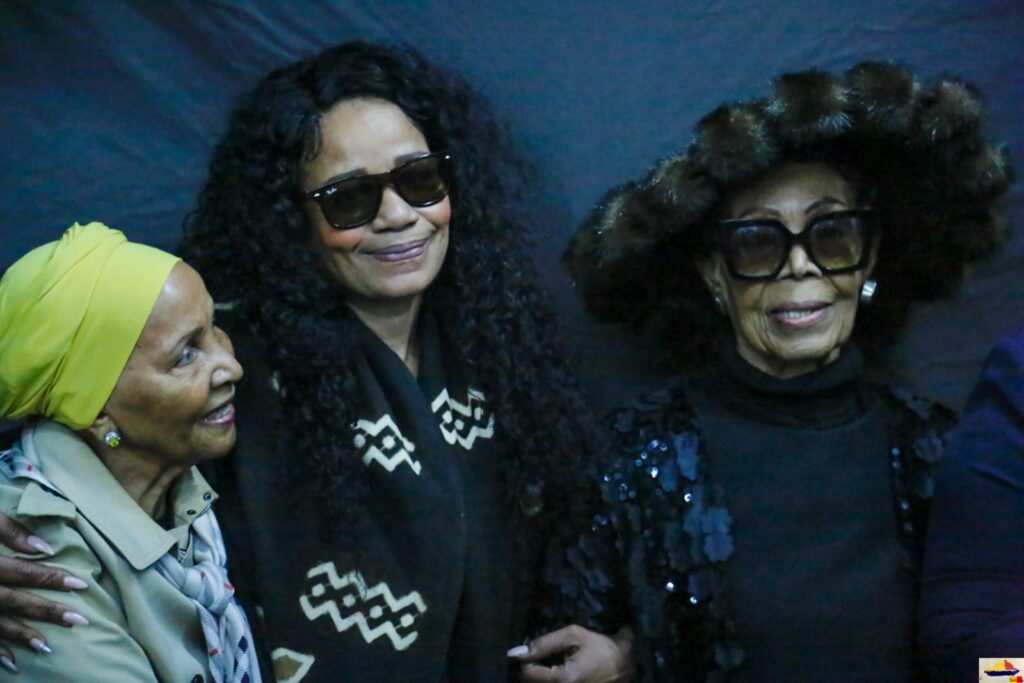
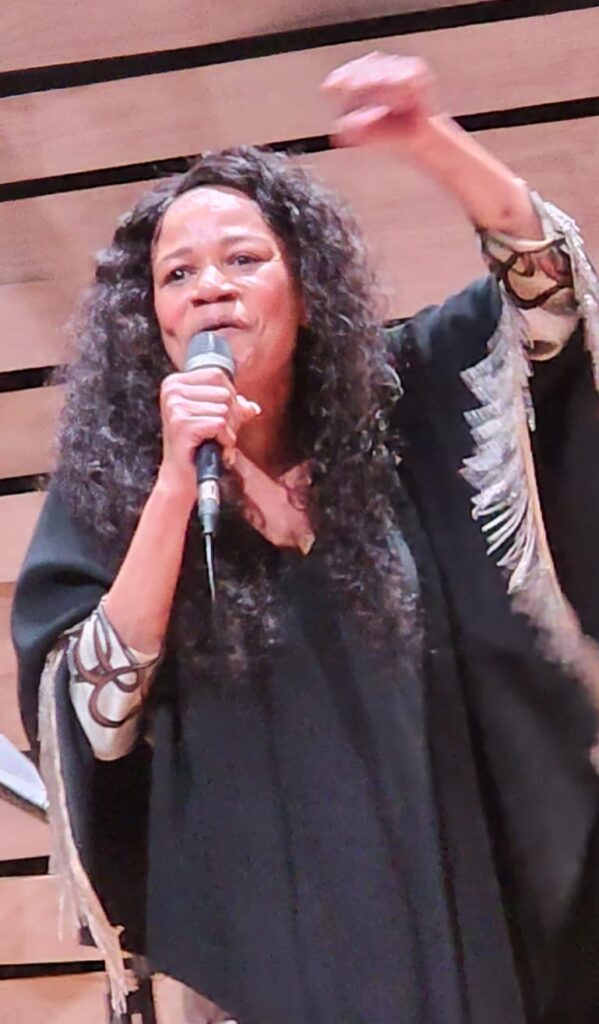
Above all, it was emotionally charged, and carried by the undeniable presence of Zenzi Makeba, Mama Afrika’s granddaughter.
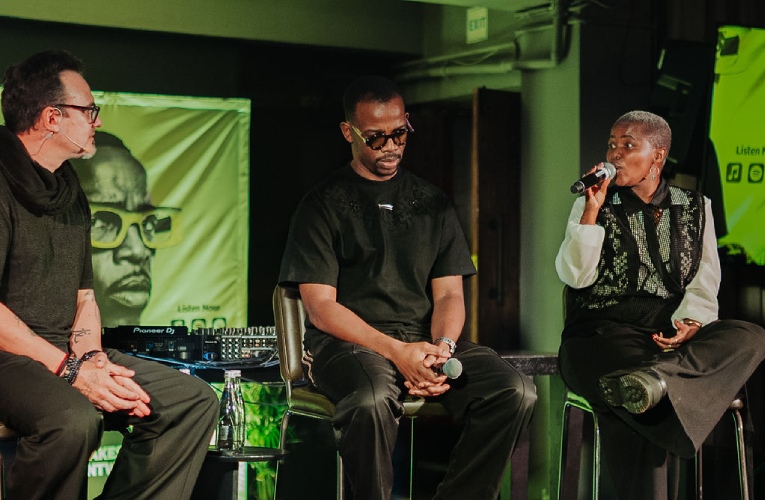
This was not just a concert. In the words of Prof Rene Smith, Head of the School of Arts, it was “a very special day” for an African-centered community art centre to host an event at a time when South Africa is “facing Afrophobia.”
The show prioritized social justice, Pan-African memory, and intergenerational continuity. That ambition mostly succeeded. The execution, however, reminded us why legacies are hard to hold.
The Spirit: Zenzi Carries the Fire
If there was one reason to see this show, it was Zenzi Makeba. From the moment she walked on stage, it was clear she is not performing a role. She is carrying a lineage.
Opening with Jolinkomo, she delivered a danceable, infectious piece that immediately dissolved the formality of the theatre.
She strides, she chants, she digs deep.
During Ingwe Emabalabala she looked, as one audience member whispered, “possessed” – not in a theatrical way, but in the way a young woman taps into an ancestral archive and lets it move her body.
When she performed Ilanga Lishonile, a song calling for the return of lost cattle, you understood why Makeba’s music was never just entertainment.
It was memory, prayer, and politics sung in isiZulu, isiXhosa, Lingala.
Zenzi sang in African languages without translation, without compromise. That is radical in a society that still rewards English fluency over cultural fluency.
Her original piece This Is My Life, featuring her bassist son, Kwameh Mkhize, was the most revealing moment. Here she stopped being “Mama’s granddaughter” and became an artist with her own voice.
The audience leaned in. She looked radiant. It was proof that the struggle to uphold Miriam’s legacy has not turned Zenzi into a museum piece. She is building, not just preserving.
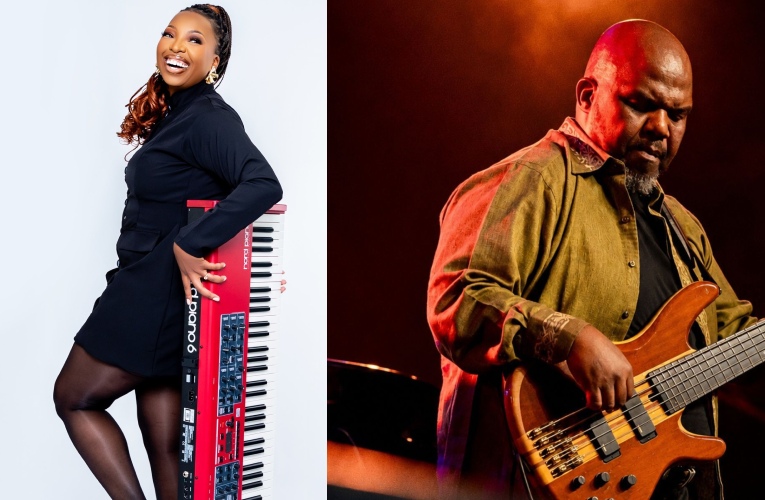
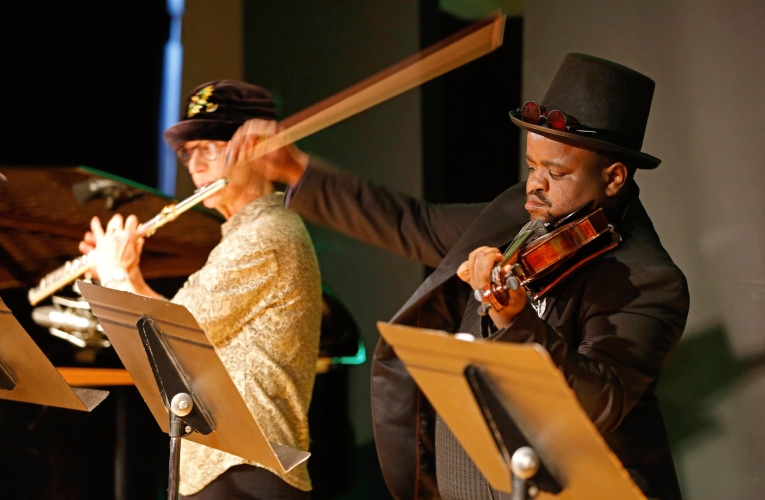
The band, led by musical director Afrika Mkhize and featuring some of the leading artists of his generation, was young, hungry, and tight. The energy was there. The limitation was time. Or the limited song selection.
Seven songs, including encore, are too few for an artist who deserves a full arc. But what they played, they played with soul.
The Context: Pan-Africanism in an Afrophobic Time
What elevated this tribute beyond a memorial concert was the framing. Prof Smith opened by naming the moment: Afrophobia, social injustice, a country still bleeding.
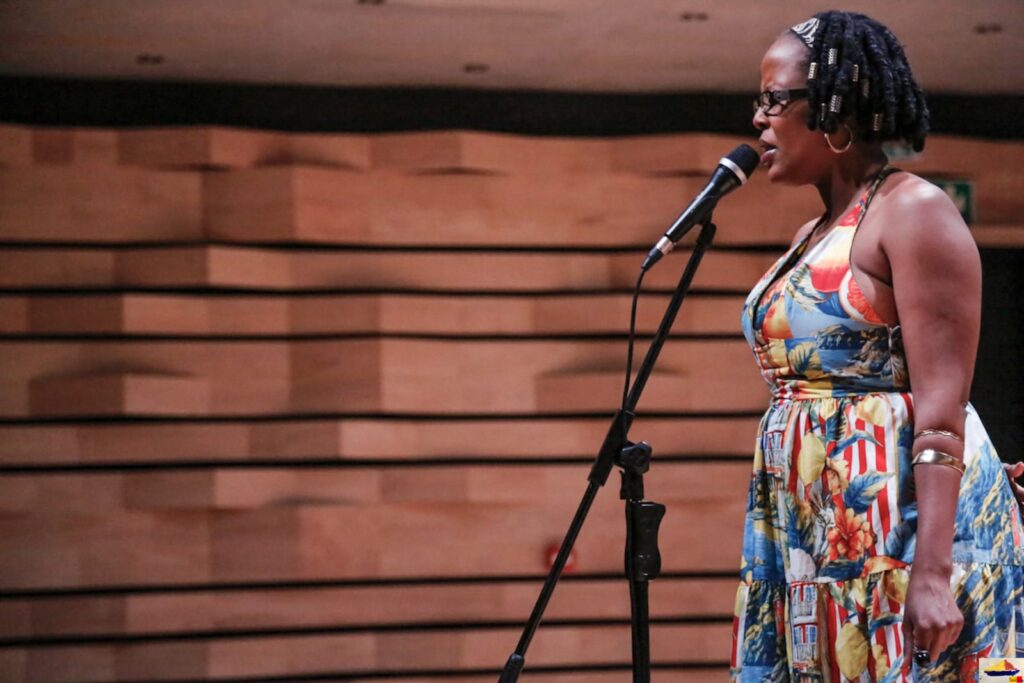
Evocative poet Mandi Mavundla’s Love Song for Miriam cut deepest: “Forgive us for not remembering. For forgetting about you.”
And Makeba whose spirit hung in the air, spoke from beyond the grave: “We as artists should not close our eyes to what is happening around us.”
It was an exhortation. An assertion. A call and a plea to artists to remain independent and free..
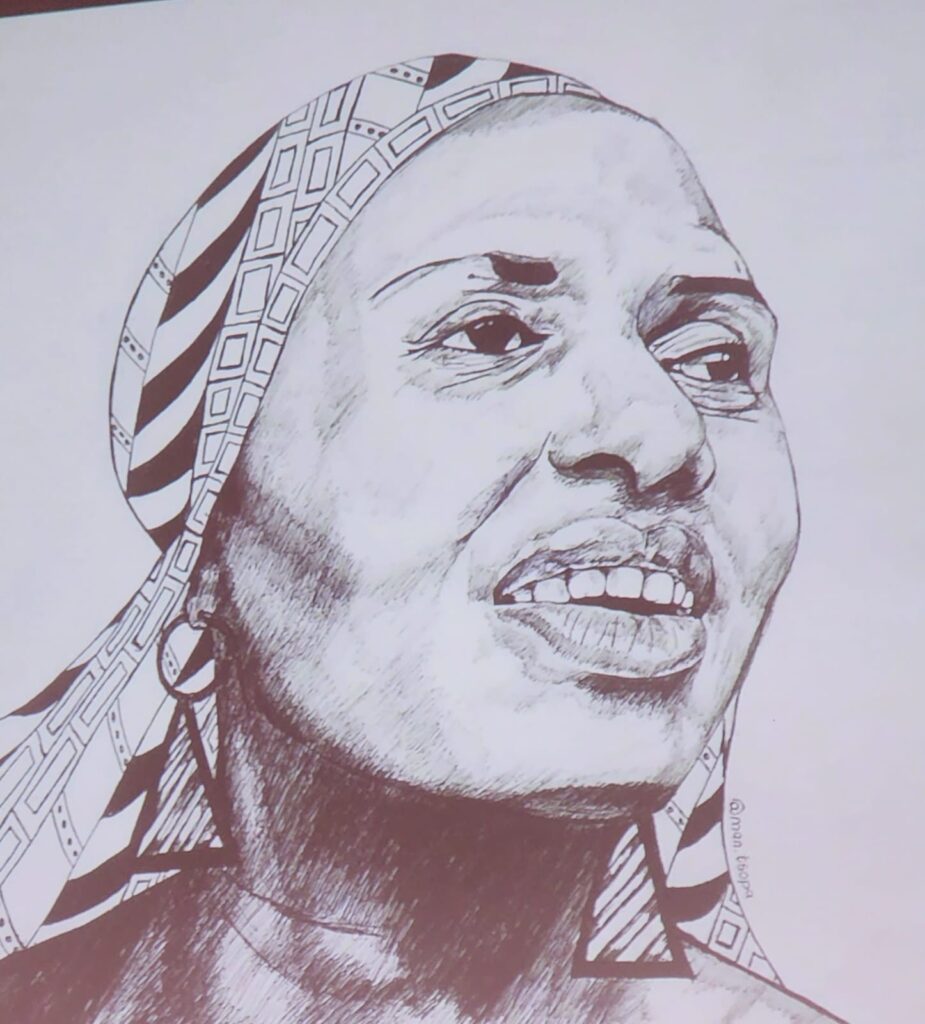
That line landed because it’s true. Makeba was exiled for speaking about Sharpeville. She chose Pan-Africanism over citizenship. She sang in languages most global audiences didn’t understand because she refused to shrink herself.
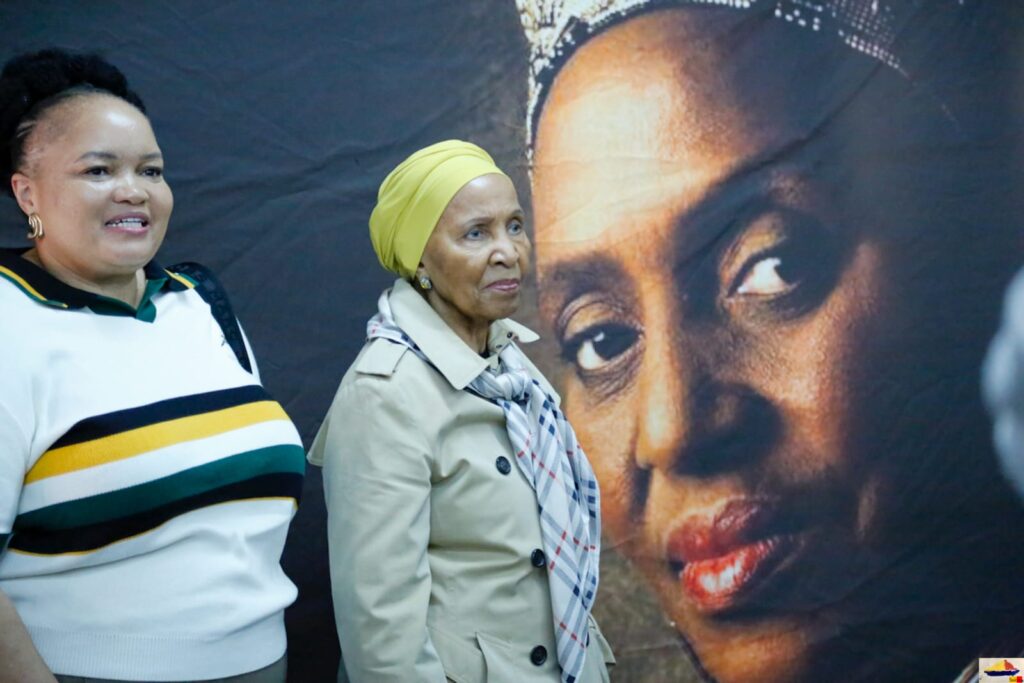
Dr Naledi Ramopho, who spent time with Mama, reminded the room that “Mazi was a carer and a giver. She cared about young women. She deserved to be called Mama Africa.”
Ramopho’s plea for support of girls’ education echoed Makeba’s own dream of a school for girls – a dream CEO Thato Mokhotso confirmed is on the verge of being revived through the Miriam Makeba Foundation.
That announcement got the biggest applause of the afternoon. It turned tribute into action.
Trumpeter Bongani Majola from Sharpeville had opened the music with a solo. He was asked to do something he hadn’t done in years.
You could feel the weight: “I realized the huge responsibility to open for a Makeba tribute.” He blew his heart out, and in doing so, he located the show geographically and historically.
This was not just about Mama. It was about Sharpeville, Soweto, and every place where music had to carry what politics could not.
Closing with Aluta Continua, dedicated to Samora Machel, Eduardo Mondlane, Frelimo and liberation struggle, the show refused to let us forget that Makeba’s stage was always a liberation stage. The audience stood, sang, and remembered that her music was never apolitical.
The Critique: A Half-Meal When We Need a Feast
For all its power, the show felt under-resourced. It was so short that there was no break or second set
And that itself is part of the critique Makeba would have made.
The band only played half a dozen songs. Opportunities like this are rare for artists. The theatre was relatively full. The audience was warm. The band had the energy.
To stop at six songs felt like leaving before the meal was finished. If the point is to “highlight and celebrate talent while nourishing the audience,” then we need longer sets, more risk, more space for improvisation. A Makeba tribute should not feel rushed.
The poet Mavundla could have done more poems, for instance.
Production and support for the family
Zenzi was honest between songs: “Difficult as it is without material support, together with my brother Lumumba Nelson Lee, we are trundling along, doing what we can with what we have.”
That honesty is brave. It is also damning. How is it that the granddaughter of Mama Africa has no material support to keep her grandmother’s legacy alive in a country that names…er, small streets and dilapidated buildings after her?
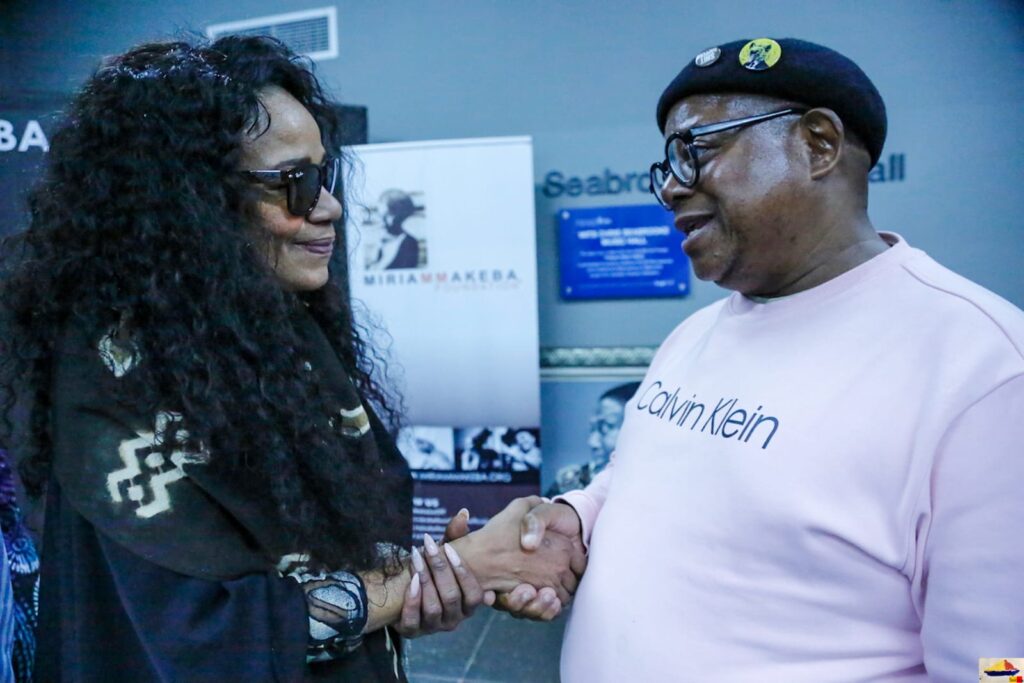
It is a serious indictment that the Miriam Makeba Foundation is begging for support to reopen her school for girls. If Wits, the state, and corporate SA can fund tributes, they must fund the institution Makeba actually built. Otherwise the tribute becomes a performance of gratitude without responsibility.
The program needed more women’s voices.
The panel and speakers were balanced, but the musical lineup could have done more to platform young women instrumentalists and composers alongside Zenzi. Makeba was obsessed with what women do. The tribute should model that obsession.
What Worked: The Audience and the Intention
Despite the gaps, the audience that turned up contributed to uplift to the spirit of the show. They shouted during Malaika like it was 1967. They listened during the poetry. They stood for Aluta Continua. Mam Abigail Kubheka asked for encore.
That was proof of Prof Smith’s point: there is an African-centered community waiting to be fed if institutions will feed it. Africans must do more than talk about African Renaissance.
Zenzi’s presence also answered a quiet fear. In a society where too many grandchildren of icons descend into drugs and silence, Zenzi and Lumumba are choosing to “uphold and promote the legacy.” That choice is political. It is cultural revival.
It is harder than fame. It is service. And commitment to nation building.
Verdict: A Blessing with Homework
This was a good tribute. A necessary one. It reminded us that Miriam Makeba’s legacy is not just Pata Pata. It is bravery. It is Pan-African unity. It is refusing to close your eyes to what is happening around you. It is building schools for girls when the state won’t.
But a tribute is not enough. Makeba herself would have asked: “What does it mean when we see Africans killing each other?” And then she would have asked: “What are you building after the song ends?”
Zenzi and the band gave us the musical meal. The audience gave us the spirit. Now the institutions – Wits, government, corporate SA, the ministry, the arts sector – must give us the material support. Reopen the school. Fund the tours. Pay the band for a full concert, not just six songs.
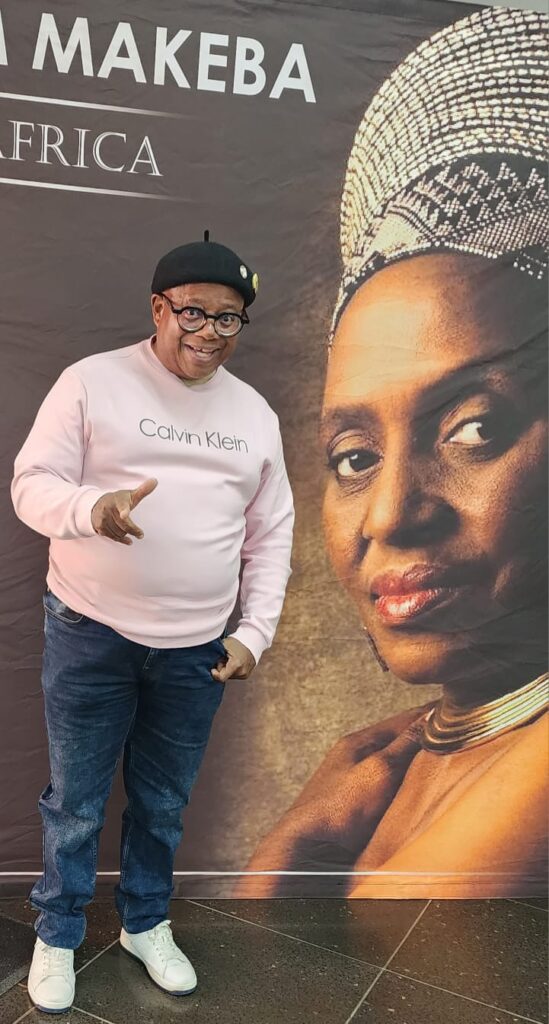
Until then, the music will keep bleeding for Makeba, as Mandi Mavundla said.
And maybe that’s right. Maybe a living legacy should bleed a little. It means it’s still alive. It is a reminder that a vote in an unjust and unequal country is not liberation.