



The 50th Market Theatre celebrations went down well with audience’s throats well looked after
This is as the institution traced its journey of protest theatre that used art to contribute to the struggle for freedom for all in South Africa.
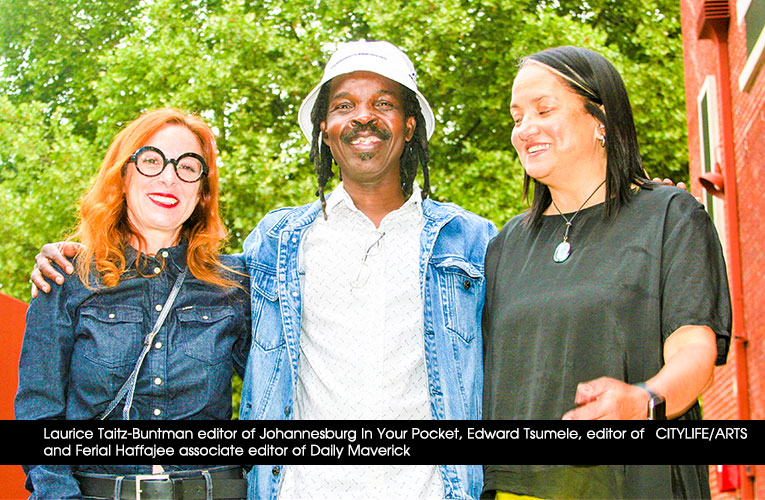
By Edward Tsumele, CITYLIFE/ARTS Editor
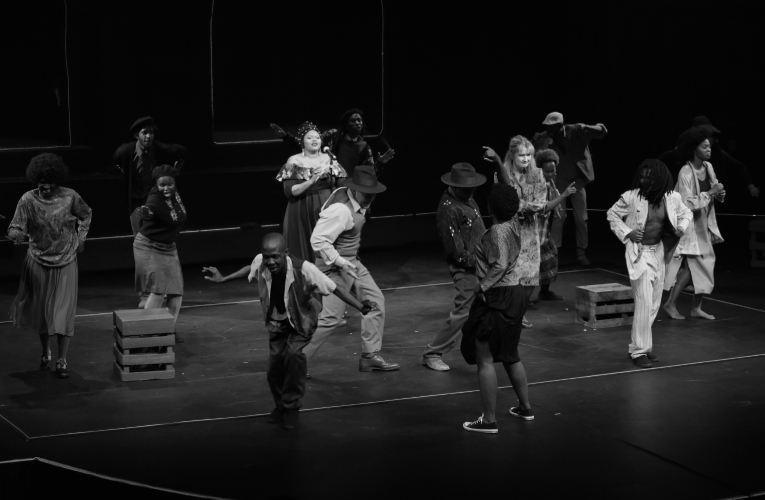
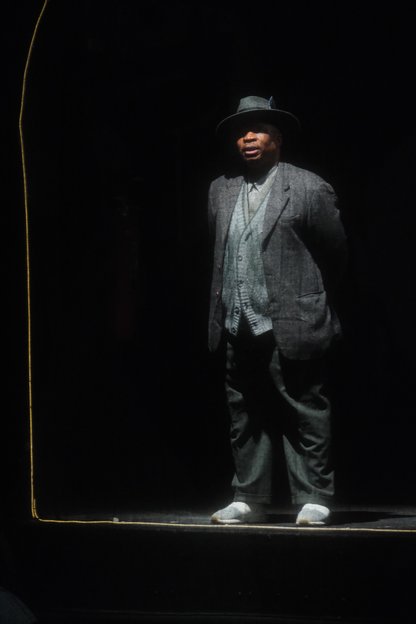
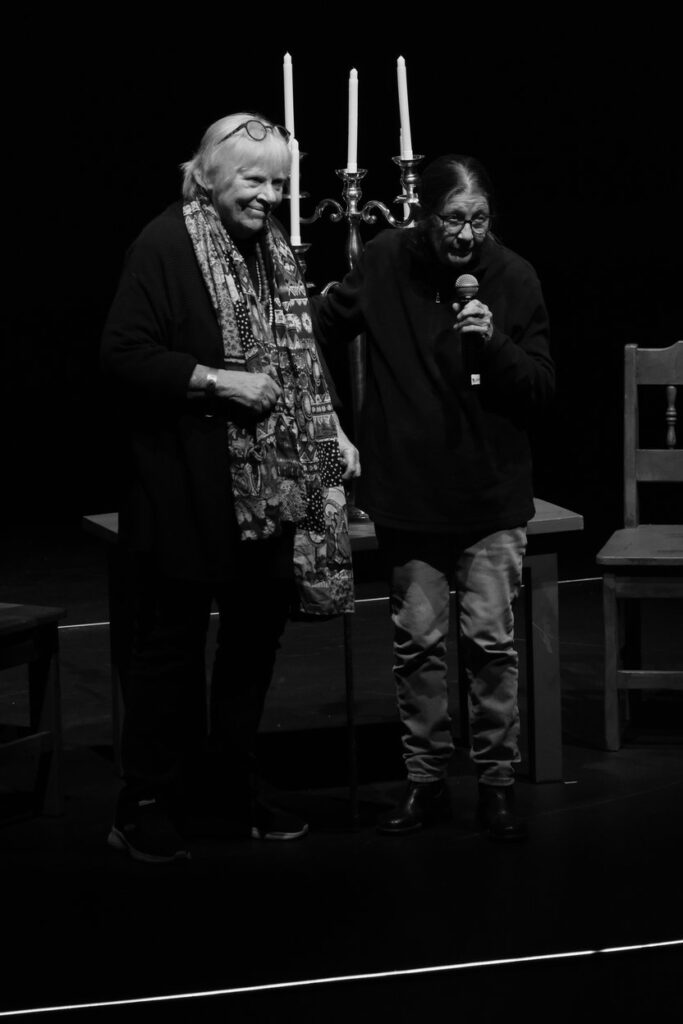
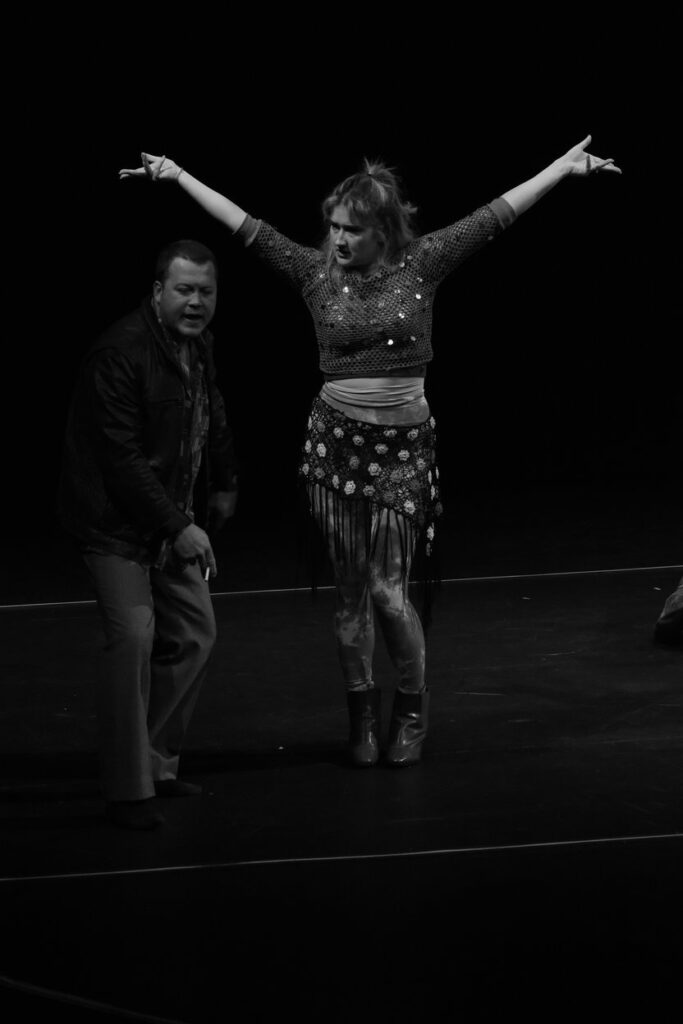
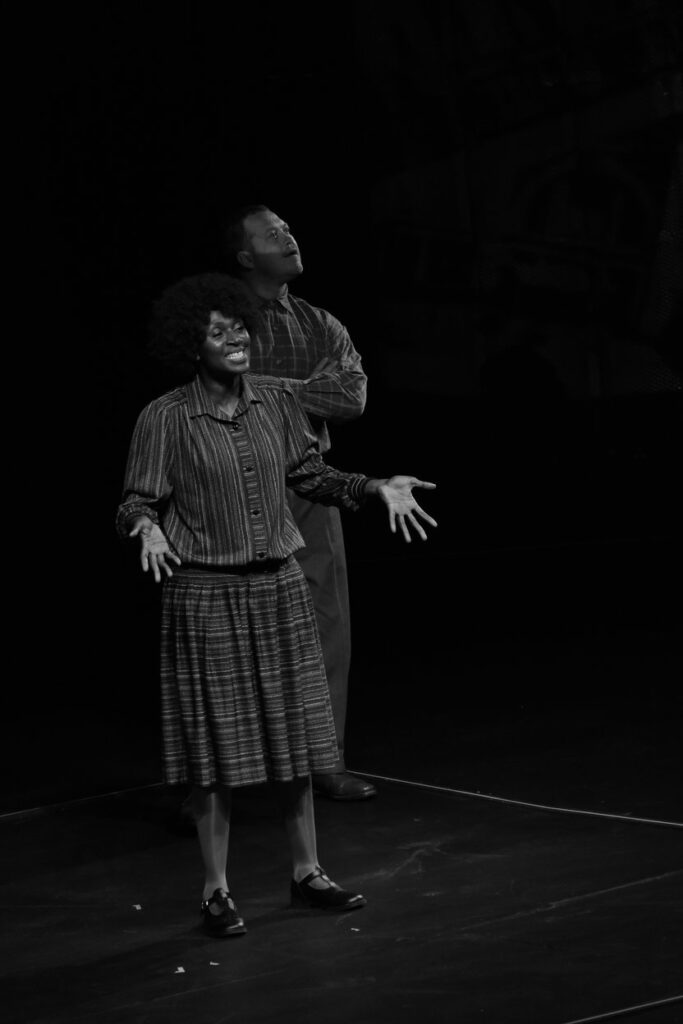
The celebrations of the Market Theatre’s 50th anniversary at the weekend were befitting of an institution of this historical importance. Snippets of plays that were performed by a talented cast, with well-known actor and comedian Desmond Dube tasked with the important job of narrating the Market Theatre’s journey from its inception in 1976 to now, were in fact, a lesson of South African’s struggle history.
At least the role played by the arts through song, dance and acting. The productions that were staged at the Market Theatre over those years, had a fair representation of all the three elements that make great theatre.
The invited audience, divided into two groups, with the first lot afforded an opportunity to attend the opening of the celebrations on Friday, June 19, 2026, where prominent political figures and leaders, including former President of South Africa, Thabo Mbeki attended.
The Saturday iteration of Lets Meet at the Market directed by TV and theatre director and producer Clive Mathibe, to which CITYLIFE/ARTS was invited, also had a number of prominent people from mainly the arts sector –actors, dancers, theatre directors and even Arts hangers-on.
It was a night of celebrations, connecting and networking, that had both a food and drinks galore. The hungry had a go for the food, and the thirsty, went for the drinks that were on the house. This is something that does not happen often at theatre openings these days. This is because of the austerity policy that has sadly since not been updated, when then Minister of Finance, the late Pravin Gordham instructed officials that no alcohol, should be saved at government events, except under certain circumstances. I guess, the celebrations of the Market Theatre turning 50 years, qualified to be called exceptional circumstances. Otherwise, throats were going to celebrate this momentous event while dry. And in the arts sector, making people celebrate with dry throats, is not something taken kindly.
That is why many till this day, have not forgiven the well-thinking minister for issuing such a policy in the first place. A policy that practically means that theatre openings are no longer the same. What with the networking that goes on after the show. What with the discussion about the show and actors that takes place when people are enjoying a drink. Basically in the past, the show did not just end on stage, when the actors had bowed and the curtains had gone done. The show continued off stage and this time, with everyone participating, adding their one cent’s worth to the ongoing conversation about the show, with a drink in hand.
However, since that policy was introduced, the usual after/pre show drinks on the house, have increasingly decreased in volume and frequency. What the minister probably did not know is that in theatre, opening shows without a glass of wine, or something nyana, is a serious crime, equal in its effect, to opening an art exhibition where the mandatory wine on the house, is not served to guests and visitors.
Yes, the minister wanted to cut down the cost of hosting government events to the Fiscus. But cutting drinks at theatre openings, has not worn the late minister friends, and has certainly made him loose some old friends. This has forced some resourceful theatre managers at State funded cultural institutions events to be creative about the whole thing.
You see, there is a loophole in this unpopular Gordhan austerity policy. One of the special circumstances when this policy is waived, is when diplomats are in attendance for example, or when of course a private sector player has come on board to sponsor the drinks.
And so next time you site an inconsequential junior diplomat from a forgotten India Ocean Island with a population of 100 000 at a government event where alcohol is served, do not question the reason. Theatre administrators are trying to go around this policy to make sure that they make their guests happy on opening nights.
This also raises the question of why, if drinks are that important to guests on the opening night of a theatrical production, a brave theatre administrator does not raise this serious issue of dry throats at theatre opening night with authorities. After all, was Gordhan’s austerity intervention not meant to be a temporary measure, while the economy recovers. My friends who are economists tell me that in fact, last year, the economy gained some ground. Therefore, a reasonable minister will accede to a request that shifts these restrictions, and allow theatre goers to be happy again. The more people at theatre, the better for everyone. Anyway, does this retrict8ive policy not have an expiry date?
Okay, done with this serious matter of the drinks on opening night, and now, back to the equally important event at the weekend –the celebrations.
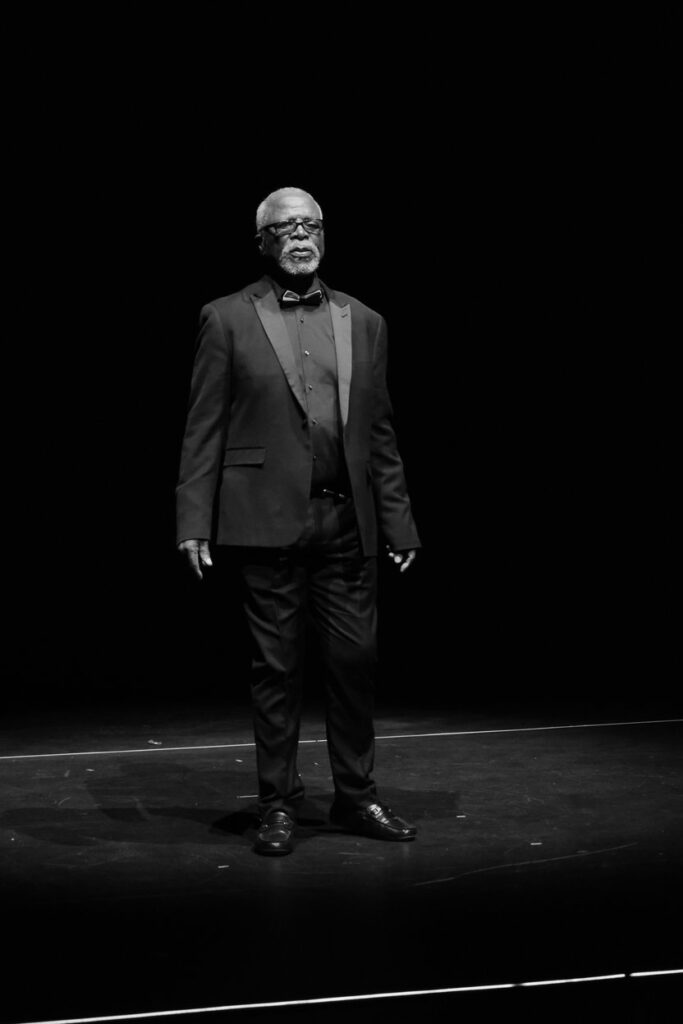
Dube did a good job as the main narrator of the Market Theatre story of 50 years, and so did minor narrators, such as Sami Maseko and others. This young lady is clearly cut out for a role in theatre. Her voice was bold, clear and well-articulated her lines in telling this important journey of the Market Theatre.
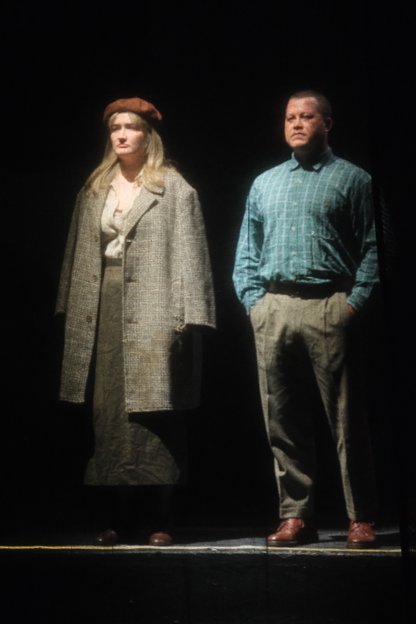
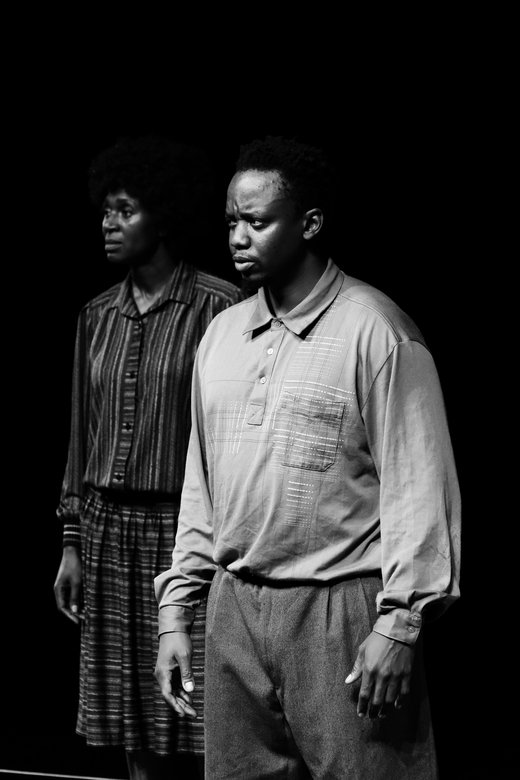
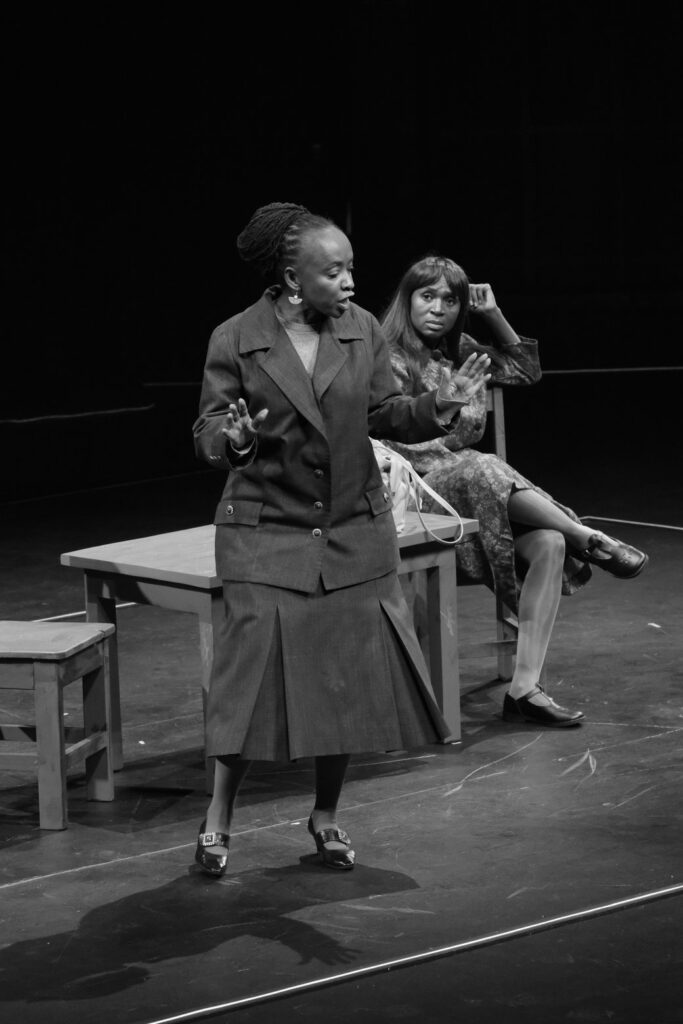
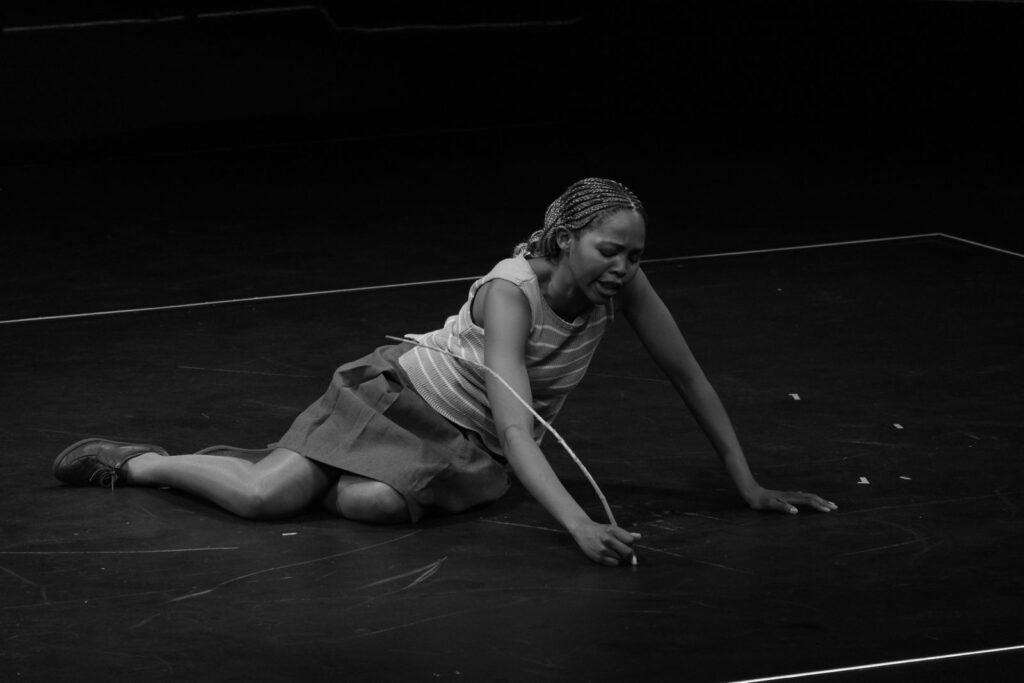
The plays, whose snippets were selected to give the audience a taste of what was cooked on the stages of the Market Theatre by prominent theatre voices, such as John Kani, Athol Fugard, Maishe Maponya, John Ledwaba, Matsemela Manaka, Mbongeni Ngema and others of the years, were outstanding. More importantly, they left the audience with a clear understanding of the evolution of the Market Theatre in the past 50 years.
In apartheid South Africa, the Market Theatre was a home for Protest Theatre, the sort that demands accountability from those in charge of the government of the time, whose Apartheid policy was a burden on the necks of the black majority of this country.
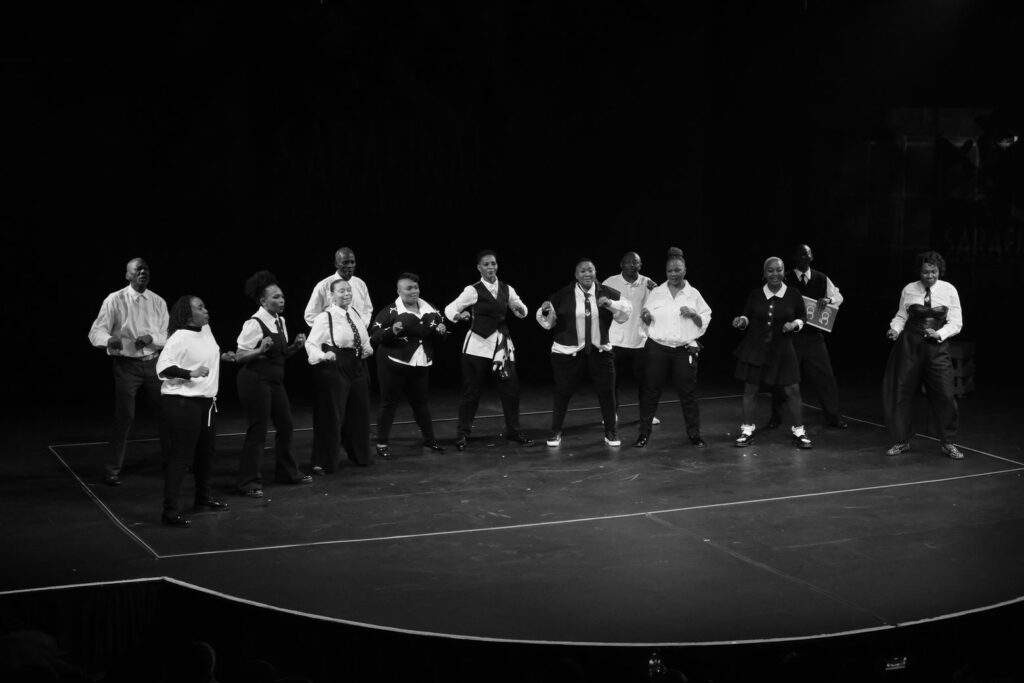
Playwrights of conscience, both black and white, used the stage to poke holes into the grand idea of Apartheid, as simply some separate development design, instead of calling it what it actually was= a crime against humanity, that the United Nations declared it so.
So, the audience were given insights into Protest Theatre plays, such as Sophiatown, Woza Albert, Sarafina, which featured some of the original cast members, and Egoli, among others. These are plays that contributed immensely to the public rebuking of Apartheid. These were powerful art products that travelled far and wide, in South Africa and globally, spreading the ant-Apartheid message to the world.
However, we were also given a taste of what post-Apartheid theatre looks like –through shows, such as Green Man Flashing, by Mike Van Graan, Paul Grootboom’s Cards and The Girl with a Yellow Dress by Craig Higginson.
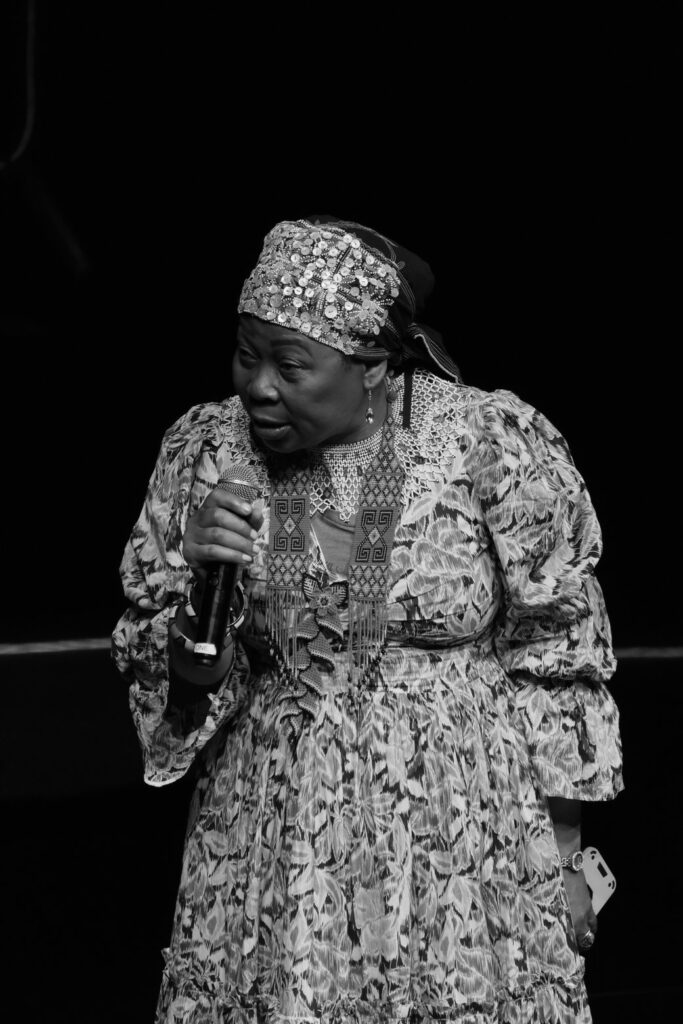
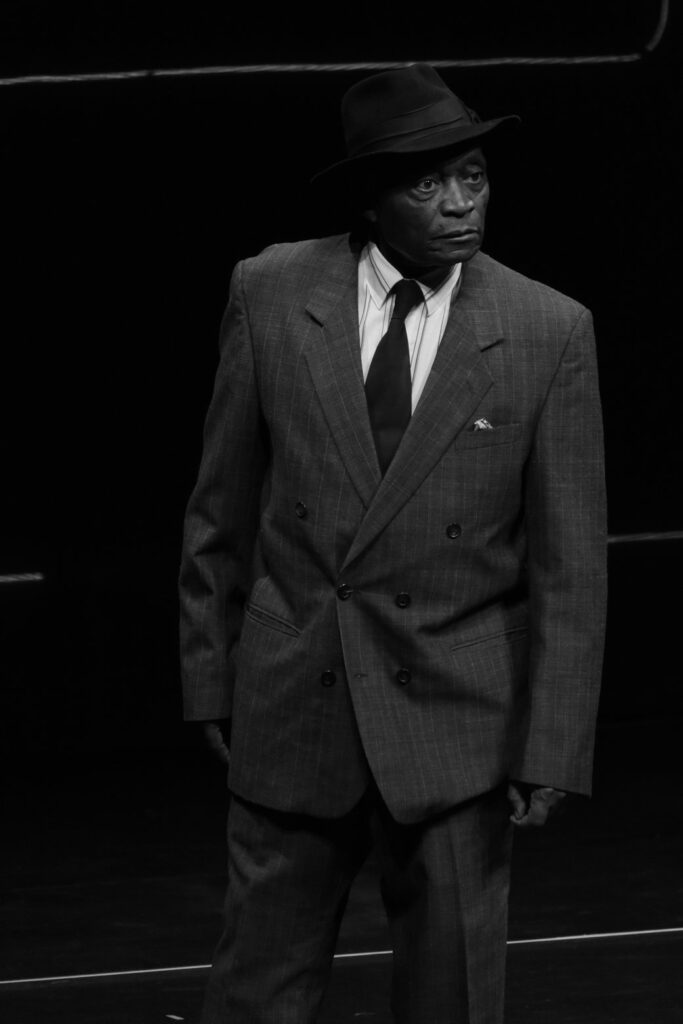
And so, if you asked me, I would tell you that this indeed, was an important and necessary celebration of what the Market has been putting on its stage since it was founded by two visionaries with foresight and a collective sharp mind that saw into the future –the late Barney Simon and Mannie Manim. Manim would have loved to attend the celebrations, but could not do so due to his state of health, CITYLIFE/ARTS was informed by a well –placed source at the celebrations.
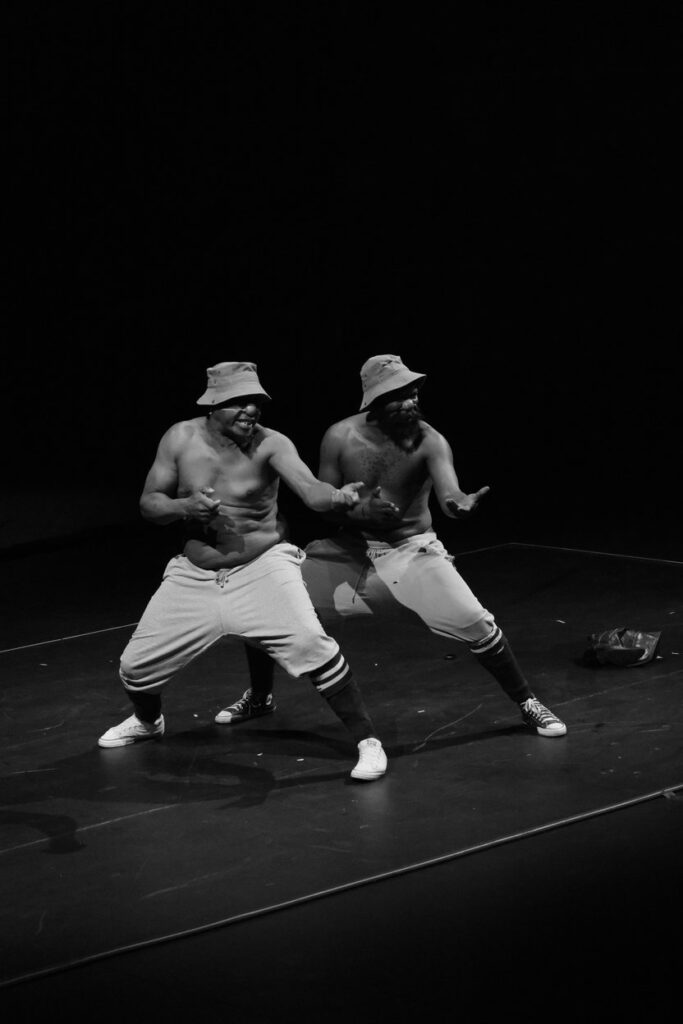
To tell this story through dialogue, dance and acting must have been indeed daunting. However, Mathibe, has a lot of experience producing such shows, as well as awards ceremonies.
Mathibe is an acclaimed theatre maker, television writer, producer, and creative director whose work has shaped South African storytelling for over a decade.
A graduate of the Tshwane University of Technology, Clive is known for his bold and distinctive voice in theatre. His acclaimed productions include 10 Ways 2 Kill A President, So(u)le, 8 Minutes, and his celebrated direction of Cincinatti at The Market Theatre. He also adapted and directed Father Come Home as part of the centenary celebrations of Eskia Mphahlele.
Beyond theatre, Clive has written for numerous South African television productions and has produced major cultural events, award shows, and international productions, including Dubai Expo 2020, the South African Music Awards, the Joburg Film Festival, and the Feather Awards.
For Let’s Meet at The Market, Clive brings together stories, memories, music, and moments that celebrate 50 years of one of South Africa’s most iconic cultural institutions.