



ANC in exile in Tanzania, SOMFCO and Dakawa: History, politics and architecture embedded in this exhibition at Wits Origins Centre
Doors of Learning: Microcosm of a Future South Africa exhibition, which is at the intersection of politics, history and architecture is worth visiting. Among other ideas, it leaves a view with the question of what would have unfolded in South Africa, if the same spirit that existed in the planning and execution of SOMFCO and Dakawadevelopment centresin Tanzania existed in a free and democratic South Africa.
By Edward Tsumele, CITYLIFE/ARTS Editor
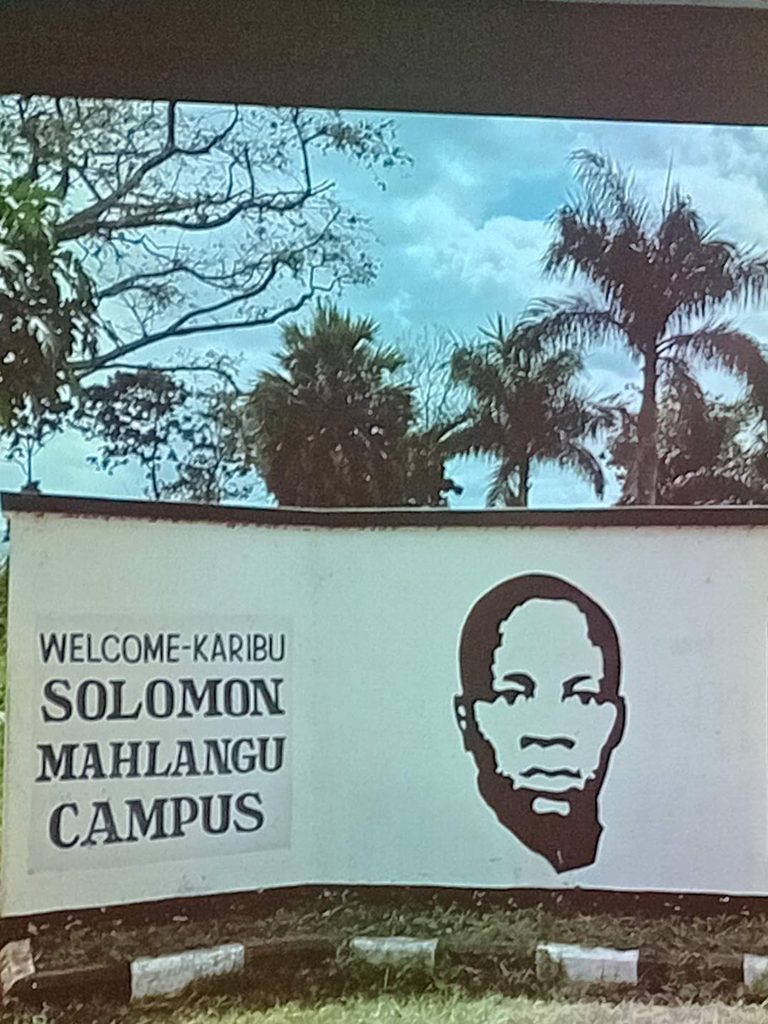
The infrastructure was self-contained, complete with decent sporting facilities, adequate accommodation for students and staff, class rooms suitable for teaching, a farm that produced food for the refugees, art facilities for self-expression and producing creative works, including a craft workshop.
These facilities I am describing above, were not in a new democratic country that had just freed itself from the burden of colonialism and apartheid restrictive laws. They were instead in Tanzania, where exiles, mainly from the ANC and others fleeing Apartheid found themselves in the 70s and 80s, during the height of internal conflict and repression in South Africa.
This picture of a modern infrastructure, quite progressive both from a social developmental and architectural perspectives, is well captured in the exhibition, titled Doors of Learning: Microcosm of a Future South Africa, currently running at Wits Origins Centre.
The exhibition opened on Tuesday, 29 September, 2026, attended by former refugees, academics and students from Wits, as well as historians interested in the history of the struggle for freedom in South Africa.
From the exhibition display itself, showing really advanced building plans, and text explaining the architectural traditions and practices that informed the marvel that was Solomon Mahlangu Freedom College (SOMFCO) and later expanding to Dakawa Development Centre nearby, you can tell that those behind this infrastructure were advanced in thinking about what a future South Africa must look like with regards to education and spatial planning.
In fact, this kind of progressive thinking and futuristic planning, was very much part of a well – entrenched tradition within black-nationalist movements, such as the ANC, as well as the Black Consciousness Movement under Steve Biko’s leadership and fellow activists.
With regards to the ANC, the organisation since its inception lacked other things, but not a leadership crop that was critical thinking and strategic when it came to the advancement of the oppressed through education and other initiatives. Think of the early leadership of the ANC, such as John Dube, Isak Ka Seme, Sol Plaatje, AB Xuma, Govan Mbeki, Walter Sisulu, Oliver Tambo and Mandela himself. These were intellectual power house of the ANC.
And so what happened when the ANC was in Morogoro Refugee Camp, particularly the building of the formidable infrastructure at SOMFCO and Dakawa Development Centre in Tanzania, cannot therefore, be separated from the traditions of the ANC as far as educational advancement and progressive futuristic ideas of what a free South Africa would be.
The text part of the exhibition informs the viewer that this infrastructure did not just happen organically. This happened through a combination of careful planning by the architects behind the technical production of the plans, progressive political ideas and foresight by the exiled leadership of the ANC led by Oliver Tambo, and perhaps most importantly, the role of Julius Nyerere, the late progressive leader of Tanzania, respected particularly for his Pan African ideas.
The text explains that Nyerere played a deliberate and intentional role of making sure that these developments happened by allocating land at Mazimbu, where this development unfolded. That was solidarity in action.
And also to reinforce that idea of international collaboration with exiled political exiles, the text foregrounds the exhibition by explaining elaborately that the plans for this infrastructure, were informed by the architectural traditions of the then Democratic Republic of Germany –East Germany then, that has since merged with West Germany to form the current united Germany. In fact, several institutions of East Germany collaborated in the planning of the Dakawa Development Centre in Tanzania, the text explains. This then explains the prefabricated panel construction system that was used in building the infrastructure of Dakawa.
But also the funding for the building of the infrastructure came mainly from Nordic countries, with Sweden playing particularly a leading role in mobilising funds from their active civil society organisations and ordinary Swedes.
And so, in a bid to assist South Africans during their time of need in exile, an African country provided the land, and mainly Nordic countries provided the funding that resulted in building a super structure that took care of the exiles with regards to education (There was a primary and secondary school on the premises), food and skills development.
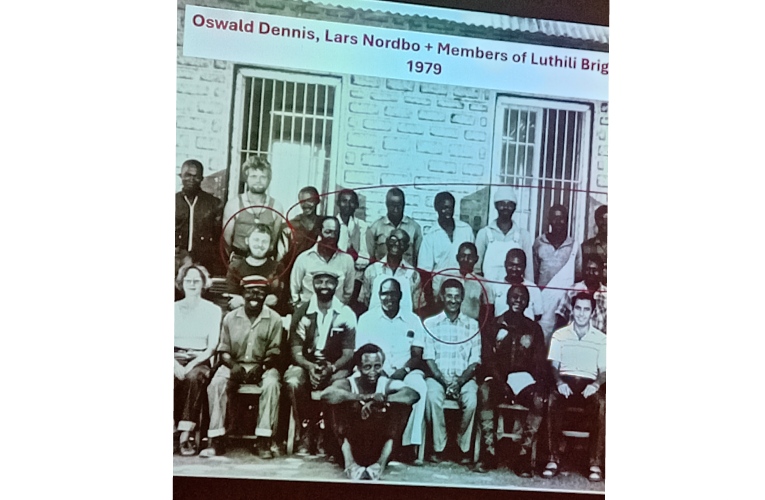
It also assisted immensely that those that led the architectural team were among the exiles that had the educational capacity to do so. Names of Oswald Denis, the late architect Zena Mvusi, and that of the first Chief Executive Officer of the Construction Industry Development Board in post-Apartheid South Africa, Spencer Hodgson, became prominent in leading the architectural designs of the facilities there.
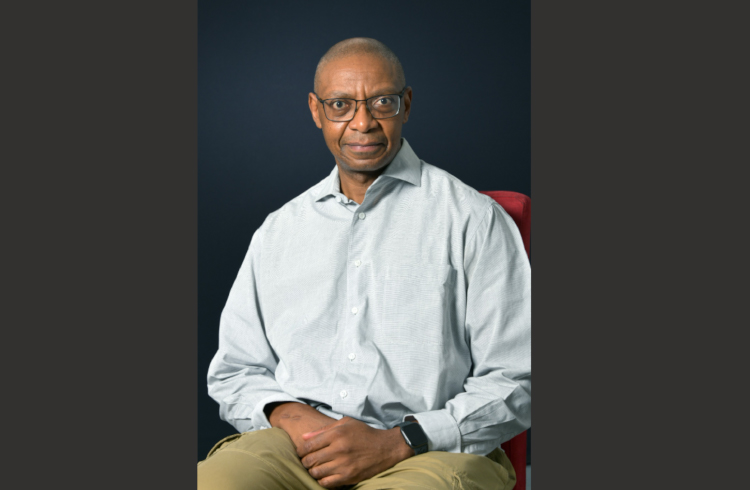
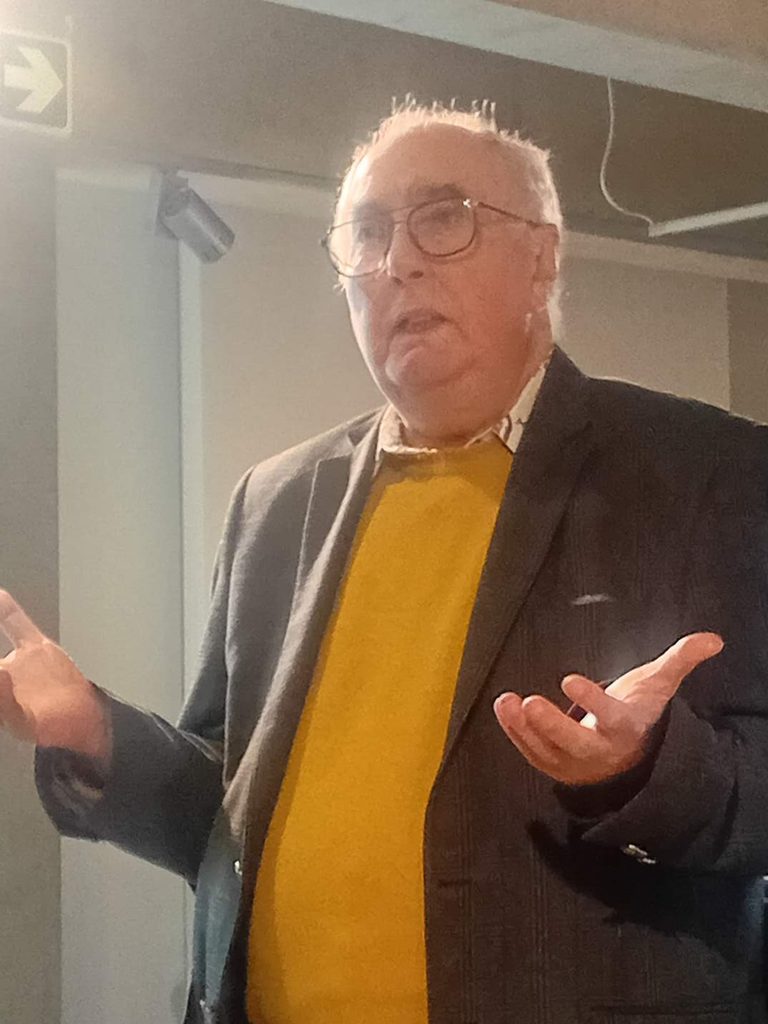
Spencer was at the opening of the exhibition, gave the background of how SOMFCO came about, praising particularly the assistance the exiles got from Tanzania as well as the role played by Oswald Denis, among others, in making this dream come true.
Personally I remember how during my brief foray in 2005, into the private sector coming from a newsroom background, had to thoroughly prepare before interviewing Hodgson in Pretoria in his capacity as the Chief Executive Officer of the (CIDB )for an industry publication. I had been forewarned that he was taught to talk to and does not suffer fools easily. This forced me to undertake thorough research about the construction sector in general, and the CIBD in particular, as I had no experience in the sector prior to this interview. He however made my job easier as he seemed to know what kind of information he needed to give me with regards to the build sector. He seemed to know a lot about the construction sector, certainly more than an ordinary ANC cadre deployee. I now know why after Tuesday’s opening of Doors of Learning: Microcosm of a Future South Africa.He is an architect after all.
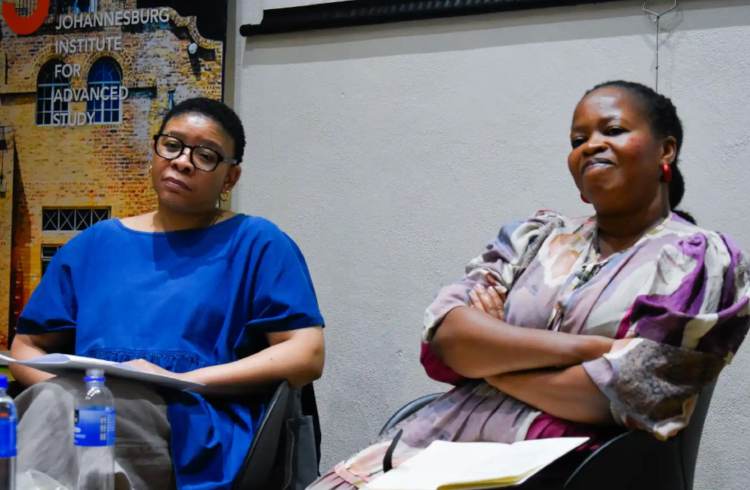
At the opening of Doors of Learning: Microcosm of a Future South Africa., Hodgson shared the panel discussion with fellow but young architects, Linda Mvusi, herself once exiled in Zimbabwe where she had a successful architectural practice before coming back home to South, is a sister of Zena Mvusi, and Wits architecture lecturer Jabu Makhubu.
And of course having been given an insight into the kind of progressive thinking and the resolve by the exiled ANC leadership and its team of technocrats behind the success of SMFCO and Dakawa Centre, it is clear that the tradition of critical thinking and strategic leaders was very much alive in exile. With little financial resources, but relying on the good will of funders from the Nordic countries, and the donation of land by the generous Mwalimu Nyerere, a super developmental structure that emphasised education and skills development for the youth was constructed, using the best of architectural designs available in the world at the time.
This then raises the question where are those progressive brains within the ANC in the past 30 years within democratic government, especially because it exile relying on donated land and funds from well-wishers, they were able to create uch a great opportunity for skills development and education in general for youg people fleeing Apartheid South Africa
At the opening event no wonder, one young person asked what had happened to the ANC leaders in democratic South Africa, who according to him, have built RDP houses that are architectural inferior, and yet in Tanzania, they had progressive ideas to take a free South Africa forward. No one answered that question.
However the answer perhaps lies in Hodgson’s closing of his opening remarks, when he asked a rhetorical question of whether as ANC leaders in post-Apartheid South Africa, they had succeeded when it comes to education advancement in a democratic South Africa.
This question becomes even more urgent given the reality that most of people occupying senior positions such as Director-Generals, Chief Executive Officers and board members of state entities and state enterprises in the past 30 years of democracy and ANC rule came from its ranks.
So, yes, it is relevant for Hodgson to have reflected rhetorically whether as leaders of the ANC they had or had not succeeded in the area of youth education and skills development in the past 30 years.
“The answer is no,” Hodgson answered himself.
Doors of Learning: Microcosm of a Future South Africa exhibition, which is at the intersection of politics, history and architecture, is worth visiting. Among other ideas, it leaves a view with the question of what would have unfolded in South Africa, if the same spirit that existed in the planning and execution of SOMFCO and Dakawa developments in Tanzania, existed in a free South Africa.