


Birthday tribute to a Kleva Black Zuko Rwaxa who left the corporate world for jazz
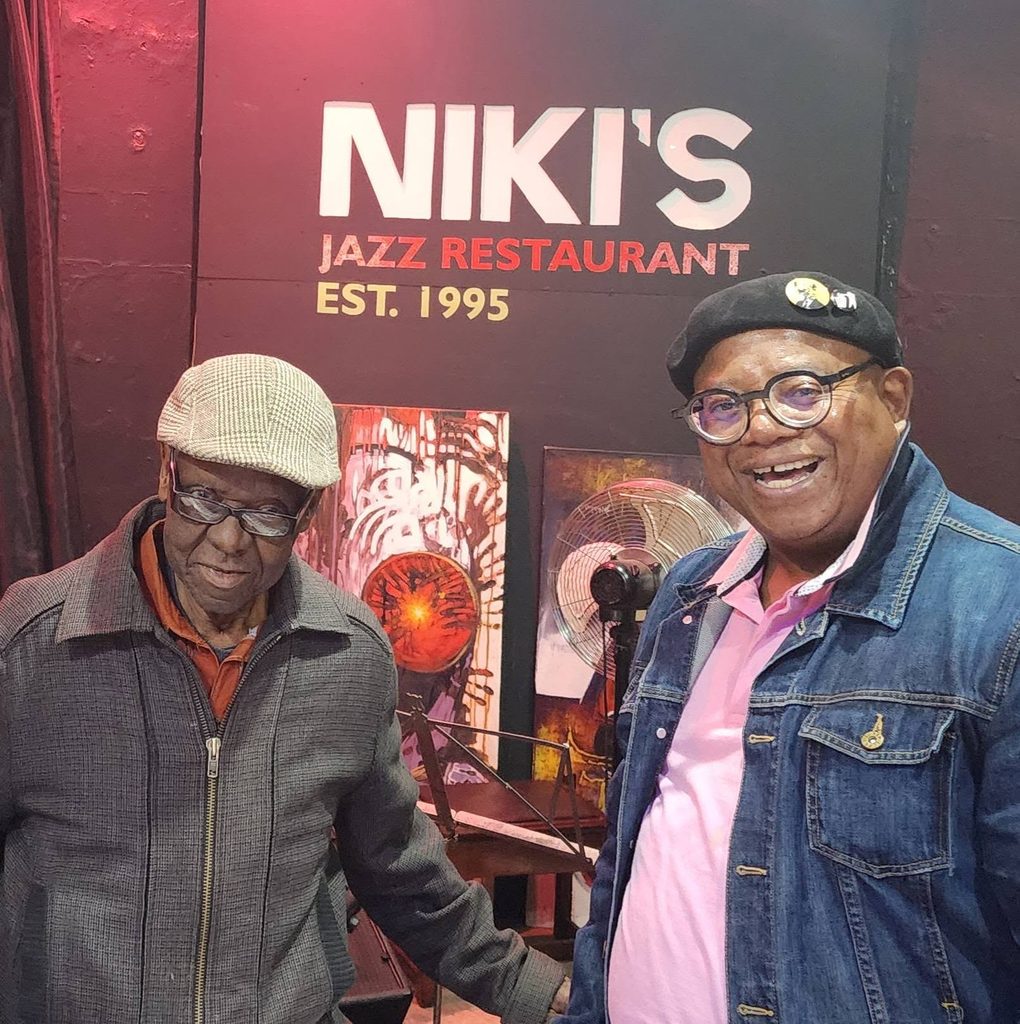
That year, while others were buying German sedans to drive ministers and joining new clubs where they were still waiters in spirit, this Kleva Black opened a jazz club cum restaurant.Not a tavern. Not a shisanyama with a loud DJ. A jazz club. Nikis Oasis named afterSimikiwe Sondlo, his wife and partner he married in 1995. A visionary co-founder and owner.
By Sandile Memela
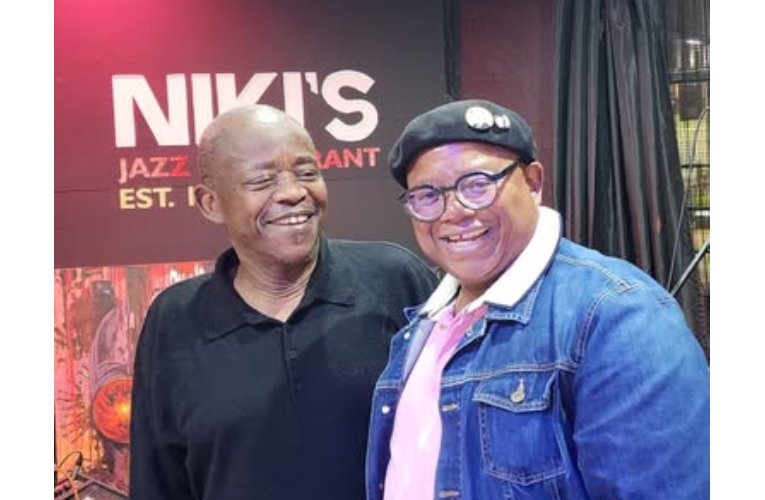
Main Pic; Zuko Rwaxa and Sandile Memela
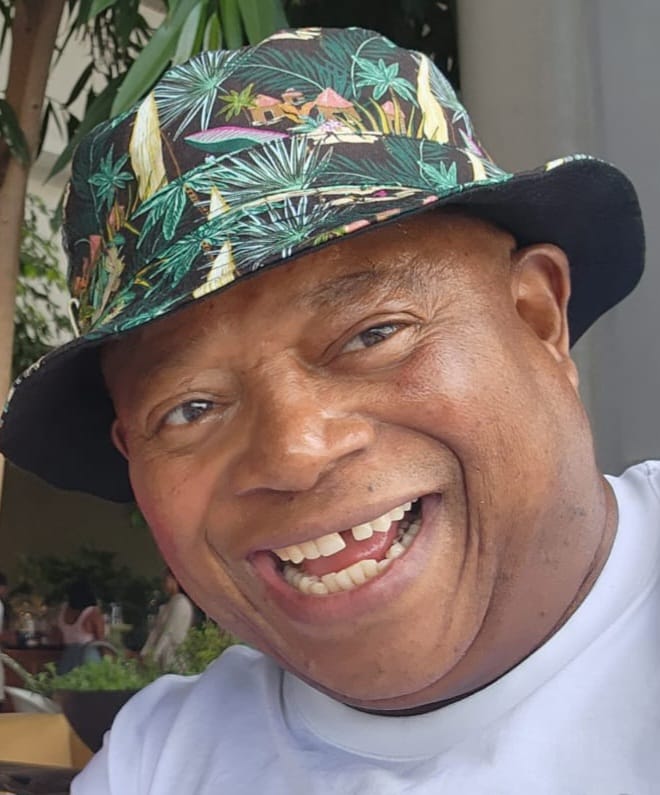
We know him. Every township has one. But Soweto makes them best. And Zuko Rwaxa is one.
A Kleva Black.
Not just clever. Kleva. With a K. Educated but not westernized. Suited but not sold. A Fort Hare man. Which is to say, a man trained to think before 1976 made thinking a crime.
He did what we were all told to do. He graduated from Fort Hare and joined corporate. He wore the tie. He sat in the meetings where he was the only Black face and was told to be grateful. He was good at it. Too good.
He left the African Bank to open a BP Franchise – Zuko’s Petroleum. Then he opened a Bakery and Nkululeko Guarding Services.
He later turned into a Business Consultant. This was when he helped secure a loan to open and launch Nikis Oasis.
And then, like all Kleva Blacks who refuse to die slowly, he dropped out. He got disillusioned.
In 1996.
1996.
Remember 1996? We were all reeling from the sounds of freedom that we did not quite understand. The new flag was flying. The new anthem was playing. Mandela was President. And Black people were free, but not free. Employed, but not paid. Voting, but not owning. We were told to celebrate, but our souls were bruised. We did not know what to do with this freedom that tasted so much like confusion.
Those that came back to take over leadership and power did not quite know how this country had changed.
That year, while others were buying German sedans to drive ministers and joining new clubs where they were still waiters in spirit, this Kleva Black opened a jazz club cum restaurant.
Not a tavern. Not a shisanyama with a loud DJ. A jazz club. Nikis Oasis named after
Simikiwe Sondlo, his wife and partner he married in 1995. A visionary co-founder and owner.
They were to provide a platform for artists to liberate their souls.
Think about that courage. In 1996, jazz was not business. Kwaito was business. Jazz was memory. Jazz was pain made beautiful. Jazz was the only music that could soothe the psyche of a people who had been told to forgive without ever being told what happened to them.
He kept it open. From 1996 to date. Through recession. Through hijackings. Through Covid. Through the nights when only five people came and three of them wanted to change the music. He held on.
Because it was never about money. It was about space.
He has used jazz to provide a space that would be home for Black artists, Black professionals and some political shakers to think aloud and know themselves better as people who betrayed their dreams.
In fact, it is an international venue. A sacred space that is open and home to everyone, irrespective of race or status.
That is the most honest line I have ever heard about us.
We betrayed our dreams. Quietly. Daily. We became what we fought against. We became directors without direction. We became comrades who no longer speak to each other except at funerals.
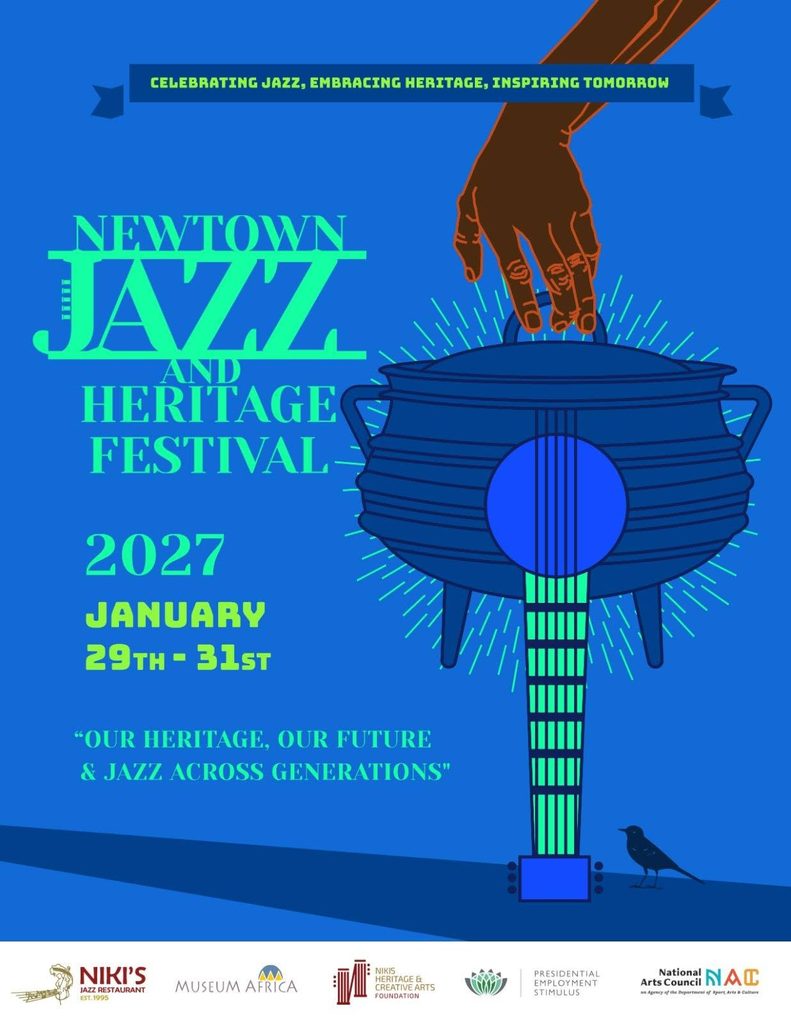
But in his club, for endless hours on a Friday, Saturday or Sunday night, when the saxophone cries and the bass walks like a tired worker coming home, we remember.
The artist on stage liberates his soul, and in doing so, liberates ours. The lawyer, the teacher, the former student leader now driving a minister, the nurse, the actors, the singers, the dancers – we all sit together, we drink something warm, and we think aloud. No speeches. No tender talk. Just Black and White and Coloured people listening to Black music in a Black-owned space, trying to find themselves again.
That is not a business. That is a clinic. That is a church. That is an archive.
You and Niki did not just open a restaurant, my brother. You opened a sanctuary for our betrayal and our becoming.
You are the highly educated Kleva Black who refused to be educated out of his people. You left corporate but you never left Soweto. You went to Fort Hare but you brought Fort Hare back home.
On your birthday, we don’t just celebrate your age. We celebrate your staying power.
In a world where everyone is selling out and moving on, you stayed. You kept the doors open. You kept the music playing. You kept a light on for us.
Happy Birthday, Zuko Rwaxa, the Keeper of the Sound. Protector of Dreams. To the Landlord of Our Souls.
May the music never stop. May the platform never fall.
Soweto thanks you. Newtown thanks You. Jozi thanks you. Jazz thanks you. The Black soul thanks you.
Salute! Zuko Rwaxa