




Good vibes in Newtown as Jazz, Theatre and the Spirit of Sophiatown revue mesmerises at Market Theatre and protesting artists score victor next door at National Arts Council
By Edward Tsumele, CITYLIFE/ARTS Editor
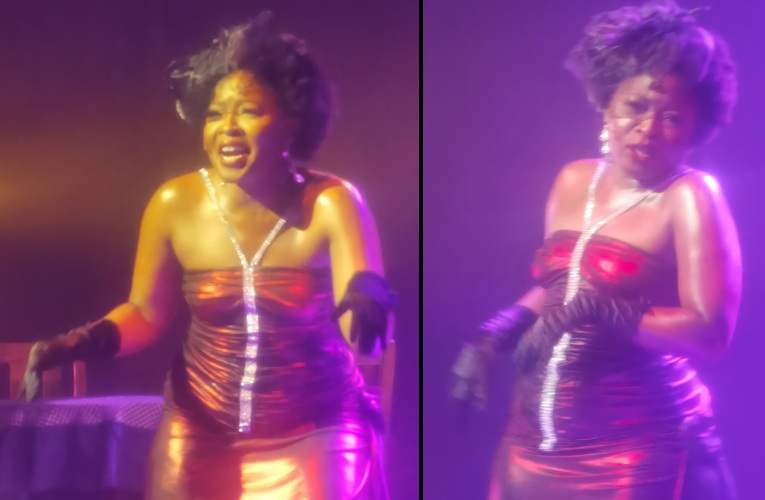
Forgive my ignorance on this one. All along, I had mistakenly thought that Lerato Mvela was only an actress. But on Tuesday, September 15, 2025, in the John Kani Theatre at the Market Theatre, she demonstrated to me and the cultured folk that attended the show another side of her art practice. She killed it as a singer and dancer. She managed to make us relive and reimagine at the same time what life was in Sophiatown, a suburb of the 1950s that gave apartheid authorities of then a headache. The mixed race shantytown was too much for them to the extent that at the end they razed it down, relocating people to different places based on their race.
I can tell you at that very moment, in Mvelase, I saw a shebeen queen. I also saw Miriam Makeba, the late music icon. She sang and danced so beautifully that those two characters fitted her so perfectly that we, the audience at that very moment thought and felt that we even lived in Sophiatown.
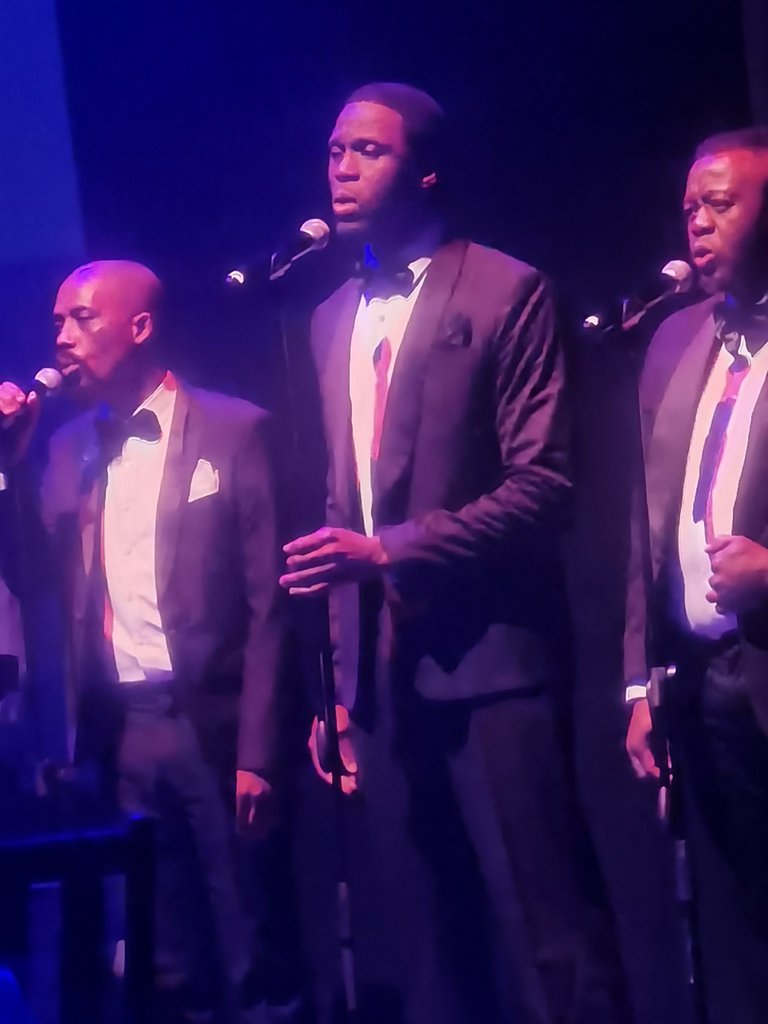
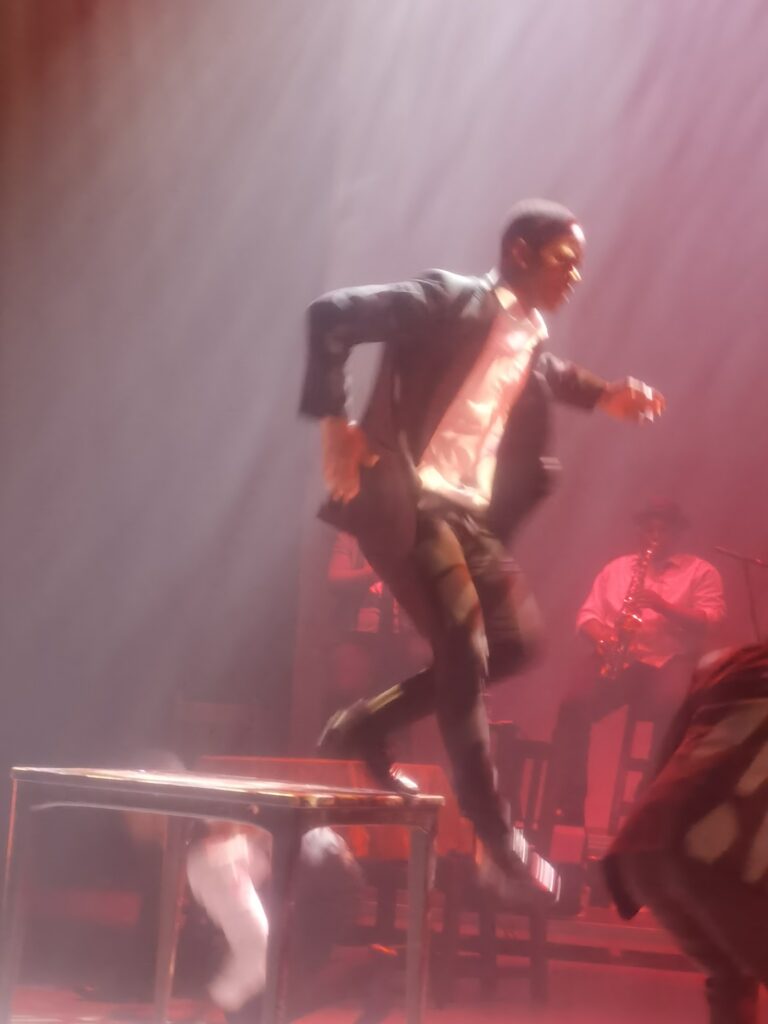
Okay, yes, to be fair Mvelase was not the only one on stage that did wonders. Actually all the dancers, singers and what a view on that stage put up a stunning performance for the evening that left many wondering as to what could have been possible in this country culturally speaking, and what never happened in democratic South Africa.
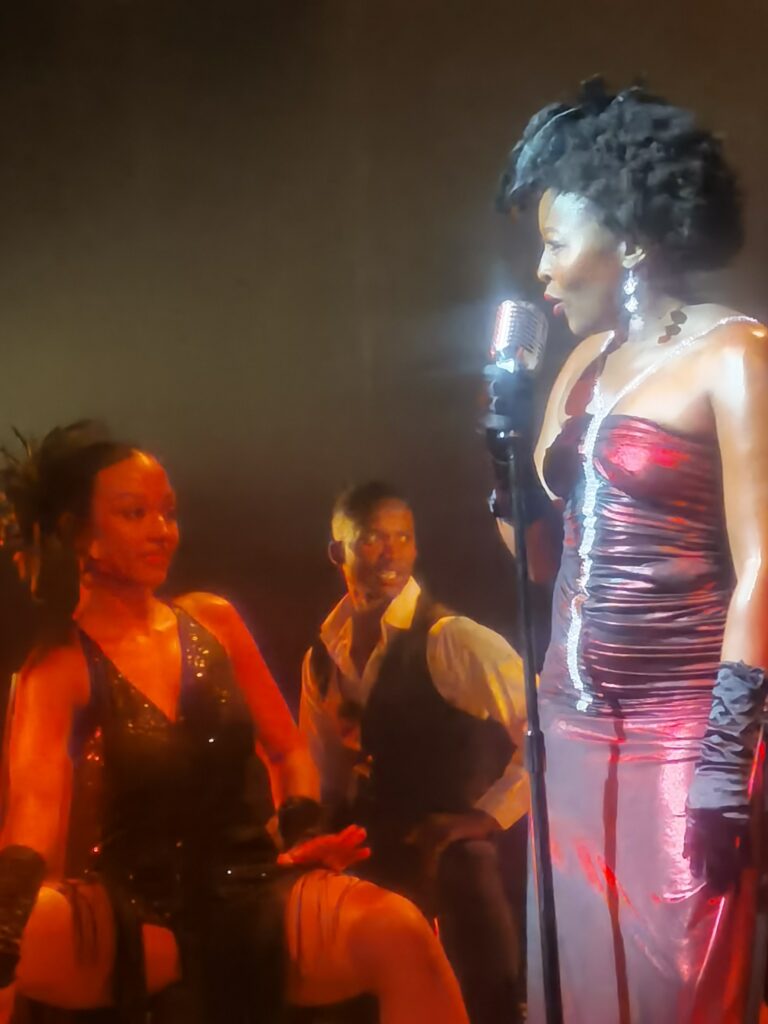
It is just that Mvelsae’s performance was for me outstanding and stunning.
“Actually I am a singer before I am an actress,” she bodily told me at the foyer after the show when I confessed to her that I never thought of her having the ability to sing besides acting.
To simply state that the audience was entertained fully is an understatement. The show was slick, clean, short and just near perfect. Celebrated internationally acclaimed choreographer Gregory Maqoma did a good job here.
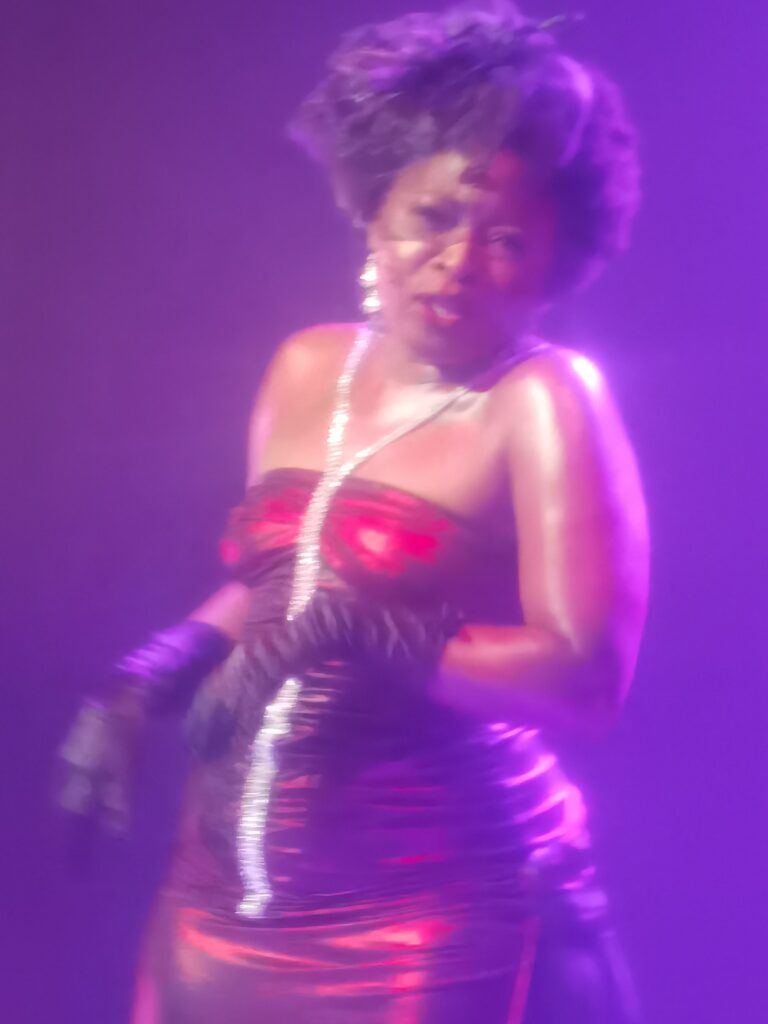
I can tell you that the folk that were in that theatre at that very moment, even forgot their differences in life and almost thought that we live in a perfect country, perfect society where there is no corruption, erratic water supply, greedy comrades and crooked politicians. We almost forgot that barely 100 metres away, enraged artists were engaged with bureaucracy to get them to do their job and make the life of artists easier.
For as we enjoyed ourselves in the theatre as the back of my mind, I was also wondering what the outcome of the negotiations going on between the two parties would be. Here I am talking about the artists who had occupied the National Arts Council offices since Tuesday, protesting that management at that government agency responsible for disbursing funds to creatives do the right thing that would make the life of creatives much easier.
And therefore I was somehow distracted a little bit when I saw a WhatsAPP message on my phone, a message that suggested that there was an agreement between the two parties and it read as follows:
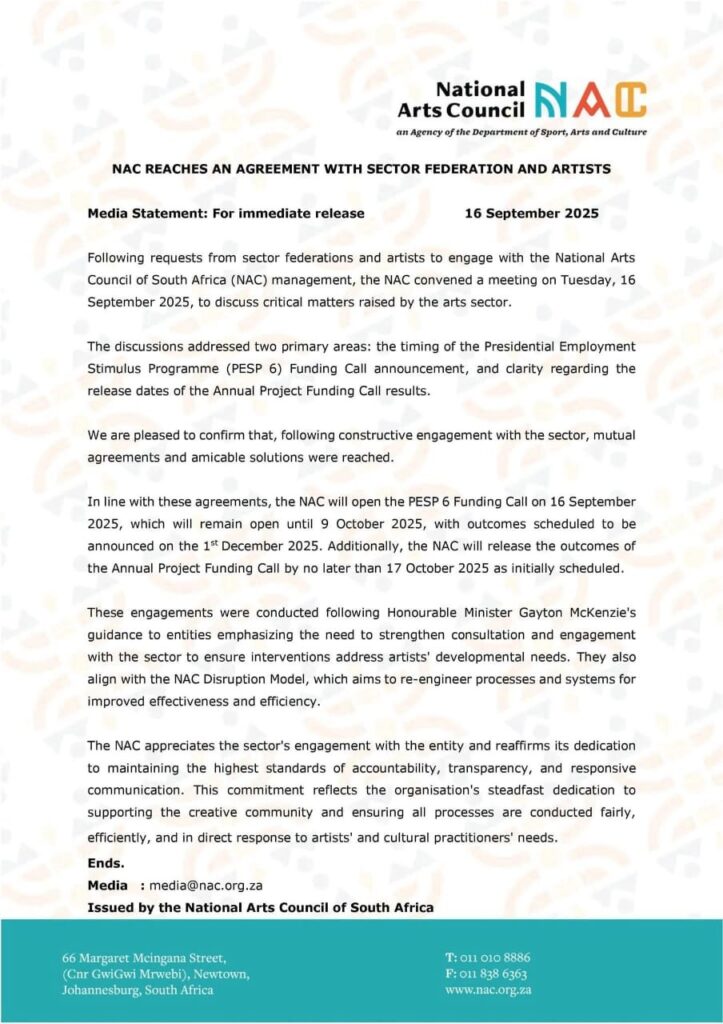
I almost jumped over my seat as not only did I at that moment appreciate the artistry on stage, but also what had just happened next door at the National Arts Council offices where a ground breaking agreement between the warring parties had just been reached at that very moment. Romeo Ramuada and his mates had forced in two days of hard negotiations and occupying the offices of the National Arts Council, the agency’s management do what it has failed to do in the last eight months of this year.
And Okay back to the show. This performance was actually a prelude to the Standard Bank Joy of Jazz which runs in Sandton from 26 – 28 September 2025, directed and choreographed by the 2002 Standard Bank Young Artist for dance, Gregory Maqoma.
Actually this year’s Follow the Blue Note series echoes the soundtrack of each city: in Durban, audiences celebrated the coastal rhythms and spiritual genius of Bheki Mseleku (September 4), while in Cape Town, jazz lovers relived the township pulse and resistance spirit of Abdullah Ibrahim’s evergreen anthem Mannenberg (September 10).
Billed as an immersive jazz-dance experience in which dance becomes a language of resistance, style, and sensuality, the show is set in a shebeen, which was not only a place of revelry but one of subversive intellectualism. Appropriately, the set augmented with film and photography stills from the Drum magazine archive, creating an intertextual experience for the viewer that allows them to soak in the motifs of this era while appreciating a wide spectrum of historic South African sounds.
“It’s the patrons that bring the shebeen alive,” says Maqoma, emphasizing that musical director Viwe Mkizwana (a double bassist by profession), will aim for a balance between the anchoring, sobering effect of the double bass and the lively ebullience of horns.
Broadly, the show unfolded in three segments; the first looking at Sophiatown as a place of cultural sophistication, the second emphasizing the shebeen as a sanctuary of music, story and sound, and the third, emphasizing the afterlife of Sophiatown as its residents are dispersed into townships. Gluing these segments together was the multi-talented veteran actress Lerato Mvelase, holding court in the manner of Miriam Makeba in Lionel Rogosin’s Come Back, Africa. Maqoma imagines Mvelase as part chanteuse, part historian and the locus around which the choreography unfolded.

Born in Soweto in 1973, the spectre of Sophiatown looms large over Maqoma’s oeuvre. In 2017 he returned to the subject with King Kong, staged at the Fugard Theatre in 2017. Based on the historical musical of the same name which served as a launching pad for Miriam Makeba’s international career, Maqoma’s approach is to find ways in which depictions of Sophiatown can live in the present-day context. Towards this end, a five-piece band beautifully used music as a marker of memory and the passage of time, tracing the kwela stylings of Spokes Mashiane and the culture that emerges after the forced removals of the 1950s and 60s. A song like Meadowlands, composed by Strike Vilakazi and popularized by the likes of Dorothy Masuka, is a fine example of music keeping memory and time while exhorting audiences to join in the fun.

So what exactly can Sophiatown, which runs the risk of overexposure, offer the present moment? “For one,” says Maqoma, “it can teach us something about gathering without fear, creating a space for all cultures to emerge and live with each other – a sophisticated way of living but also rooted in culture.”

At the very least, Jazz, Theatre and the Spirit of Sophiatown almoist perfectly allowed us, the audience to take in just how far the heritage of South African jazz stretches and how traces of Sophiatown remain visible in the music we hear today.
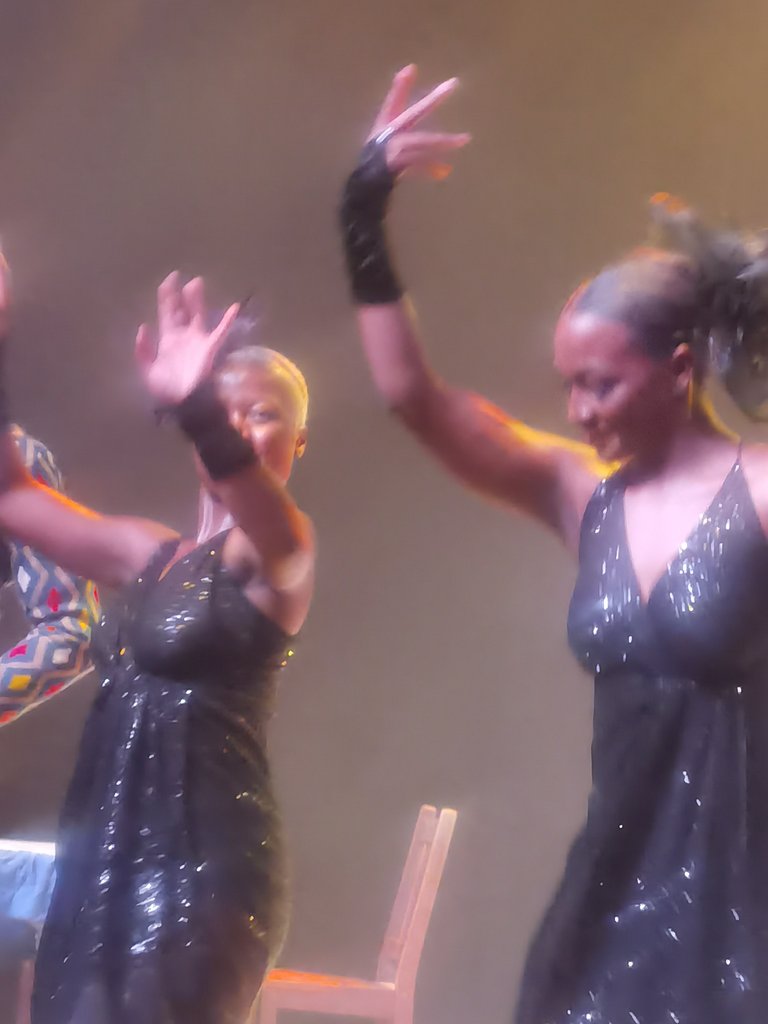
In short it was an evening of good music, connecting and networking. But remember this is just a taste of what we should expect at this year’s Joy of Jazz festival taking place next week.
The Standard Bank Joy of Jazz takes place from 26 – 28 September at the Sandton International Convention Centre. Tickets are available through TICKETMASTER: www.ticketmaster.co.za. Standard Bank cardholders qualify for a discount of up to 15%*. The offer is limited to two tickets per person, and only on usage of a valid Standard Bank debit, cheque or credit card and is subject to availability. Terms and conditions apply.