


Icelandic artist Erla S. Haraldsdóttir launches a new book on Khoisan rock paintings at Wits Origins Centre
“The artist donated some of the work from the exhibition to Wits Origins Centre, now proudly forming part of its permanent exhibition. When next time you visit the Wits Origins Centre, it will be worth your while to check out that body of work a site specific responsive triptych titled Here Are We created by Erla Erla S. Haraldsdóttir
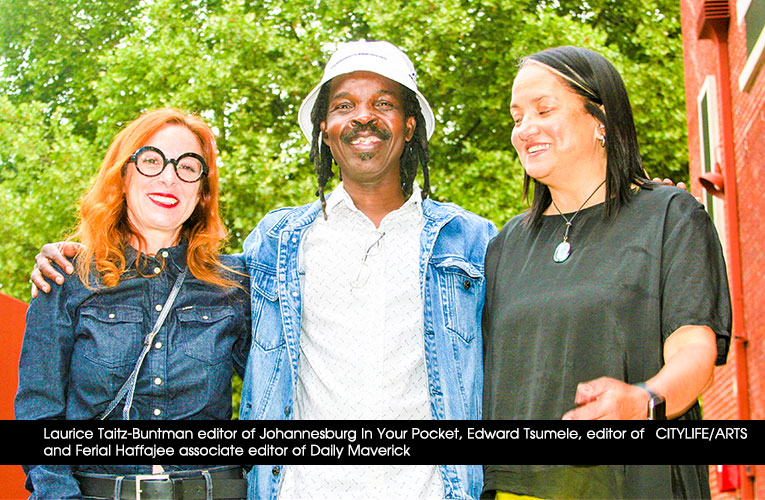
By Edward Tsumele, CITYLIFE/ARTS Editor
Early this year, Icelandic artist Erla S. Haraldsdóttir was in the country at the opening of her exhibition at Origins Centre at University of Witwatersrand. The exhibition, inspired by the rock paintings of the Khoisan communities in South Africa, was a site responsive installation, which attracted a lot of interest from the public, as it demonstrated the fact that the tradition of painting is a long one in southern Africa as the Khoisan, who created the rock paintings, did so for spiritual reasons, proving the close spiritual link between the Khoisan and animals that they painted.
After vising a site where the Khoisans left their marking on caves in 2019, Erla then created abstract paintings, interpreting the paintings that she studied and investigated, to produce a powerful body of work that constituted the exhibition titled Visionary Animals – Light Moving Across Stone and Canvas. But that journey into the scared spaces of the Khoisan people, was not a random undertaking by simply a curious artist. It was after a dream of her own, that led her into the land of the Khoisan ancestors in South Africa, she told CITYLIFE/ARTS in an interview during the run of the exhibition. That dream led her to investigate the art, life, and traditional ways of life of the Khoisan people of South Africa.
She travelled deep into the Khoisan culture and their way of life by studying rock art – rock engravings left behind by the ancestors of the present-day Khoisan people of South Africa. “But when I was there studying the rocks, the engravings, and the caves, something touched me. I felt at peace with the atmosphere of the environment,” Erla told CityLife Arts in an interview during the run of that exhibition. But before the artist pursued her current body of work, which forms part of the series of that dream, she created another body of work back home titled my Mother’s Dream.
That work was created following the release of a book in several languages, including, of course, Icelandic, English, and surprisingly isiNdebele, spoken mostly in the Eastern part of South Africa. The book is also titled My Mother’s Dream. However, by bringing in the Khoisan perspective, this series has assumed a new complexity and a local flavour. The body of work forms part of her exhibition that ran at Origin Centre, a museum that centres mainly on work related to Khoisan ancestry, particularly their rock art. I had an opportunity to visit that exhibition, and I was struck particularly by the fact that the work fits so well with the structural design of the building housing the Origin Centre.
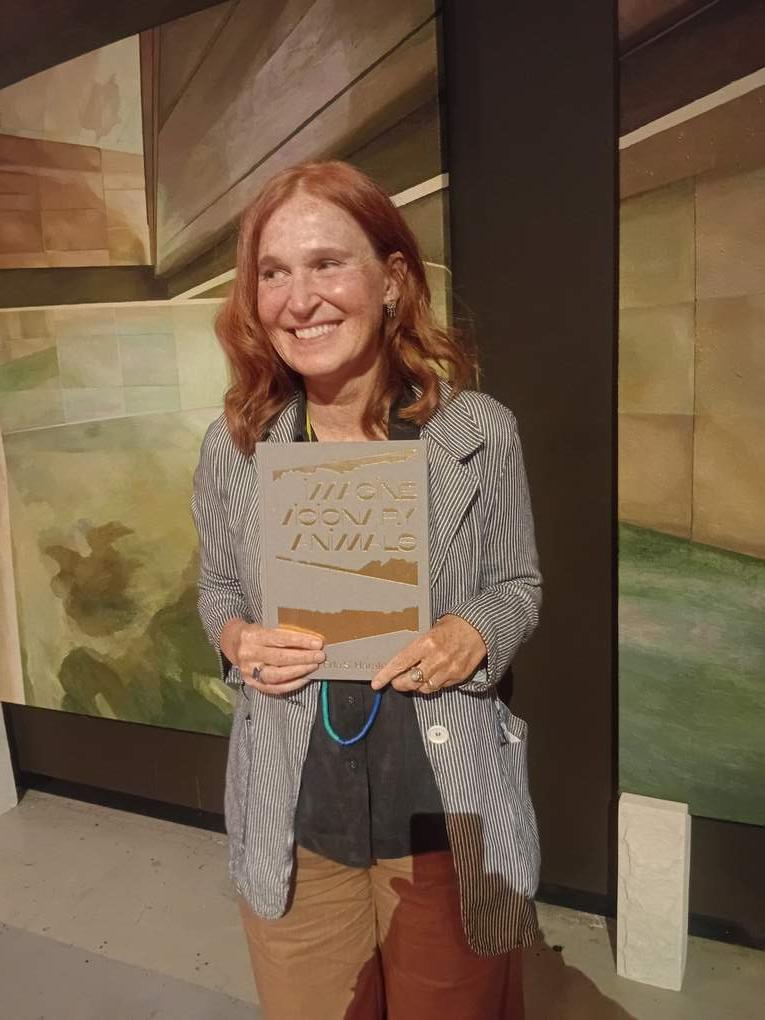
That was however then, but now, there is good news for those that may have missed that exhibition. This is because the artist has released a coffee table book, that contains the images from that exhibition, and which also has text by leading scholars reflecting on the exhibition in particular, and the rock art practices of the Khoisan people in South Africa in general.
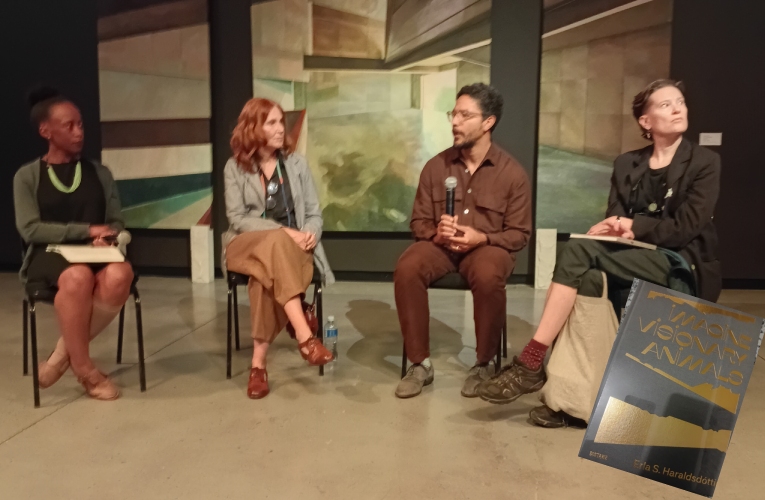
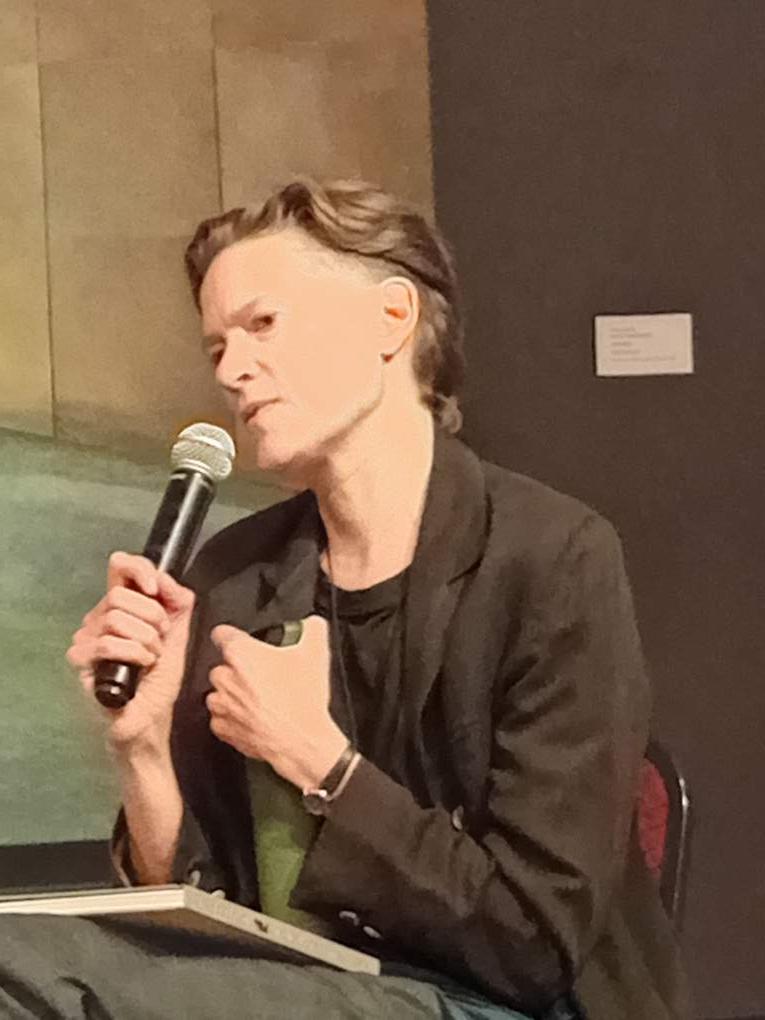
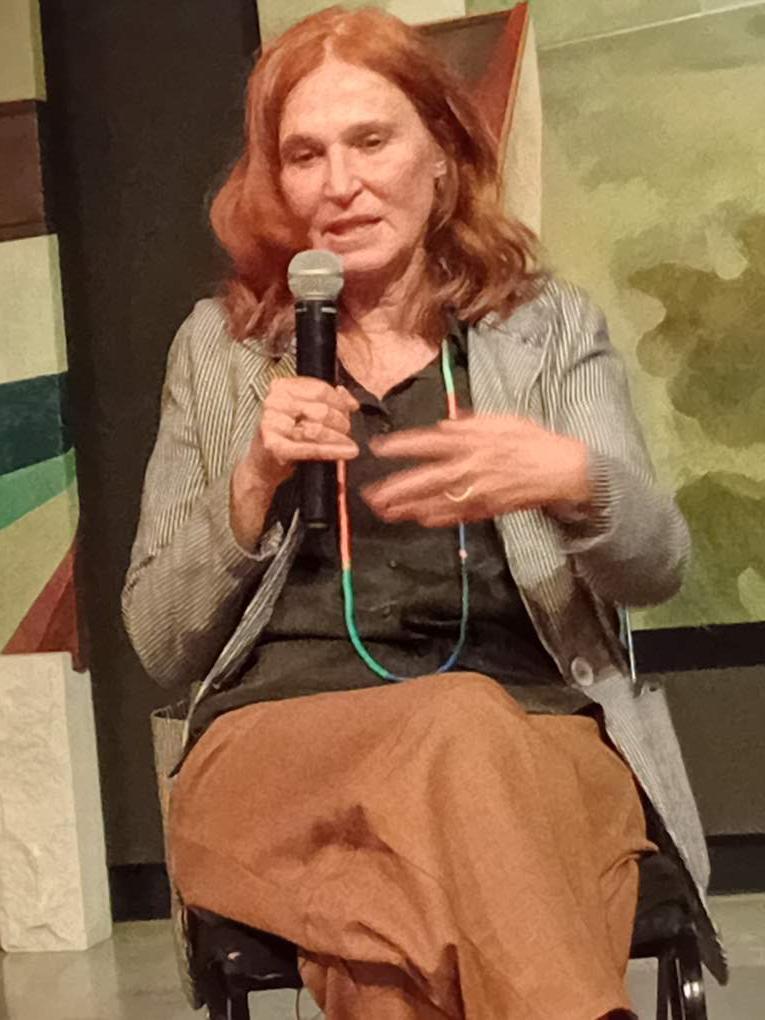
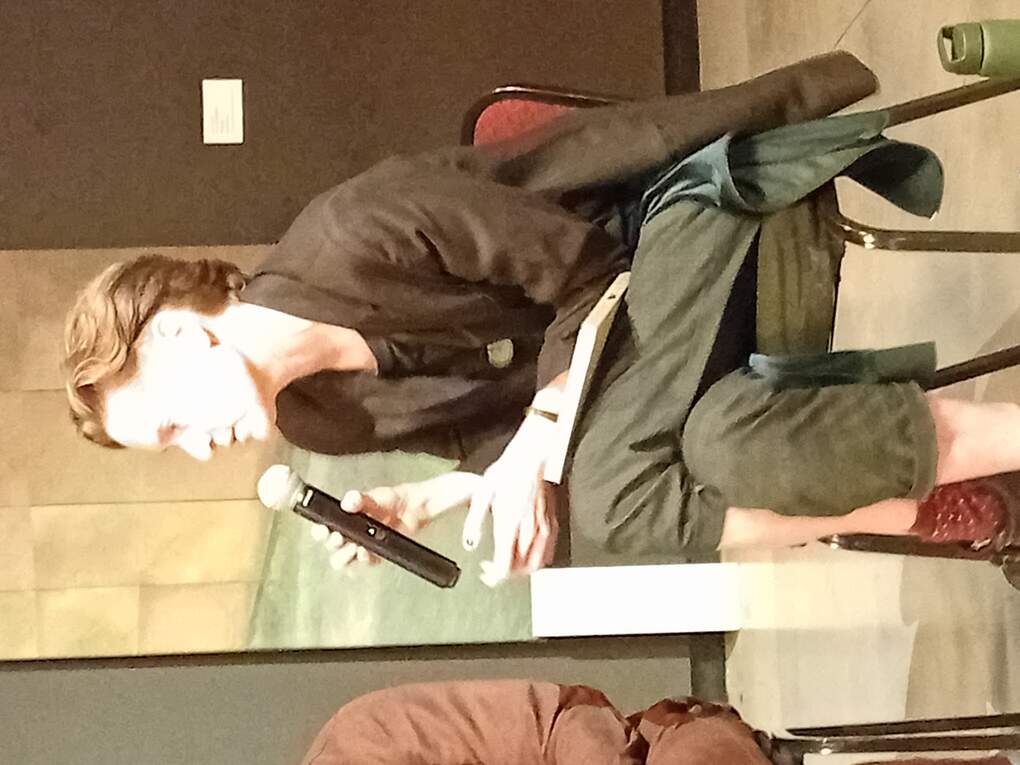
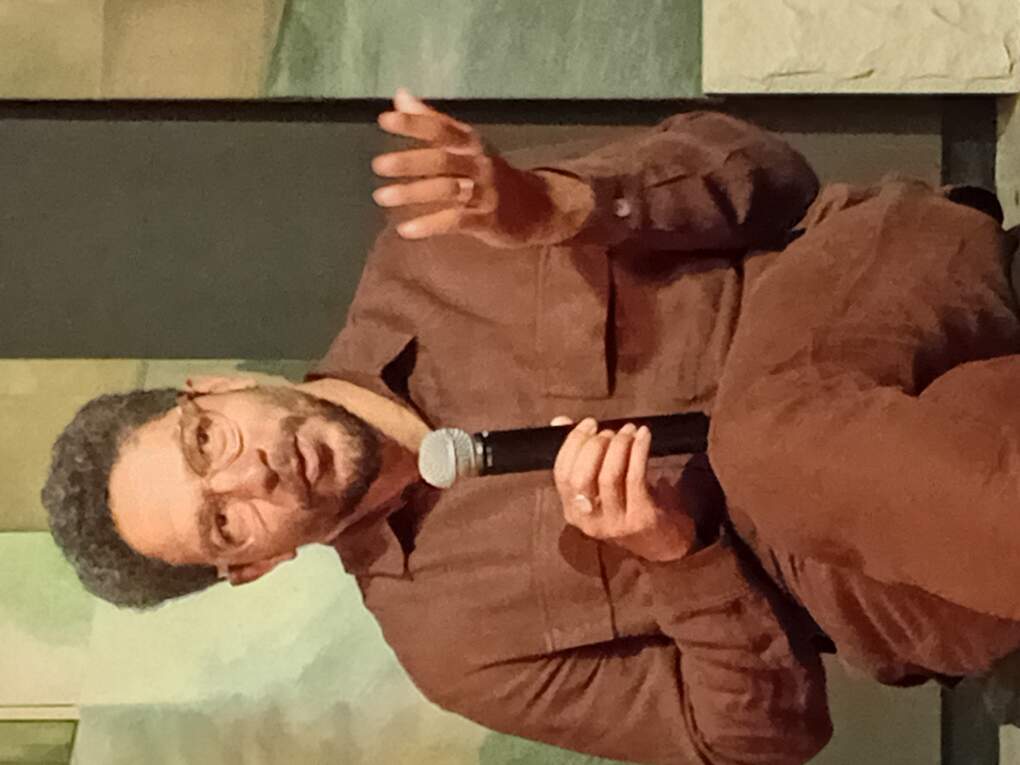
The book titled Imagine Visionary animals, was launched this week on Wednesday, 23 September 2026, at Origins Centre at Wits, where Erla, art historian and author of a book on Ndebele art titled Assemblages of Belonging: Murals, Beadwork, and Ndebele Identity in South Africa, Dr Caniv Boyd, and Wits art academic Dr Bettina Malcomess from Wits School of Arts, constituted a panel to speak about the book as well as the exhibition that led to the publication of this book.
The discussion was facilitated by Bag Factory Programmes Manager Ntshadi Mofokeng. “Visiting the Khoisan carves had a profound effect on my art practice. I know this sounds like a cliché, but the fact of the matter is I felt touched and the effect on my practice after that experience was profound,”Erla told the audience that attended the launch Imagine Visionary Animals.
The artist donated some of the work from the exhibition to Wits Origins Centre, now proudly forming part of its permanent exhibition. When next time you visit the Wits origins Centre, it will be worth your while to check out the site-response triptych Here are We. Imagine Visionary Animals is published by DISTANZ in Berlin, Germany, and now available in South Africa. If interested in buying a copy, inquire from your local bookstore for its availability.”
The book retails at R490 and is available at the Wits Origins Centre shop.