










Jaws is a timeless masterpiece that continues to grip viewers with its primal fear of the unknown lurking beneath the surface
By Funeka Bambalele

Film Title: Jaws 50th Anniversary
Film Release: 29th of August
The fact that I sat on the edge of the seat for 2hours and 3 minutes watching Jaws 50th Anniversary speaks volumes about the film’s enduring power to evoke visceral tension and primal anxiety.
Jaws 50th reminds us that sometimes, what we don’t see is far scarier than what we do. That feeling of suspense, of being caught unaware by a lurking menace, lingers long after the credits roll. It is not just a thriller but an experience that makes you feel vulnerable, and intensely aware of the primal fears we all harbour.
The film premiered in 1975, and it returns as part of 50th Celebration in 2025 with a special theatrical re-release. It was released in local cinemas from August 29.
Jaws is a timeless masterpiece that continues to grip viewers with its primal fear of the unknown lurking beneath the surface. It’s a testament to Steven Spielberg’s masterful craftsmanship that, even after all these decades, the film still manages to make your heart race and your palms sweat.
More than just a fearsome creature flick, ‘Jaws’ ignited imaginations—fostering a fascination with the ocean’s mysteries and sharks’ misunderstood nature. The film’s themes of survival and the battle against nature’s unpredictability remain strikingly relevant, reinforced by the powerful score that amplifies suspense and emotion.
What struck me most about Jaws is how it expertly balances suspense and character-driven storytelling. The film’s tone is carefully calibrated initially playful and sun-drenched, gradually transforming into a nightmare of paranoia and survival.
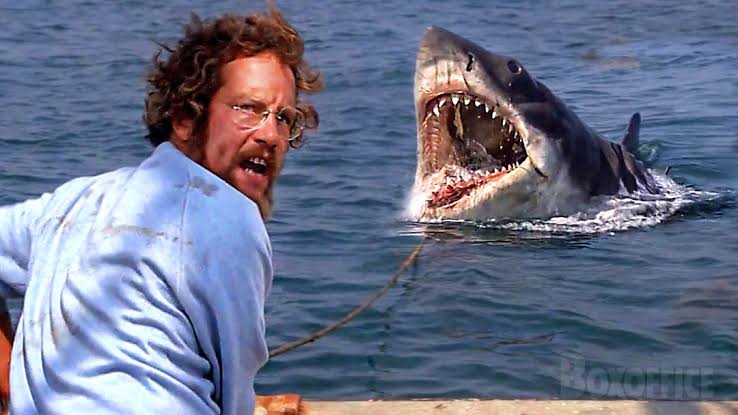
Jaws 50th Anniversary is a masterful tribute to a film that not only changed cinema but also embedded itself into the cultural subconscious as an unyielding symbol of primal fear and human resilience. Celebrating half a century since its release, this documentary is more than a retrospective—it’s an immersive journey that navigates the treacherous waters of filmmaking, legacy, and the enduring power of storytelling.
The plot is around a New England beach town of Amity Island, where a young woman goes for a late-night ocean swim. An unseen force attacks and pulls her underwater. Her partial remains are found washed up on the beach the next morning. After the coroner concludes it was a shark attack, Amity police chief Martin Brody plans to close the beaches.
From the moment the film unfolds, there’s a palpable sense of reverence for Spielberg’s pioneering vision. The acting is grounded and authentic, especially Roy Scheider’s portrayal of Chief Brody, whose everyman vulnerability makes the terror feel personal. The characters’ reactions to the unfolding horror are relatable, anchoring the film’s suspense in genuine human emotion rather than just spectacle.
As much as ‘Jaws’ is a technical marvel, its true power lies in its emotional resonance. It’s a film that taps into our collective fears and fascination with the unknown, evoking a visceral response that lingers long after the credits roll.
One of its major highlights is the iconic score, composed by John Williams, isn’t just a musical motif. It’s a pulse that quickens with every ominous water ripple, making the unseen threat even more terrifying. Cinematography and production design deserve special mention. The way the camera captures the vast, unpredictable ocean amplifies our sense of helplessness and isolation. The practical effects, though modest by today’s standards, contribute to a raw, tangible sense of danger.
In reflecting on its legacy, ‘Jaws’ remains an iconic film fifty years on because it expertly combines innovation with universal themes. It teaches modern filmmakers invaluable lessons in teamwork, resourcefulness, and storytelling restraint—reminding us that sometimes, less is more. Its influence extends beyond cinema, permeating pop culture and inspiring generations of filmmakers and storytellers.
All in all, Jaws is more than a movie; it’s a cultural phenomenon that continues to captivate, inspire, and provoke thought. Whether through watching it, revisiting the original, or eagerly awaiting its sequel, audiences are invited to dive into its depths where timeless themes of survival, teamwork, and innovation still resonate powerfully.