


Khanyisa Brancon’s exhibition Garingani Wa Garingani makes the viewer to move through forms evoking both loss and continuity, heritage and innovation
By CityLife Arts Writer
BNAP Foundation presents Garingani Wa Garingani, a solo exhibition by Khanyisa Agnes Brancon, the 2025 Blessing Ngobeni Art Prize winner. The exhibition is currently running at the Everard Read Gallery in Cape Town.
“Through this work, I offer my own voice to the chorus of ancestral storytelling, adding my chapter to the ongoing epic of human migration, cultural adaptation, and the eternal search for home,” Brancon says.
These words set the tone for a body of work that moves fluidly between memory and presence, between the red earth of Tzaneen and the concrete arteries of urban life. Garingani Wa Garingani is an offering to the maternal lineage that flows through her like a river, each woman a tributary, each choice a bend in the waterway shaping identity.
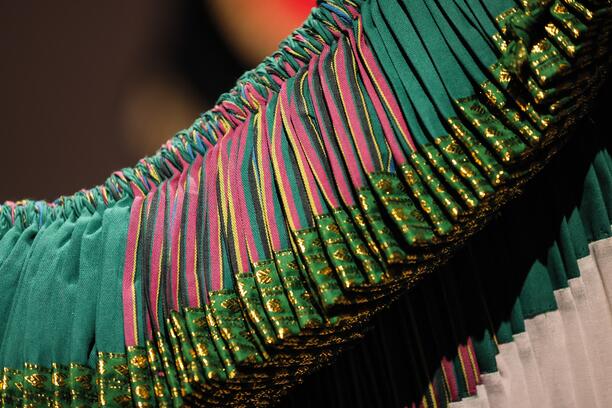
The title itself carries the weight of ancestral breath. In the Tsonga tradition, these words are not simply an introduction but a sacred invocation, a call that opens a doorway between worlds. They summon the voices of those who have walked before us, whose stories are interwoven into the fabric of our being. In Brancon’s hands, the phrase becomes both gesture and meditation, a way of threading the past into the present, building a bridge toward the future. Each photograph, print, and sculptural installation is imbued with this consciousness, a testament to how memory and history persist through time and space.
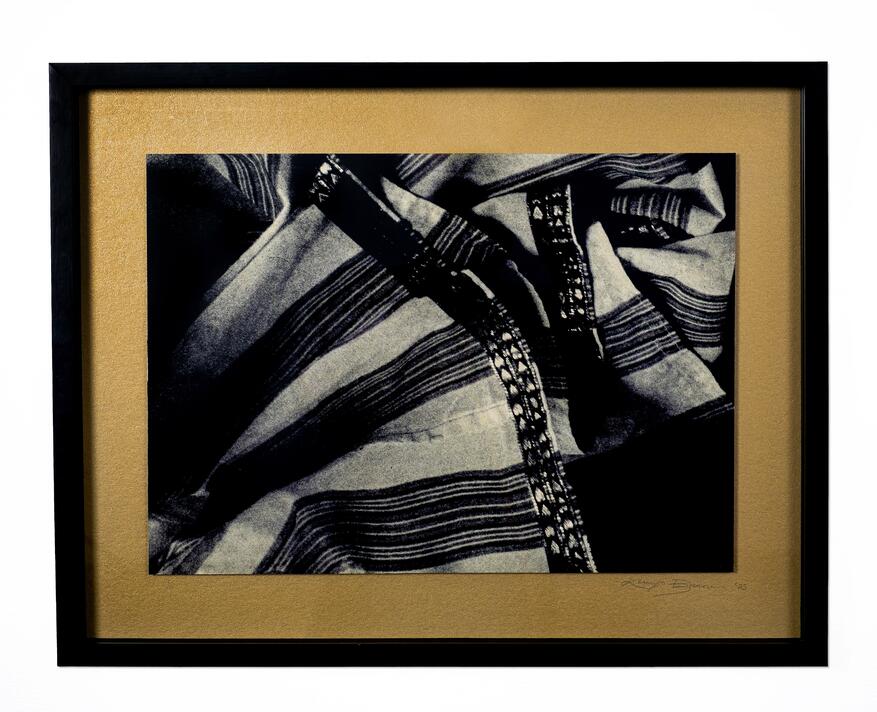
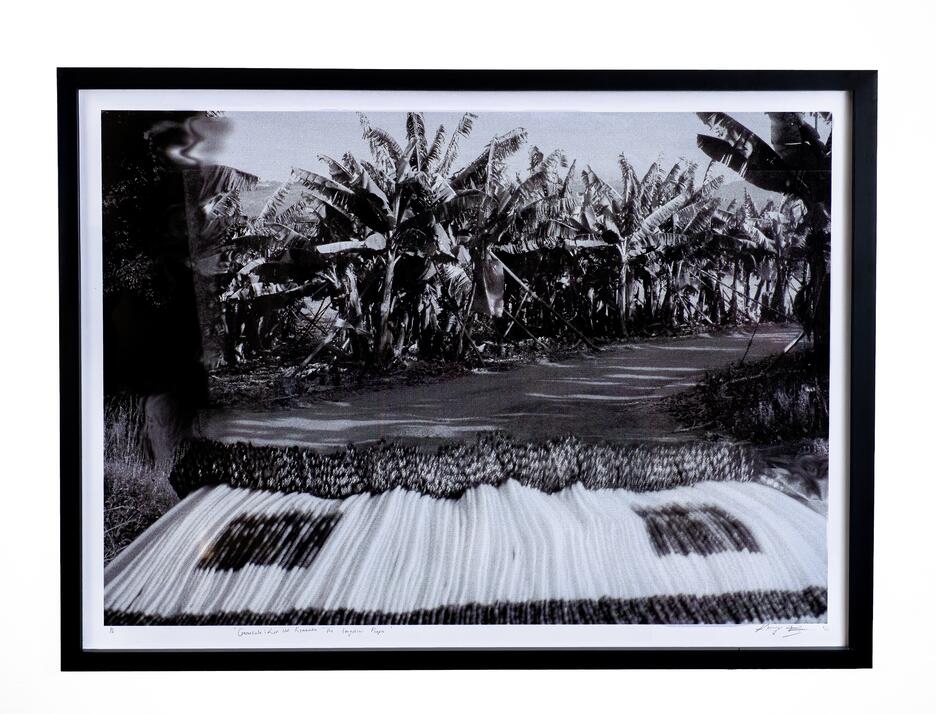
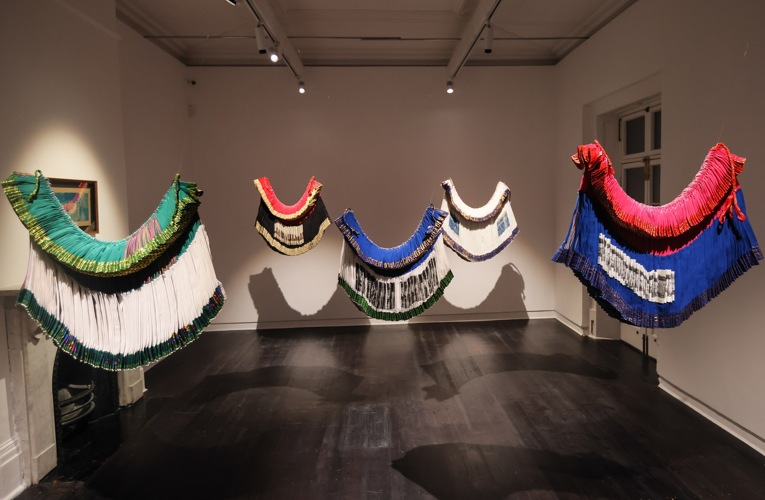
The exhibition unfolds across three interconnected realms. Photographic dialogues capture fleeting gestures, intimate glances, and moments of quiet reflection, holding them in a delicate tension between visibility and absence. These images invite viewers to witness life as it slips between the tangible and the ethereal, preserving fragments that might otherwise dissolve into memory. Printmaking allows Brancon to layer meaning, texture, and temporal depth into each piece, echoing the sedimented accumulation of history and the nuanced complexity of identity. Sculptural installations create physical spaces where presence and absence converge, where the viewer can move through forms that evoke both loss and continuity, heritage and innovation. The interplay of these media forms a narrative that began long before Brancon’s birth and will continue long after, a dialogue that spans generations, cultures, and geographies.
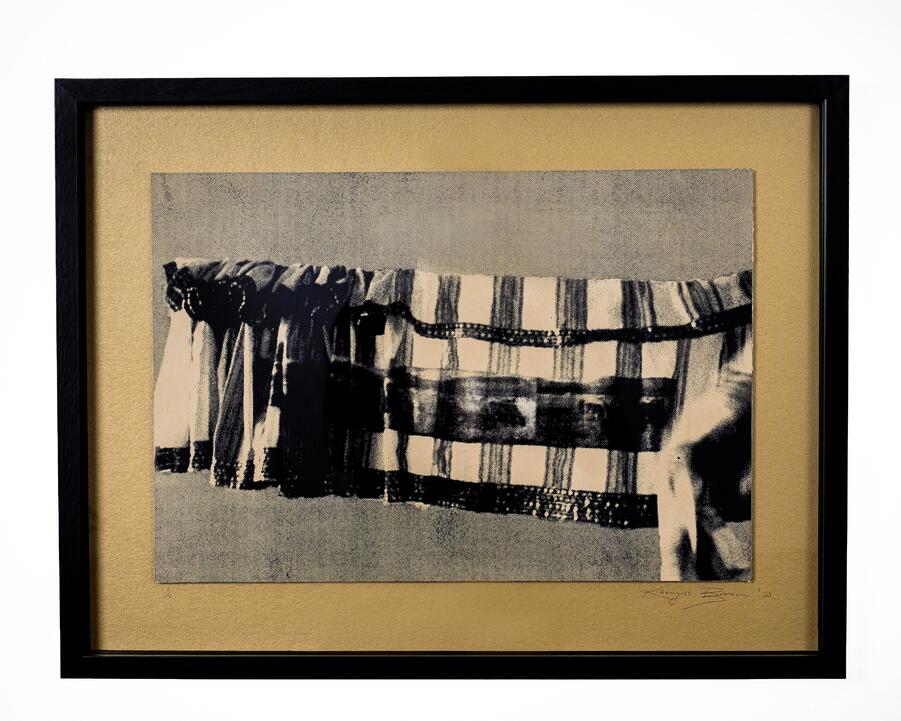
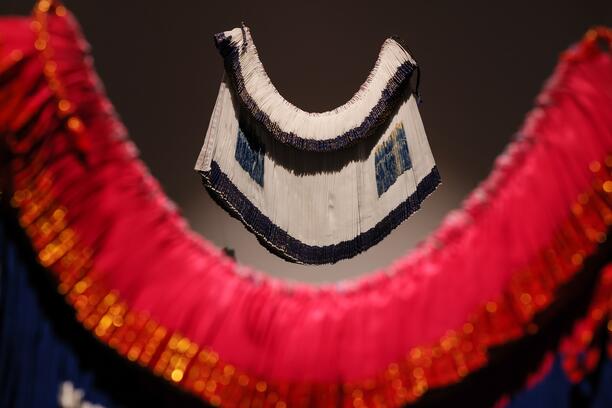
The exhibition is also a meditation on the maternal line, a recognition of the women whose lives and choices shape the contours of our own. Brancon’s work traces the paths of ancestry, exploring how stories of migration, adaptation, and survival ripple across time. Each work is a tributary feeding a larger river, an articulation of the interconnectedness of human experience. Through this lens, the personal becomes universal: the journey of one woman resonates as a reflection on collective histories, inherited wisdom, and the search for belonging.
At its core, Garingani Wa Garingani is a testament to art’s power to bridge worlds, to transmit knowledge, and to celebrate shared humanity. It is an invitation to inhabit a space where memory, ancestry, and identity converge, where each story enriches the ongoing epic of human life. Visitors are not merely observers but participants, moving through a landscape of visual and tactile narratives that echo across generations. The past is neither distant nor static; it is alive, resonant, and unfolding in every frame, print, and sculpture. Brancon’s work reminds us that art can be both sanctuary and vessel, a means to honour the unseen, to give voice to the overlooked, and to create a space for reflection, dialogue, and transformation.