
National Arts Council says its business as usual after sudden resignation by five board members, including the chairperson
However CITYLIFE/ARTS has been informed by sources privy to the situation that the resignation followed a special Council meeting held on Monday, that is said to have been heated as a result of litigation issues the council is currently embroiled in, among other issues.
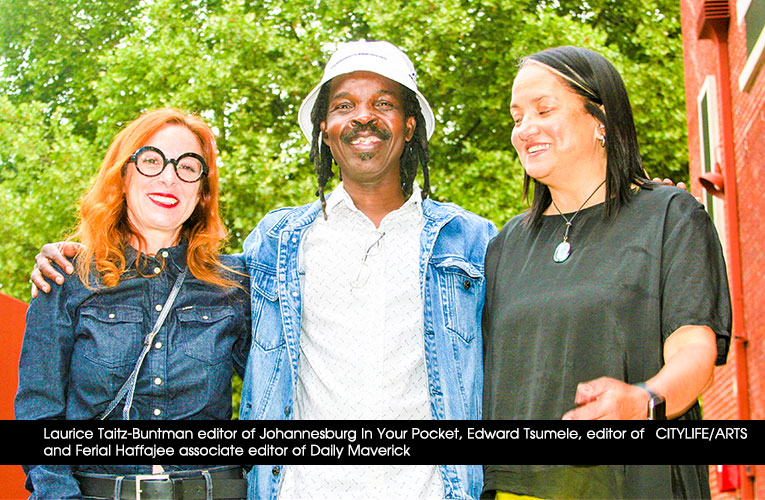
By Edward Tsumele, Winner of NHC Heritage Journalism Award for 2026
The board of the National Arts Council (NAC), the government entity responsible for grant management and disbursement of funds to artists and arts organisations, has yet again been rocked by a crisis.
This follows the almost en masse sudden resignation of board members on Wednesday, October 14, 2026, including its chairperson Eugene Botha and four other board members.
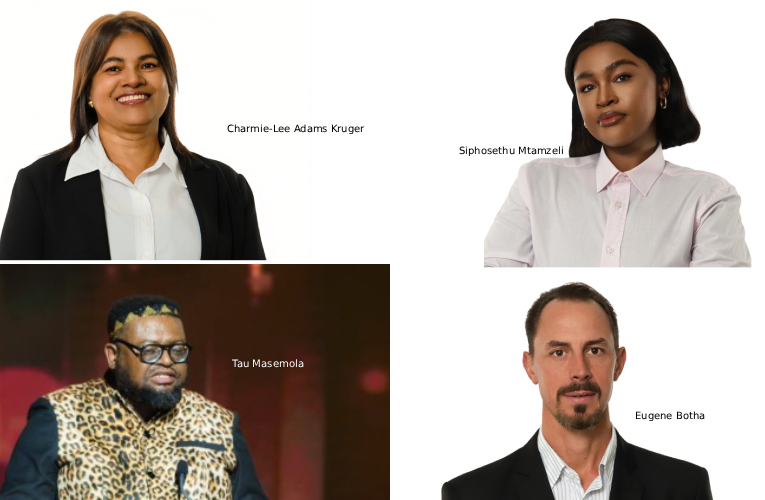
In a statement that was posted on the NAC’s website shortly before midnight on Wednesday, the NAC announced the resignation with immediate effect, of Botha (Chairperson), Simon Clarke, Siphosethu Mtamzeli, Tau Masemola and Charmie-Lee Adams Kruger. No reasons were publicly shared.
However CITYLIFE/ARTS has been informed by a sources privy to the situation that the resignation followed a Special Council meeting held on Monday, that is said to have been heated as a result of litigation issues the council is currently embroiled in. This claim however could not be independently confirmed. (see previous report by CITYLIFE/ARTS McKenzie dissolves the National Arts Council board, but its woes are far from over, it seems – CityLife Arts)
Therefore, the issue of whether or not, the provincial component of the NAC board is legally constituted remains a lingering risk to the decisions that have been taken by the council so far. The case that has been brought to the Court seeking the dissolution of the council by the South African Roadies Association citing the ‘’irregularly” constituted board, was a hot issue at the Monday special meeting.
The issue of the legality of the NAC as currently constituted, CITYLIFE/ARTS understands, has been cited by the outgoing Board Chairperson Botha in his resignation letter addressed to Minister of Sport, Arts and culture Gayton McKenzie alongside the decision reached through a vote by nine council members to fill the long standing vacancies of senior executives of the NAC’
The NAC has been operating without a substantive Chief Executive Officer and Chief Financial Officer since 2021. Both positions were advertised last year, but the process to fill the vacancies were halted, reportedly after the Minister requested Council to do so, CITYLIFE/ARTS has been reliably informed.
“The National Arts Council of South Africa (NAC) hereby informs the arts and culture sector that the following council members have tendered their resignations effective 14, October, 2026….. The NAC Council, management and staff extend their sincere appreciation to the outgoing members for their service and contributions to the organisation. We wish them well in their endeavours,” says the NAC in its statement.
These latest resignations by the five board members also raises the question of the legality of the NAC board as it stands being 16 members.
The law governing the NAC is clear in what the NAC Council should be –that is the NAC Council members should 18, up to a maximum of 27.
“Following these resignations, the NAC now comprises sixteen (16) members. The NAC will formally await the appointment of replacements by Honourable Minister of Sport, Arts and Culture Mr Gayton McKenzie to fill the vacancies and enable Council to fulfil its functions with the applicable legislative and governance requirements,” the statement released by the NAC partly reads.
These resignations of five board members raises the question of whether there can still be stability at the NAC, and most importantly issues of legality in carrying out its functions on the part of the remaining board as constituted.
The NAC however seems to suggest that the remaining board members can still be able to carry out their duties legally within the framework of the legislation guiding it.
“Pending these appointments, Council will continue to discharge its mandate and perform the functions for which it is empowered in terms of the applicable legislation within its current standing and the extent permitted by law,” the NAC assured the creative sector, almost definitely likely to be unsettled by this latest development.
This latest development at the arts funding board, follows shortly on the reinstatement of the board earlier this year by the High Court of South Africa, after they board was sacked by Minister of Sport, Arts and Culture Gayton McKenzie following allegations of governance issues at the government agency. Some of the board members took the issue of their sacking to court, where they were given the relief they sought by being reinstated.