




The historic Melville Koppies Iron Age smelting furnace expands public access through Virtual Reality technology exhibition
Coinciding with Melville’s 130th anniversary celebrations, the public can now tour the smelting furnace through the exhibition titled Iron Memory 11, which opened on Thursday, September 24, 2026, at Museum Africa in Newtown.
By Edward Tsumele

Monday, September 28, 2026, the culturally vibrant suburb of Melville in Johannesburg, is turning 130, and therefore this is time to celebrate one of Johannesburg’s most popular suburbs, that continues to attract both locals and international visitors alike.
And to coincide with this milestone celebration of a suburb that defies s forces that try to bring it down as a popular suburb, academics and researchers from University of Johannesburg, which is within Melville’s vicinity have elevated the suburb’s most iconic landmark, the Melville Koppies, a beloved iconic landmark that attracts especially nature lovers over the weekend, from the Melville community and beyond. Whether one is walking their dog, or learning about the koppies’ rich history, Melville Koppies is attractive to experience and learn more about its history and the people that first settled around it, as well as their economic activities around it.
Personally, I have lived on and off in Melville and its surrounds on and off in the past 25 years, but believe you me, its allure has inexplicably eluded me, till last week, when I got an invitation that took me to the top of that landmark, where an Iron Age smelting furnace has been discovered by Wits researcher Professor Mason in the 1960s, and has since been protected from being vandalised and destroyed.
My encounter with this iron smelting historically important discovery was virtually though. But just as nearly good as physically going there, something I have threatened to do for the past 25 years, and failed. Thanks to researchers from University of Johannesburg, who have used Virtual Augmented Reality (AR) technology to bring the historical Melville Koppies iron smelting furnace to the people. It is now a museum permanent exhibit where members of the public can view it for free.
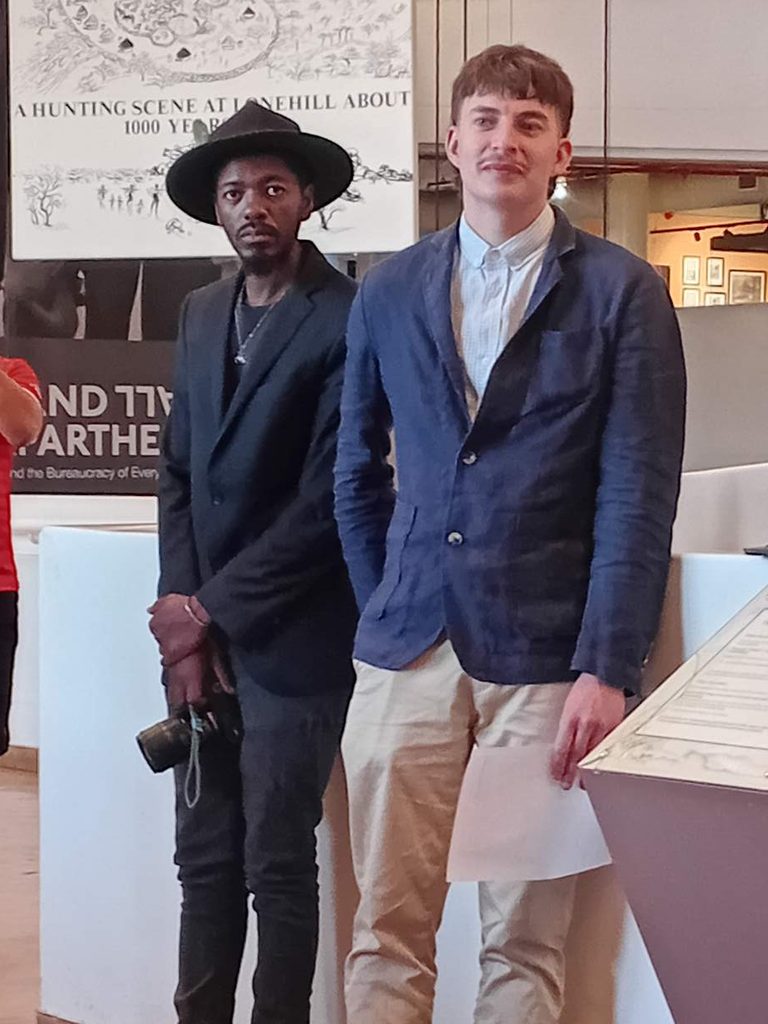
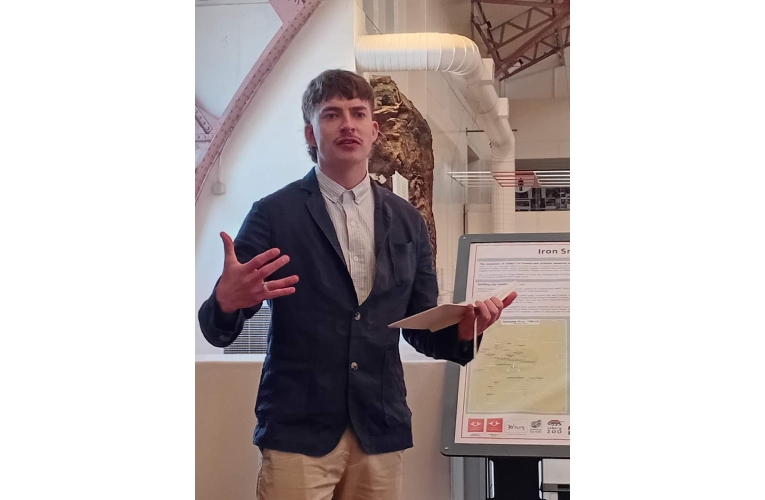
This exhibition titled Iron Memory 11, which opened on Thursday, September 24, 2026, at Museum Africa in Newtown. It is a partnership between UJ, Museum Africa, Melville Art Mile and Friends of Melville Koppies. Dr Izak Potgieter from UJ explained the history and the Iron Age political economy behind the furnace.
What happened is that around 1000 AD Tswana and Sotho communities settled in the area and they were involved in economic activities exchanging good with neighbouring settlements.
The smelting furnace was therefore a place where iron was smelted in the furnace and tools were made. Some exchange took place among these people and other surrounding settlements,” he said.
History underpinning the smelting furnace
Somewhere between 1060 and 1580 AD, iron masters worked a furnace on the ridge we now call the Melville Koppies. They were pulling metal out of the earth centuries before the 1886 gold rush turned Johannesburg into a mining town. Prof Revil Mason found what was left of the forge in 1963 and the site was declared a national monument that same year. It’s still up there under glass, and the Friends of Melville Koppies have looked after it ever since.
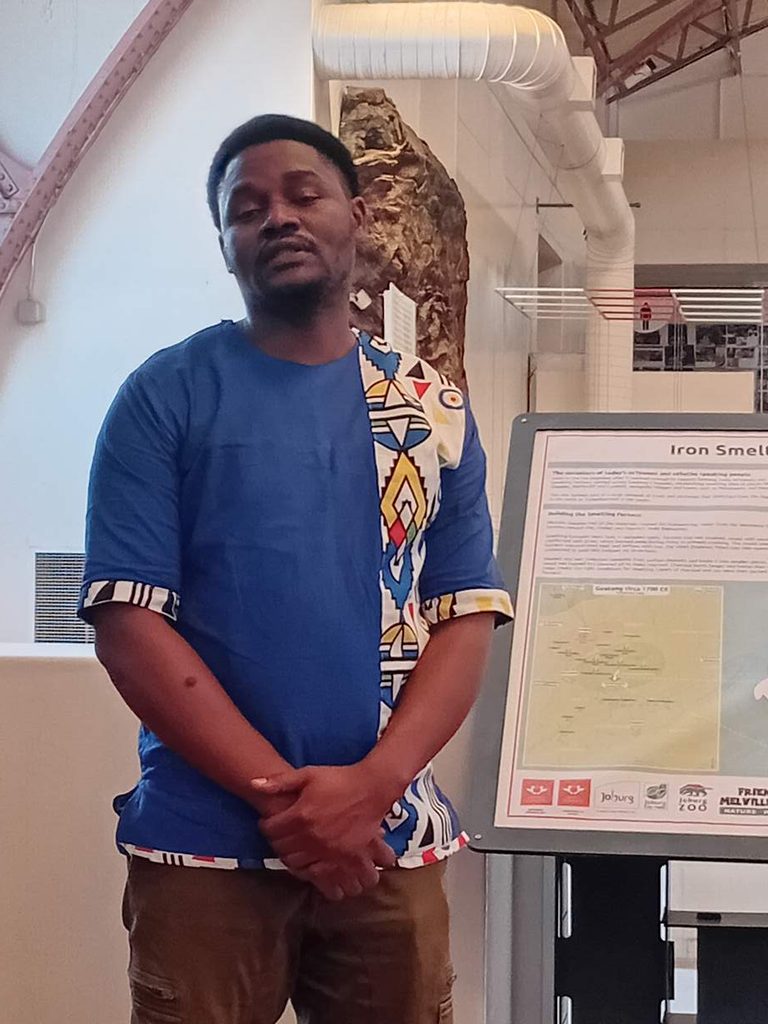
The University of Johannesburg’s Metaverse Research Unit has now rebuilt that furnace in millimetre-accurate augmented reality. Not to preserve it, the site is already protected. It’s a different experience of the same ground, one that brings a new crowd up the hill and carries the history into the fifth industrial revolution. Hold up a phone and the smelter assembles itself in front of you, animated and narrated in seTswana, isiZulu, Afrikaans or English. It opened on the Melville Koppies on Workers’ Day. On Heritage Day it comes into the city.
Now this cultural heritage can be enjoyed by the larger public instead of being confined within halls of the academy and those who have time and the means to physically visit Melville Koppies.