


Two short film by Austrian born researcher Daria Tchapanova draws attention to struggles of artists’ spaces are gentrified
The two short films about the circumstances affecting two groups of artists in Europe and on African soil, are indeed powerful films that illuminate the struggle and opportunities artists have even in safe spaces where they operate from as their tenancy is precarious and circumstances could change anytime, leaving them vulnerable.
By Edward Tsumele, CITYLIFE/ARTS Editor
Daria Tchapanova and Kamogelo Masemola
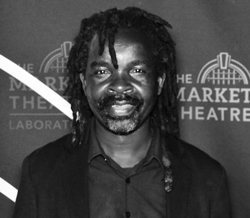
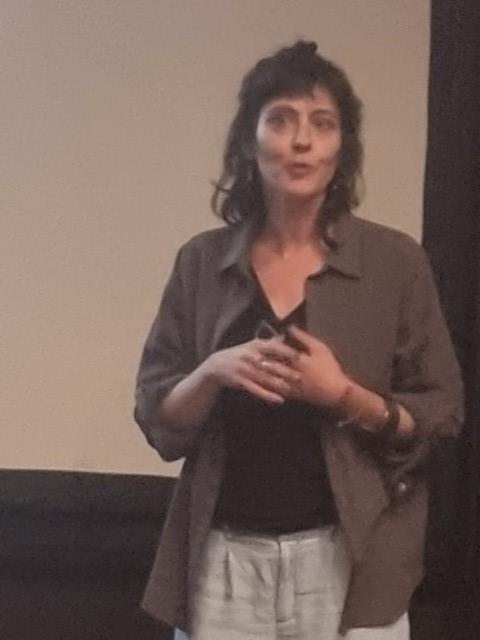
We converged at Biscope at 44 Stanley on Wednesday, 2, September, 2026, full of anticipation. We were a small group of invited guests, around 30, engaged audience who had answered to an invitation by the Austrian Cultural Forum, to attend the screening of two short films by artist and researcherDaria Tchapanova. She is a first time filmmaker who however produced two impactful showing what happens to artists spaces anywhere in the world when spaces they occupy get gentrified and rentals shoot through the roof as real estate value is elevated by the presence of artistic activity in the spaces.
This is indeed a complex issue to unpack in films of only 30minutes each, however, we were not disappointed. Daria answered a barrage of questions in the 15 minutes that were reserved for questions, as we needed to vacate the cinema, so that a second group also had an opportunity to view the two short films.
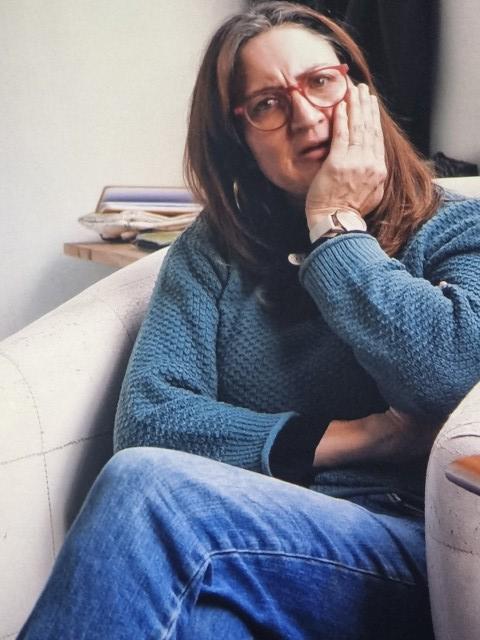
The short films, tightly edited into 30 masterpieces each, telling the story of two art houses accommodating visual artists in two different locations, one on Europe soil, specifically Vienna, the capital of Austria, and the other, right in the heart of Johannesburg Central Business District, are a powerful and punchy way of telling how artists everywhere really, try to carve out a home, a safe space to work in an environment that is conducive to letting the creative juice flow, often face the same challenges and of course, opportunities.
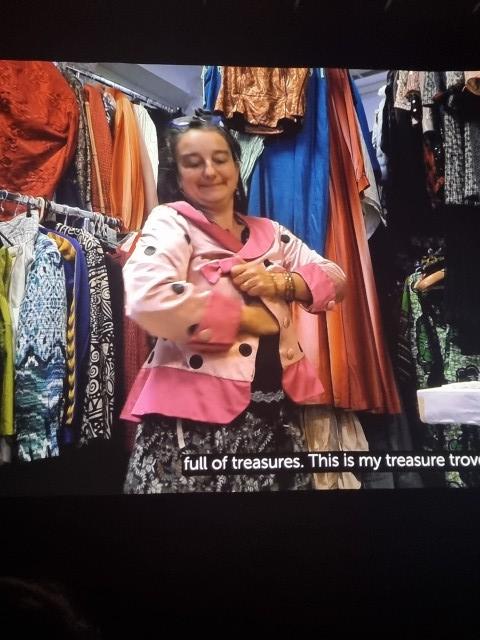
These two short films Haus am Gehen, about this beautiful house that has been turned into a beautiful working space for artists, such as painters, and even clothing designers in Vienna, and The Building; A Gritty Fairytale, which tells the story of August House, (located in a once neglected part of the city on End Street) that accommodates a number of artists in Johannesburg, where they have their own individual studios on different floors of the building, are an impactful way of telling a story that locates the struggles of of artists as situated on the same recurring issue.
Mainly that when a real estate business identifies an opportunity to create value for their building by inviting artists to take studio space in it, real estate in the area slowly changes for the better for the investor as the prices of rental property go up, as more businesses come in.
This is a good thing for property owners. However, it is bad for the artists, ironically, whose presence in the first place, has resulted in properties gaining value around their studios.
Eventually, the property owner where the artist studios are located, inevitably increases rent for his or her property, driven to do so by market forces. At face value, he or she, is not doing anything wrong, as in his or her view, it is good business, and a good return in investment.
But then the reality is, the poor artists are forced out of the area due to higher prices that they cannot afford anymore due to this unwelcome intersection of commerce and art, whose results does not also favour the artists, who in the first place elevated the value of real estate. This is as the area around the studios, often where previously the buildings were often on the periphery of commerce, and in some cases, run down, start to be gentrified by their owners, seeing an opportunity to make more money.
The 70 artists that had their studios at Kuust Quartier Wien Meldingin Vienna, in Haus am Gehen, suffered in this strange intersection of commerce and art, where art lost to market forces, forcing the artists out. However, those at August House are still there and creating. It would have been therefore better if Daria explored more in The Building; A Gritty Fairytale, to find out from the likes of Sara Hallat, the Managing Director of Meta Foundation, which manages the artists and their studios in August how, how they have managed to balance the commercial needs and the artists’ interests at the same time. Their model seems to be holding on, irrespective of these competing forces. Hallat, is one of the people featured in this short film, alongside some of the artists who have their studios in August House. Including Kamogelo Masemola, Khotso Motsoeneng and architect-turned artist Dustin August.
It is a matter of curious indeed to know how August House has managed to strike this difficult balance of competing commercial imperatives and artists’ needs.
Maybe the answer lies in what David Mayers the current owner of August House says in the film.
“What happened is the artist Nelson Makamo asked me to consider buying August House and turn it into artist studios. I indeed did, and the first artist to take up studio space was Nelson Makamo. It pains me when an artist tells me that they are moving out of the building (lack of affordability),”he says on camera.
And so what happened to the 70 artists removed from Kuust Quartier Wien Melding in Vienna?
“Currently there are 20 of them, multipull-Collective in a nearby Shaffel,” Daria told CITYLIFE/ARTS after the screening.
The two short films about the circumstances affecting two groups of artists in Europe and on African soil, are indeed powerful films that illuminate the struggle and opportunities artists have even in safe spaces where they operate from as their tenancy is sometimes precarious and circumstances could change anytime, leaving them vulnerable.