
What do we call home? The 12th African Women Writers’ Symposium asks the question in Soweto this weekend. A Soweto weekend asks South Africa what it means to belong.
By CityLife Arts Writer
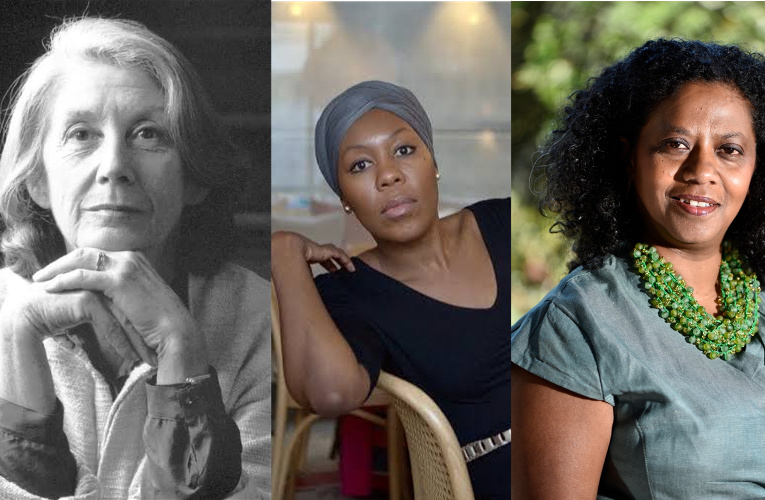
On Saturday afternoon, a writer who left South Africa will be asked what it means to love it. Sisonke Msimang, who lives in Perth, Australia, delivers the Nadine Gordimer In Memoriam Lecture by live feed to a live audience at the Soweto Theatre at 3pm on 17 October. Her theme is “What does it mean to love South Africa?” Her memoir, Always Another Country, is about exile and home.
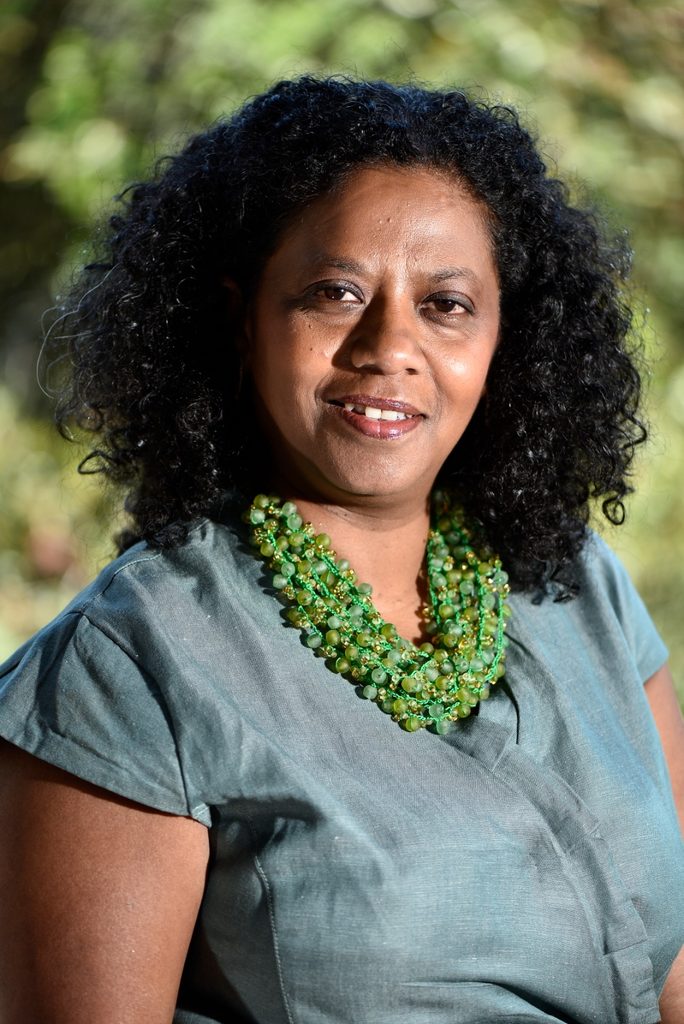
The timing is deliberate. “Loving South Africa and South Africa loving you back has always been fraught with tension, especially for those living here,” says Roshnie Moonsammy, curator of the 12th African Women Writers’ Symposium and founder of Afro Arts SA. The country is heading towards local government elections, and the argument over who belongs is louder than usual. She says the talk comes “at a very opportune moment in our history,” as South Africans, the continent and the diaspora live through shifting politics.
From Windybrow to Soweto
The symposium grew out of a gathering of women writers in 2010 at the Windybrow Theatre, which included New York poet Jayne Cortez, Botswana’s Leloba Molema, Lisa Combrinck, Nosipho Kota and Miriam Tlali, with writers invited by the Department of Sport, Arts and Culture. A year later, at Wits University, activists and writers such as Egypt’s Nawal El Saadawi and Nobel laureate Nadine Gordimer took the conversation further, again with the department’s support.
The exchange that followed is still quoted. El Saadawi asked how South Africans could become as politically liberated as they were economically liberated. Gordimer’s answer was blunt: “We are yet to defeat the apartheid within ourselves.”
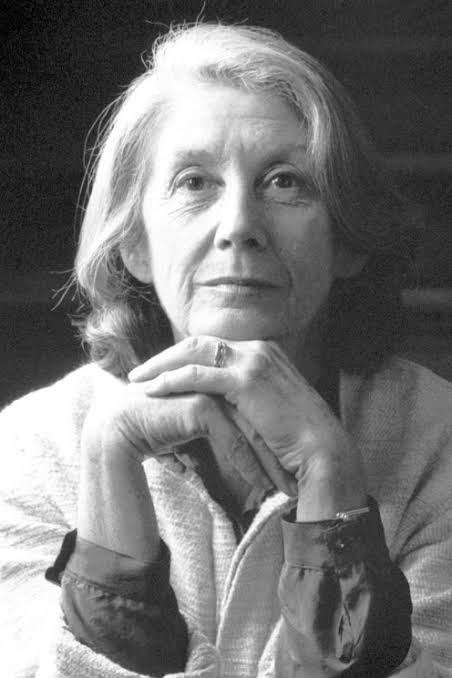
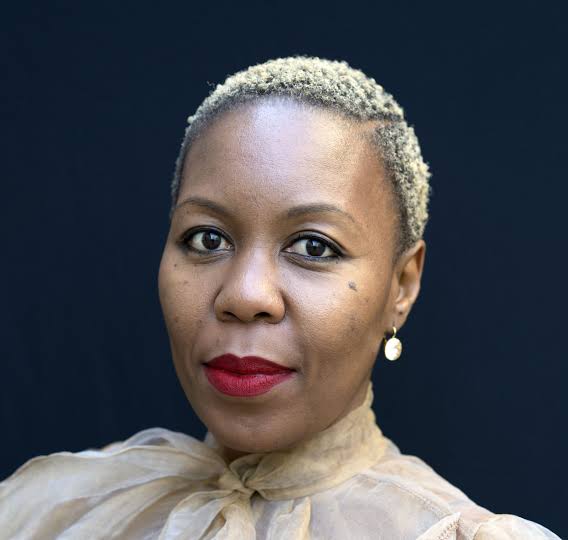
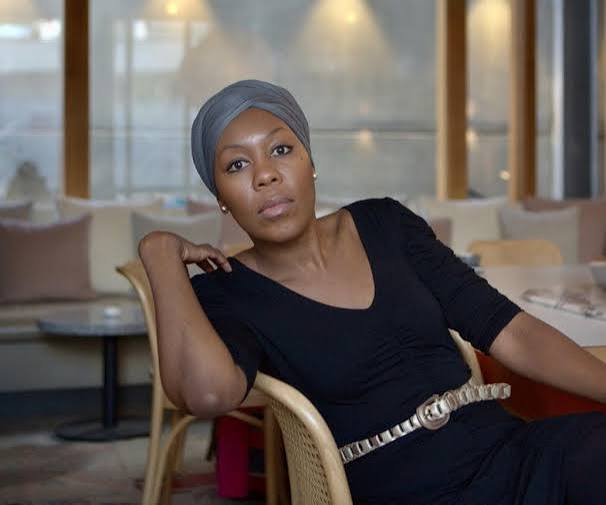
El Saadawi knew what it cost to speak. She was jailed by the Egyptian state in 1981 for her views and wrote Memoirs from the Women’s Prison on a roll of toilet paper, using an eyebrow pencil smuggled in by a fellow prisoner. She fled to the United States in 1993 after death threats, and died in March 2021. Gordimer died in July 2014, having published more than 30 books over her lifetime.
Both women are gone. The conversation they started is not.
The aim, Moonsammy says, was to deepen dialogue between African women writers on the continent and in the diaspora, strengthen literacy and reading, and promote African women’s writing.
What women writers bring
What do African women writers bring to a conversation about unity and leadership that is otherwise missing?
Moonsammy is careful not to define the category too tightly. “Women writers are both diverse and focused — there is no one definition.” But she is clear about what they share: a concern for “the family, building healthy communities,” and for the marginalised and vulnerable, including women and children. They also challenge “the dominance of masculine power” in African leadership, she adds.
Home, belonging, and the Botswana connection
The theme of home runs through Saturday. At 12:30 a panel looks at the work of Bessie Head and pays tribute to the late Dr Leloba Molema. Head, born in South Africa, is often regarded as Botswana’s most influential writer, and her fiction and autobiographical writing circle questions of belonging. “What do we call home? What is belonging?” Moonsammy asks. Prof Alinah Segobye of Botswana, Dr Frank Meintjies and Dr Danai Mupotsa (online) take part, with Prof Nedine Moonsamy of UJ facilitating.
Saturday also opens at 10am with a workshop on Gil Scott-Heron and hip-hop led by Quaz Roodt, Lex LaFoy and Lesego Rampolokeng, followed by a script-writing workshop with Dr Refiloe Lepere. Poetry and music close the day.
Truth, fiction and scams
On Sunday, young readers take the stage. A children’s workshop at 10am brings children from Mofolo Hostel in Soweto and the Literazzi Group together for dance and a literary talk. Later, a session on how to get published and not get scammed is followed by a debut-publishing panel at 13:45 with Michelle Kekana, whose novel The Fragile Mental Health of Strong Women has been shortlisted for The Sunday Times Literary Prize, and Olwanda Majozi.
The weekend ends at 15:00 with “Media Wars: Is Fiction Stranger Than Truth?” Economist and financial journalist Duma Gqubule speaks, with Sharon Ekambaram as contributor. “Discerning the truth from fiction is a lot more complicated in these times,” Moonsammy says, and she wants ordinary people to engage with these questions “so that we are led by truth and facts.”
For anyone who has never been to a literary event, her pitch is simple. It is “entertaining, educating and thought-provoking… for everyone.”
Details: Soweto Theatre, Saturday 17 and Sunday 18 October, 10am to 5.30pm. Entry is free, but booking is essential: afroartsurban@gmail.com.