
Johannesburg’s and Paris’ young refugees express themselves through a photographic exhibition and podcast
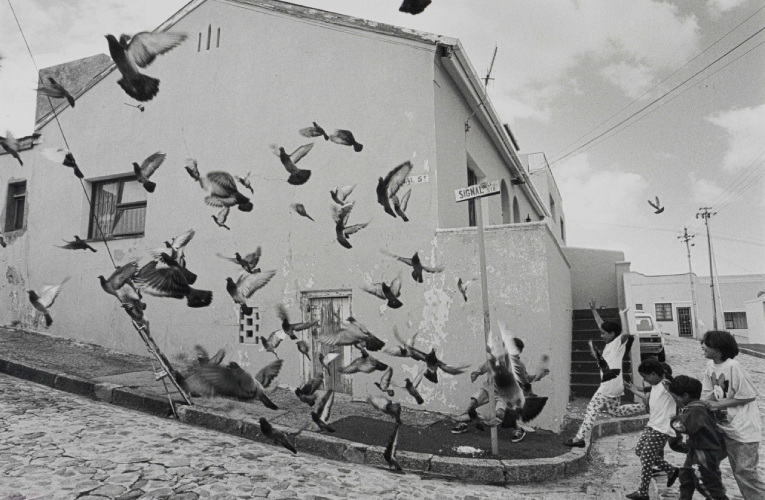
If one wanted to fully understand the impediments faced by these young refugees in both Johannesburg and Paris, you do not have to look beyond this powerful exhibition, well capturing the precarious existence of a people living on the margins of society.
By Edward Tsumele, CITYLIFE/ARTS Editor
When people leave their home countries, running away from danger threatening their lives, and find themselves in foreign lands where they are certain to face several challenges, often what is in the imagination of the public is the uncertain lives adults will face in that country. They often face hostilities from local communities over issues of resources, culture and opportunities.
While those challenges are real for adult refugees, society tends to give the children accompanying the fleeing adults only a second thought at best, and at worst, forgets about the precarious life young refugees, face in the host countries. Such as anxiety, education and uncertainty about their own identities, among other reasons.
While people tend to integrate more easily within communities of host countries, as compared to adults, their challenges are even bigger as they have to carve a future in a foreign country, such as access to education in environments where they have to learn a new language quickly, to be able to learn in school.
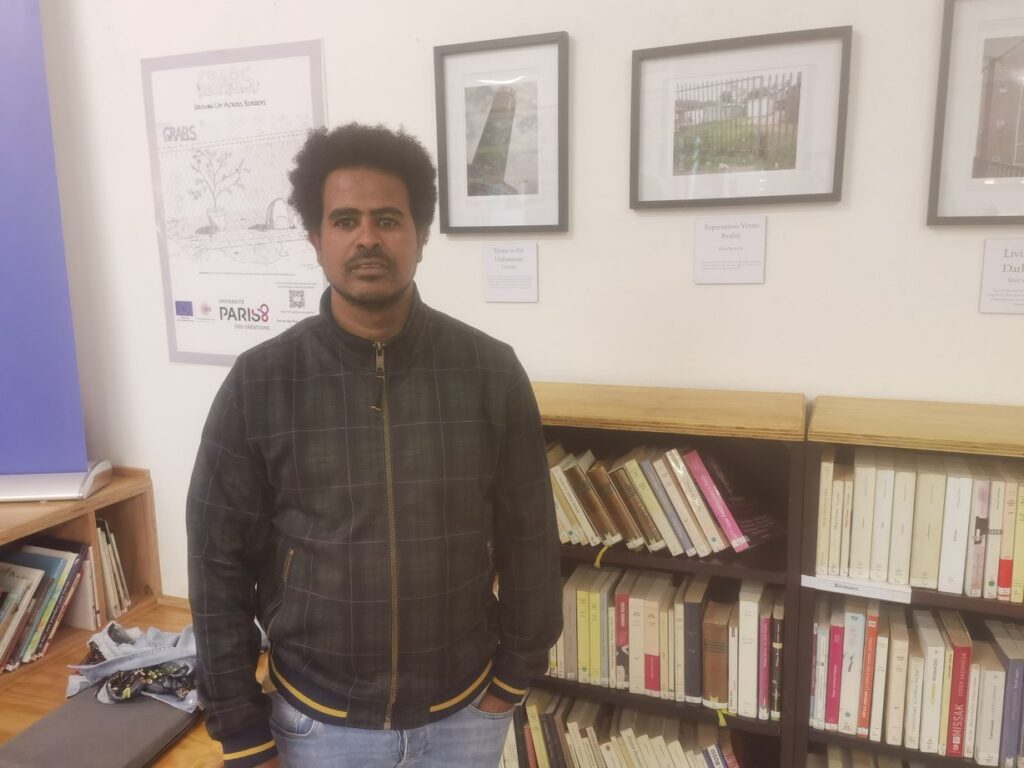
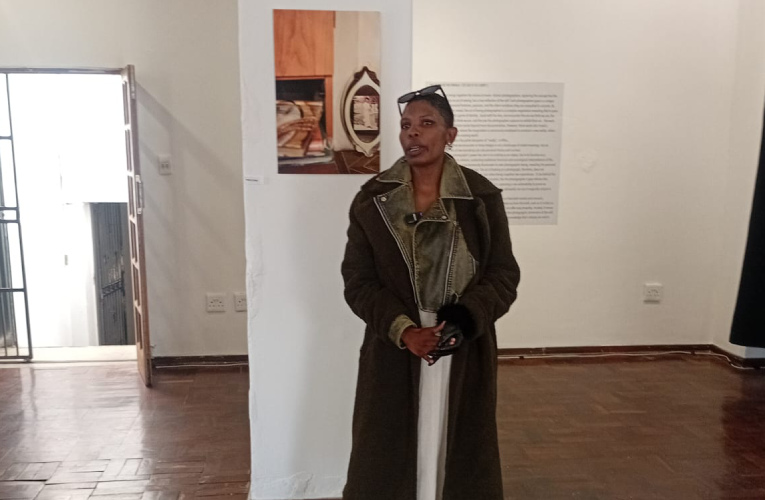
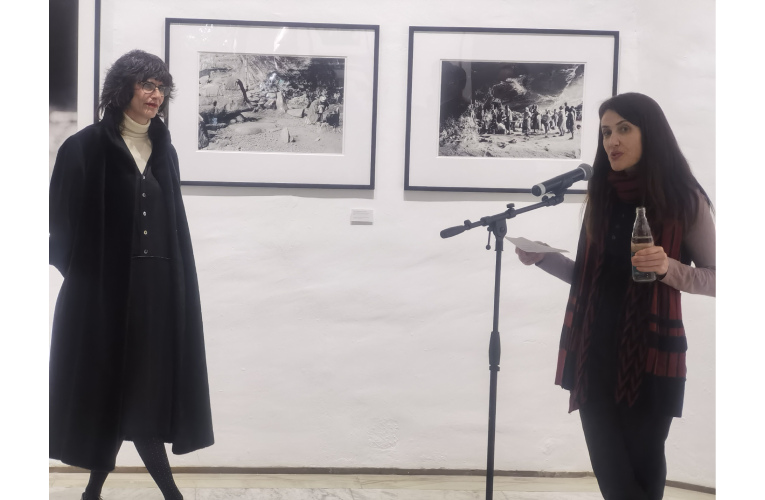
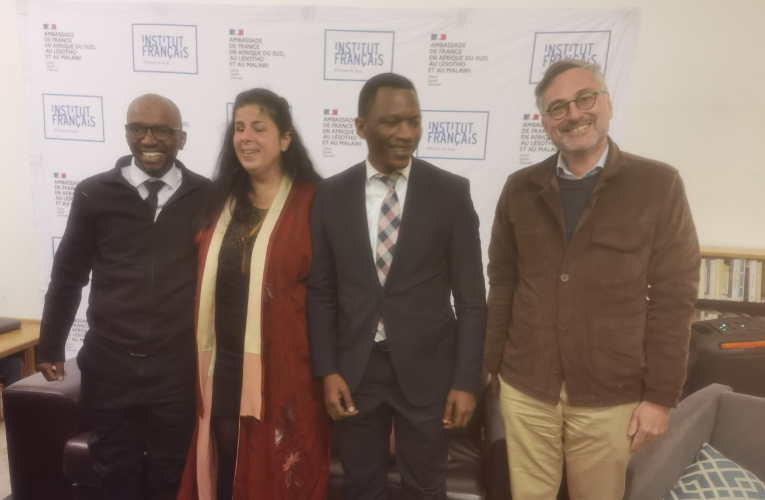
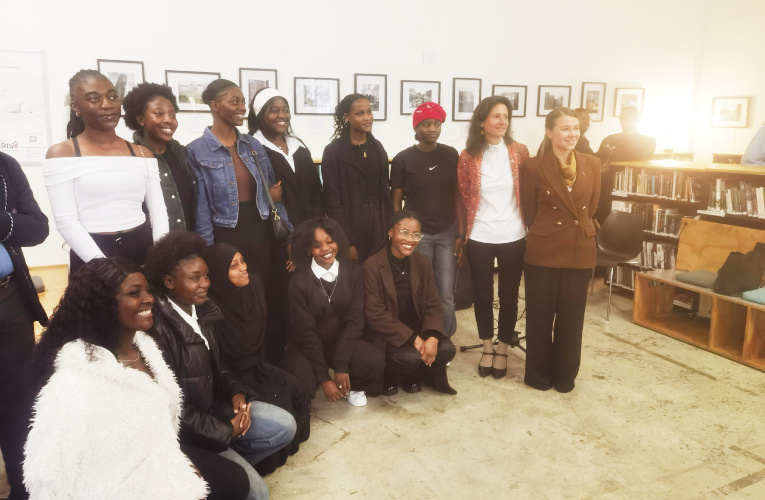
The issues facing young refugees, were well ventilated and captured through at an opening of an exhibition and a podcast, which were launched at Dibukafe, a library and events space run by the French Institute of South Africa recently.
This exhibition has been launched by The French Institute of South Africa (IFAS), in partnership with the Delegation of the European Union to the Republic of South Africa, as part of a new programme of dialogue and cultural exchange under the title Europe Talks, targeted particularly at youth.
If one wanted to understand the impediments faced by these young refuges in both Johannesburg and Paris, you do not have to look beyond this powerful exhibition, well capturing the precarious existence of a people living on the margins of society.
Hosted at Dibukafé, the French and Francophone library of IFAS in Braamfontein, Johannesburg, the inaugural Europe Talks event opened on 21 May 2026 with the exhibition Growing Up Across Borders: Youth Stories from Johannesburg and Paris at Dibukafé, 70 Juta Street, Braamfontein,
At the exhibition opening and podcast unveiling, supported by the French Institute of South Africa, the European Delegation to South Africa, and researchers from Paris University and University of KwaZulu-Natal, guests had heart breaking stories of the precarious lives lived by vulnerable refugee children in foreign lands, with the photographic exhibition focussing on the refugee population in Johannesburg and Paris. The podcast, was created by refugee children themselves in Johannesburg, interviewing fellow refugee children about the issues occupying them in their daily lives in South Africa.
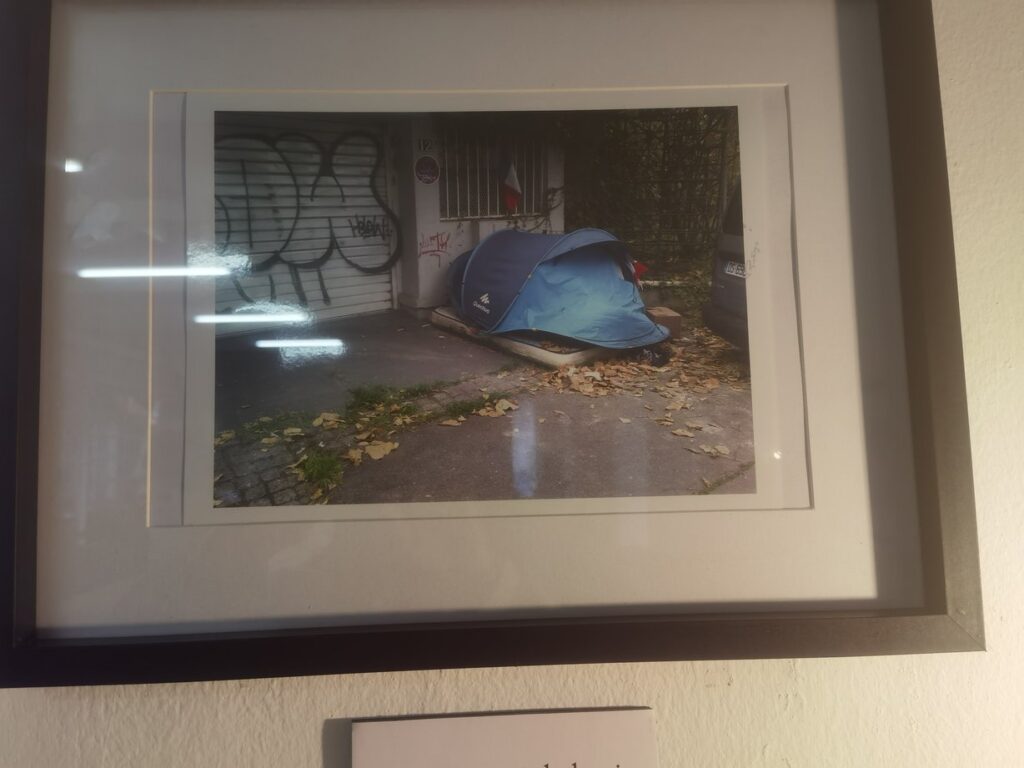
And quite striking, the photographs on display created in both Paris and Johannesburg, in many aspects deal with the same subjects, common issues that the child refugees in both cities wanted to highlight as facing them on a daily bases.
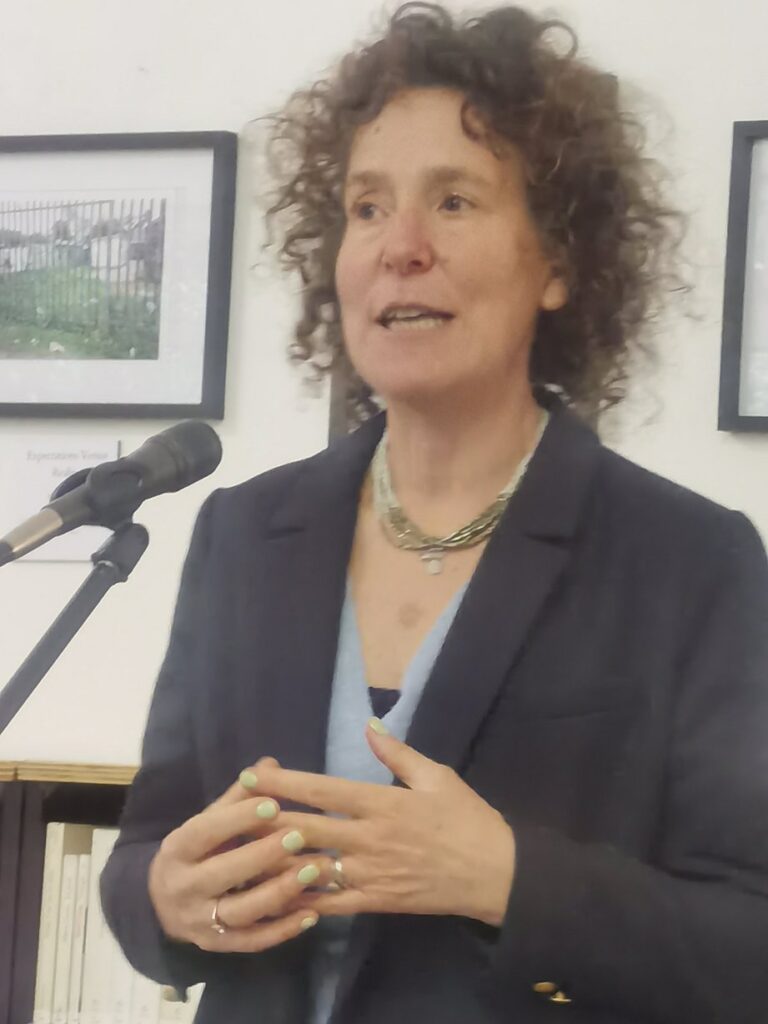
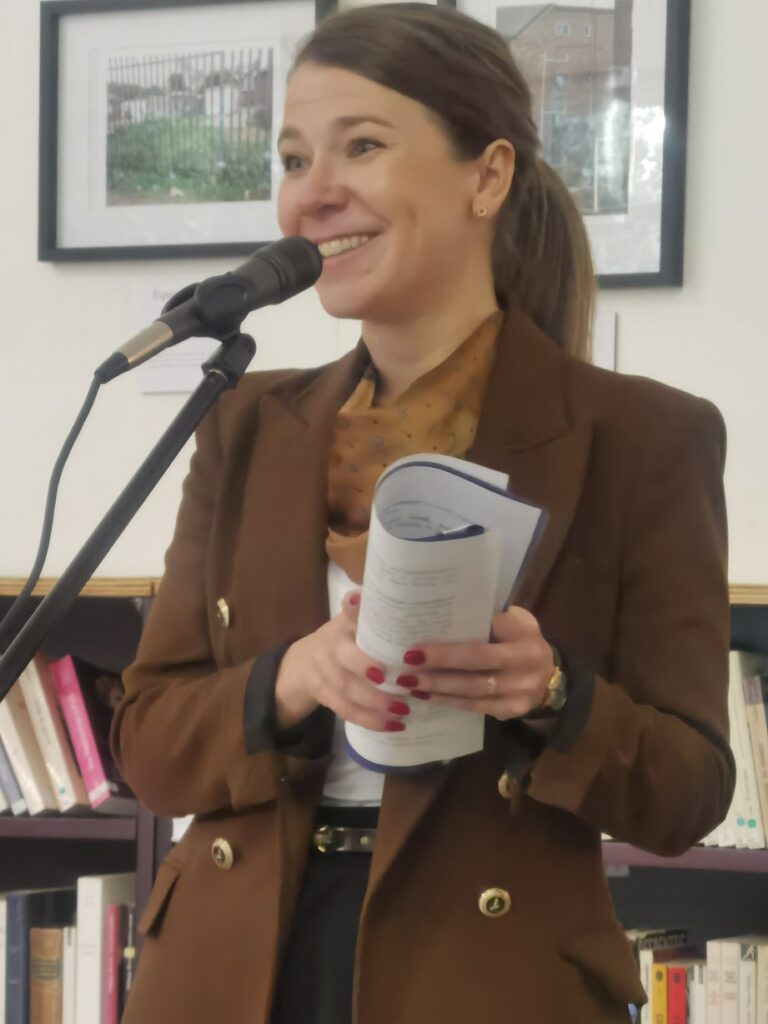
The young refugees involved in this project are from the suburb of Yeoville, East of Johannesburg, which has a strong concentration of immigrants from the rest of the African continent.
These young refugees, through especially the podcast and their presentation were confident to articulate their issues that they face in South Africa as refuges accompanying their parents, such as access to health care, access to schooling, being regarded as less than the other local children school, language barrier and generally struggling to integrate into the school body.
The biggest common feature in the refugee community was said to be the lack of legal documentation to stay and go to school in South Africa, as Asylum papers for those luck to have them, can only assist that far, but are said to be limiting especially for those who want to advance with their education to tertiary institutions. They also highlighted the issue of anxiety about the legal status of their parents, as not being properly documented themselves means that they face obstacles to access to formal job opportunities, and they also face being arrested by police in the streets for being illegally in the country.
The children who spoke at the launch are in high school and participated in this research thunder the auspices of a Bellevue, East of Johannesburg, based refugee Non-Governmental Organiation called Refugee Children project, whose co-ordinator is Enfildah Kudla.
“All though as refugee children we face many challenges, I personally believe there is future for us. As foreign kids, we do not get the same opportunities as our South African counterparts. We also face a language barrier. We struggle to get documented, resulting in a lot of the refugee children not have documents to live legally in South Africa.
“In addition within our families, girls and boys are treated differently. For example as girl we are expected to do household chores, while boys can go out and play with their friends after school. There is also the issue of early marriages that happens a lot within refugee communities. I was personally approached with a marriage proposal, I said I do not want a marriage as I am too young for that as I am only 16,”one of the young people spoke.
“’We are also suffering from trauma and anxiety because we feel that the system is letting us down. Luckily for me I have a strong support system, including from friends,” one of the young people called Lucy said at the launch. These creatives have sown a seed for networking, playing and execution of business proposals. Grab your coat on a Thursday afternoon even this winter, set an art date and head to Indoni Arts Hub this Thursday. They also mentioned they are involved in musical project developments, and so check them out.
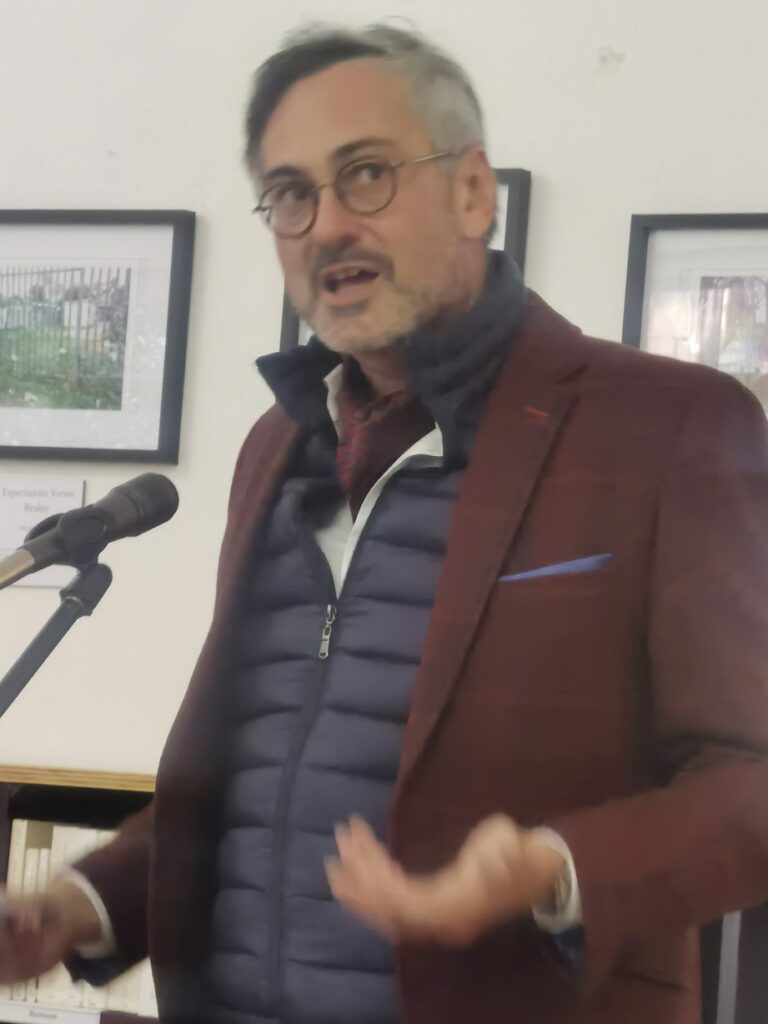
“In 2015, there was high incidents of xenophobia, and I stayed indoors for weeks. I was young then, and did not understand what was going on, and why I could not go out,” yet another young person joined the conversation.
However not everything is bleak for all the refugee children.
“My experience was however positive in terms of noticing the cultural diversity in South Africa when I arrived, even though now, I sometimes worry that my parents will not come back home from work as they could be arrested for not having papers to live and work in South Africa legally,” another young person with a mixed view of her situation said.
“Through this five year project, which is funded by the European Union Council, we want to understand the challenges and agency of young people who find themselves embroiled in migration. And so this phase involving the young people in Paris and Johannesburg, is the first phase. The second phase of the research involves five countries, which are Canada, the UK, South Africa and Greece, Professor Jane Feedman, academic researcher attached to the University of Paris told CITYLIFE/ARTs at the launch of event.
“We used a Creative Methodology to let the young refugees tell their stories. This project is also about giving the young people skills,” said Aron Tesfai, post-doctoral researcher at the University of KwaZulu-Natal. He himself came to South Africa from Eritrea as a refugee, only holding a bachelor’s degree in 2009.
“I then furthered my studies at the University of KwaZulu-Natal, getting a masters and a PHD with my thesis focussing on migration,” he added.
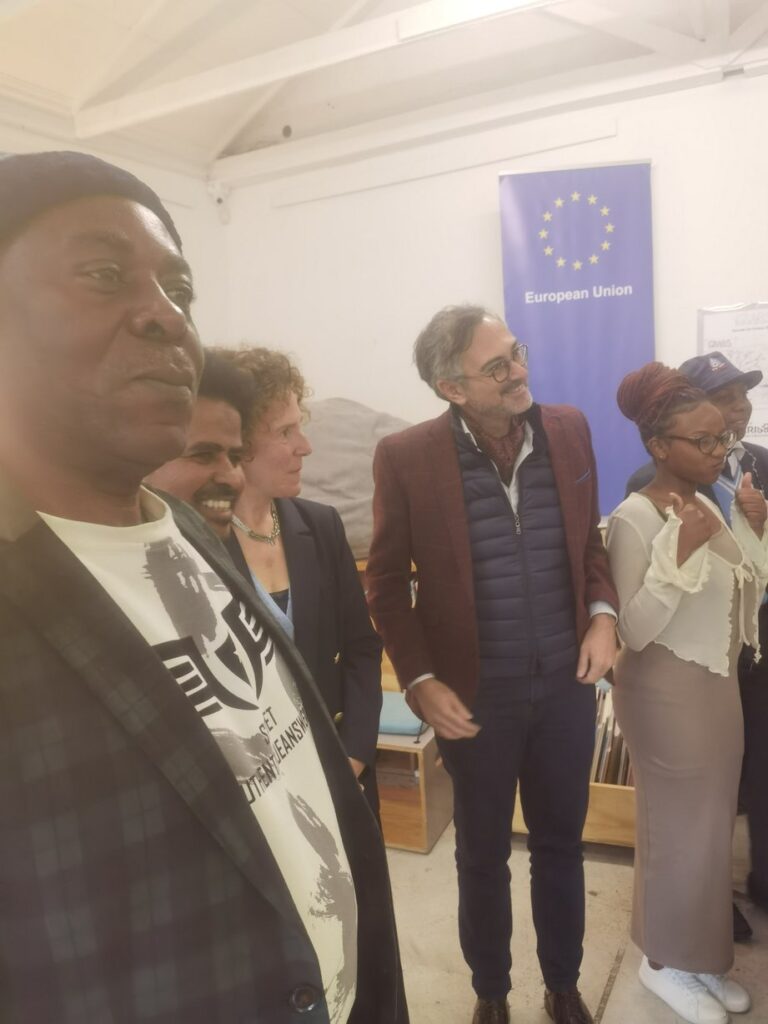
“We are working with the other partners and this research is aimed at making the young people see the connection of their issues with other young refugees in other countries. We want to be part of the conversation on the issue of immigration,” Judy Juuli of the European delegation to South Africa told CITYLIFE/ARTS in an interview.
.The exhibition Growing Up Across Borders: Youth Stories from Johannesburg and Paris is currently on at Dibukafe, 70 Juta Street, Braamfontein, till June 13, 2026, after which only the South African component of the exhibition will move to Bag Factory Artist Studios in Fordsburg.