

African ReUnion’s conversation continues after the show has gone down
The chair is gone. But its invitation remains.
By Thami John
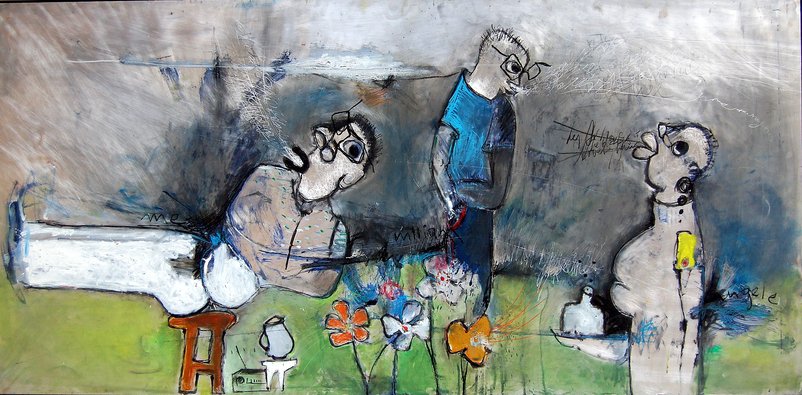
For a couple of months, an empty chair sat at the centre of African ReUnion (2025), a monumental painting by Mark Modimolle that anchored the exhibition at the UNISA Art Gallery. Conceptualised and donated by Dr Thebe Ikalafeng, the work posed a simple but profound question to every African who encountered it: will you take your place at the table?
The physical exhibition has ended. The chair has been packed away. But the conversation African ReUnion started is far from over. A three-dimensional digital tour at https://discover.matterport.com/space/BpFBbSVXCLQ ensures the show lives on, accessible to anyone with an internet connection. And the UNISA Art Gallery is already looking ahead to its next act.
Curated by Tshegofatso Seoka from the UNISA Art Collection, African ReUnion made a powerful statement: there is no single African identity. There never was. Instead of offering a unified vision of what it means to be African, the exhibition celebrated the continent’s dazzling complexity.
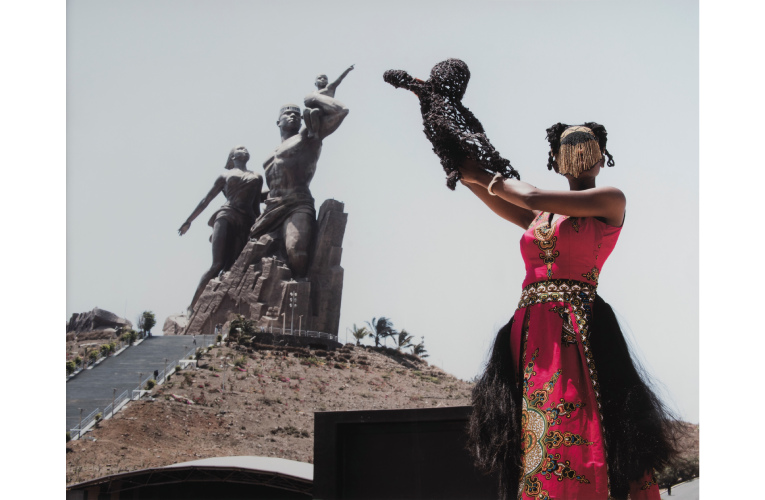
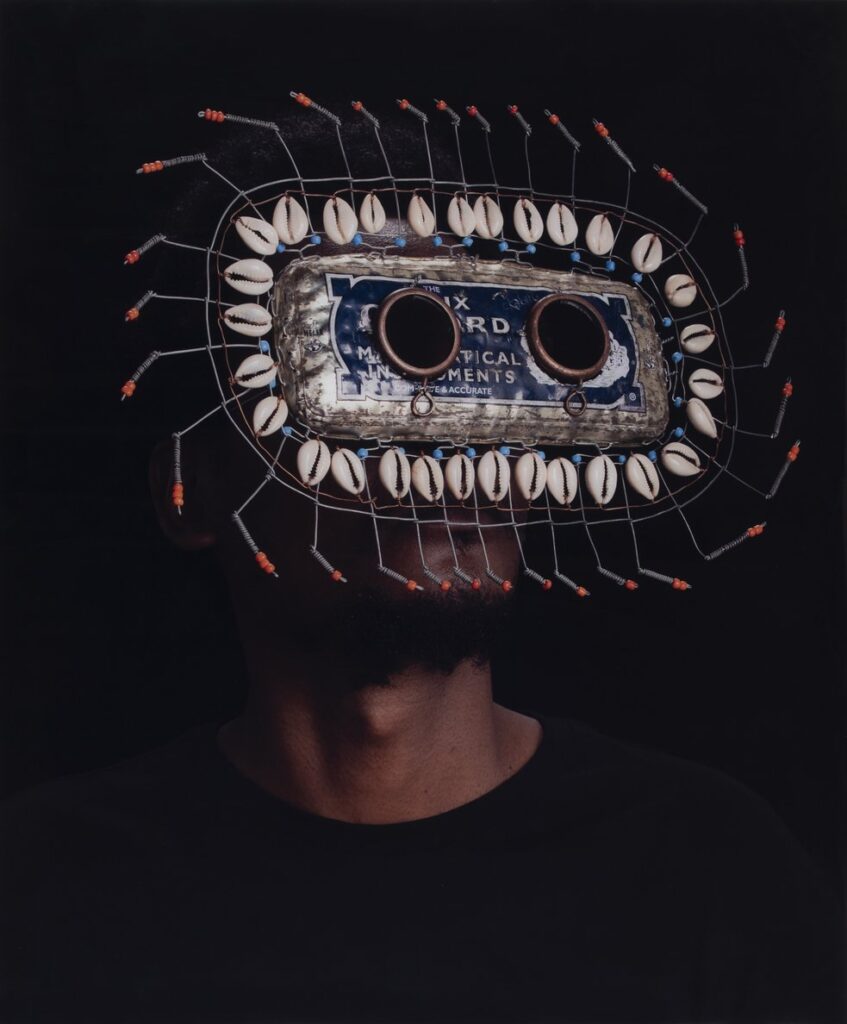
The show brought together artists from across Africa and its diaspora to insist that African creativity answers to no one but itself. Yinka Shonibare’s Dutch wax sculptures continued their sharp critique of empire. Aïda Muluneh’s photographs rejected Western clichés, replacing them with images shaped by African symbolism and perspective. Kudzanai Chiurai’s politically charged works hung alongside Cyrus Kabiru’s sculptures, pieced together from discarded materials. Each artist spoke a different visual language. Together, they formed a chorus that refused to be simplified.
South Africa’s artistic giants anchored the show. William Kentridge’s charcoal animations shared space with Bonnie Ntshalintshali’s ceramics from KwaZulu-Natal’s Ardmore studio. Dimakatso Mathopa and Makamatele Robert Moramaga offered contemporary South African perspectives. From Ghana, Owusu-Ankomah and Paa Joe represented traditions both ancient and evolving. Paa Joe’s sculptures, rooted in funerary practice, reminded viewers that African art has never been mere decoration. It is functional, spiritual, and deeply engaged with questions of memory and meaning.
Ikalafeng’s donation placed the work in a public institution, UNISA, the continent’s largest university. The university stands for access and thought leadership. The exhibition reinforced that mission, advancing African voices and knowledge systems. It was about reclaiming African futures and restoring African agency.
But exhibitions, by their nature, are temporary. The physical show has come and gone. What remains is the argument it made: African narratives will no longer wait for validation. They will be written from within the continent’s own traditions.
The digital tour ensures that argument reaches further than the gallery walls ever could. Students in rural areas, scholars abroad, diaspora communities searching for connection, all can still engage with the exhibition. Digital preservation cannot replace standing before an original artwork. But it democratises knowledge. It extends the conversation.
The UNISA Art Gallery is already planning what comes next. The chair may have been packed away, but the table remains set. The invitation stands. And the question African ReUnion posed still lingers: who will claim their place in the telling of Africa’s story?