




June 16, 1976 was hatched in a community hall where Nelson Mandela trained in its gym, Miriam Makeba and Brenda Fassie once performed
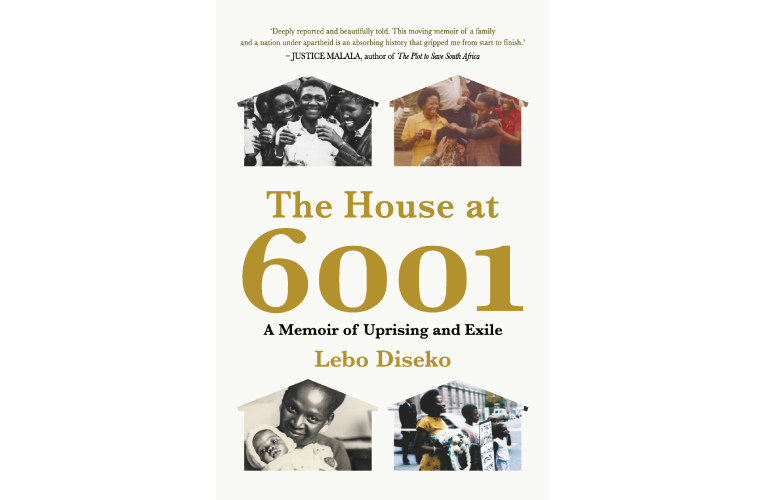
The House at 6001: A memoir of Uprising and Exile by Lebo Diseko, traces the decision that changed the course of history in the fight against Apartheid oppression to a townships community hall the Donaldson Orlando Community Centre – or DOCC as it is known.
By Lebo Diseko
The young activists spent the first two weeks of June 1976 criss-crossing Soweto, spreading the word about the upcoming meeting on the 13th. Among them were Murphy, Super and their friend Zweli Sizani. Their personalities complemented each other. Super was energetic, fun and loved teasing people. Zweli was tall, lanky and handsome, and took life – and the Struggle – very seriously. He lived on the same street in Orlando East as Murphy, who was both a man of action and had the gift of the gab.
The trio needed to convince high school students that they, too, should help the younger ones in their fight over Afrikaans. The rule changes may not have affected older students yet, but they would soon. The trio drew on every contact they had, both political and social. Sometimes it meant ditching their own classes and walking the kilometres between the different locations. They made flyers that they printed at the offices of the South African Council of Churches in Johannesburg, and handed out to boys and girls around the township. Seth remembers being given one at the gates of Phefeni Junior Secondary. By that time, he had joined SASM, connecting the older, more organised students with the Junior Secondary pupils. He and Zweli worked to rally up the younger kids, trying to ensure there would be at least one representative from each of the striking schools at the meeting that Sunday.
Their joint efforts paid off and around 400 children came. On the afternoon of 13 June, they gathered at a community centre, a short walk from 6001 and a slightly longer walk from Phefeni. The Donaldson Orlando Community Centre – or DOCC as it’s known – was a social and political hub, where everything from talent shows to church services were held. Nelson Mandela trained in its gym, bobbing and weaving as he sparred with other amateur boxers. Miriam Makeba and Brenda Fassie performed there before they were known beyond the country’s borders. It’s still standing today, between the Orlando East public library and a ‘meat and grocer’ shop. That Sunday back in 76, a historic decision was taken in one of its rooms, although the children could not have known then of its true significance. It was there that they agreed to hold the mass march against the introduction of Afrikaans, and they elected an Action Committee to co-ordinate it. A charismatic young man named Tsietsi Mashinini was chosen as chairperson, with Seth as his deputy; Murphy was on the committee.
Murphy and Tsietsi were friends from school. They both went to Morris Isaacson High. Tsietsi had a flair for the theatrical and the intensity of a poet or artist. It was he who suggested the date of the 16th – just three days later – for their march. The tight turnaround would limit the chances of police finding out. As he stood in front of the hundreds of gathered pupils, Tsietsi gave a rousing speech to rapturous applause.
They decided they would begin marching from different high schools spread across the north, south, east, west and centre of Soweto. The groups would be led by the older kids to make the point that they were out in support of the younger ones. They would stop at schools, picking up more children on their way to Orlando West. Then, they would gather outside Phefeni Junior Secondary School in solidarity with the pupils who were at the centre of the strikes. From Phefeni they would make their way to Orlando Stadium, a short two-kilometre distance away. There was talk about handing over a petition at the Department of Bantu Education, although not everyone remembers that today.
They swore not to tell their parents, having lost faith in the willingness or ability of grown-ups to help them. There were, however, two adults who were there at DOCC that day. My mum and my aunt Ohara. This was a meeting for students, by students, so the two teachers stood discreetly at the back of the room; blink and you might miss them. But Seth saw them. As he was leaving, he spotted my mum and aunt in one of the other rooms of the community centre. He ducked into it, and they spoke. Fifty years on, the specifics of what was said are hazy in all of their minds. But Seth remembers the message the two women gave him – You are not alone.
Murphy and Tsietsi spent the next two days telling children across Soweto about the upcoming march. This time they had managed to borrow cars from a couple of friends, which made things easier. In schools with more politically active head teachers, the pair were able to speak to pupils on school grounds. At others, they had to find ways to do so outside. Everything had to be done by word of mouth, as flyers would have likely ended up in the hands of parents or, even worse, the authorities. Indeed, it is a testimony to how well they kept the secret that police later admitted they did not know about the march until the morning it happened.
On Tuesday afternoon, the Action Committee met to discuss their plan for the following day’s protest. They gave instructions that any posters carried on the day should be strictly about Afrikaans and education, lest they provoke the police unnecessarily. As they left the meeting, Tsietsi gave them a reminder about behaviour on the day, telling them to stay disciplined, with no violence.
That same afternoon, Super passed by his uncle Elliot Shabangu’s house in Dube. Elliot was a trade unionist who’d long had run-ins with the authorities. It was seeing him being harassed by police that first drew Super to the Struggle. Elliot was a mentor to his nephew and to Zweli, who had tagged along. As their visit drew to a close, they walked down the path that led to the wire gate and stood chatting. When Elliot mentioned that he might see his nephew the following day for a family-related matter, Super turned to his uncle and said, ‘No, tomorrow we’ll be out protesting.’ Decades later, he still didn’t know why he broke the vow of secrecy and shared their plans with an adult. Perhaps Elliot just felt like a safe space, or Super had his own sense of apprehension? Elliot looked at the two boys and asked if they had considered what the regime’s response would be. Then he shook his head and said, ‘I don’t want to know the answer.’ He turned and walked back inside.
Later, Super got into a heated debate with some of the other organisers whether they should take heed of his uncle’s warning. Some thought they should; others thought they ought to continue as planned. In the end, they decided there was no turning back. They would take to the streets the next day.
Joyce and Ohara met that afternoon, too, under the grapevine in the backyard of 6001, as had become their routine. They had a head start on most teachers in that they knew about the planned demonstration. Ohara was meant to be spending the day of the march invigilating exams at Orlando North High School where she taught, but she was going to refuse to do so in solidarity with the protesting students. Joyce was proud of the kids for pulling everything together so quickly. She would get to work slightly earlier than normal, just so the children could see a friendly face. It didn’t occur to either of them, as they sat outside in the fading winter sun, that this was the calm before the worst kind of storm.
It strikes me that my mum’s visits to 6001 would likely have broken with tradition. My dad was in exile, and they were not yet engaged. But at the time it made total sense to everyone, including my grandparents. The political discussions on the bench under the trellis became the foundation of the bonds that would form between my mum and her soon to be in-laws. By the time she moved in later that year she was, my rakgadi says, ‘just one of us’.
That evening, 6001 had a buzz about it, with young people coming to consult my uncle Nat about how best to secure media coverage. Zweli asked if my uncle would be covering the protest for the Rand Daily Mail. He wanted to know in part to ensure publicity, but also because the reporter for the day would have the newspaper’s car. It would be the perfect way to monitor what was happening at different points in the march, and Zweli wanted to ride along. As it happened, another reporter called Nat Serache had been assigned to the story. It was all helpful intel for Zweli.
.This is an extract from the book The House at 6001: A memoir of Uprising and Exile by Lebo Diseko, which is currently on bookshelves around the country, published by Pan MacMillan.