

UNISA to host a seminar celebrating Andile Xaba’s new book Soweto Theatre of Resistance 1984-1994
The event which will take place on October 31, 2026, in celebration of this publishing milestone, a book that focuses on the works of Gibson Kente, Maishe Maponya and Matsemela Manaka.
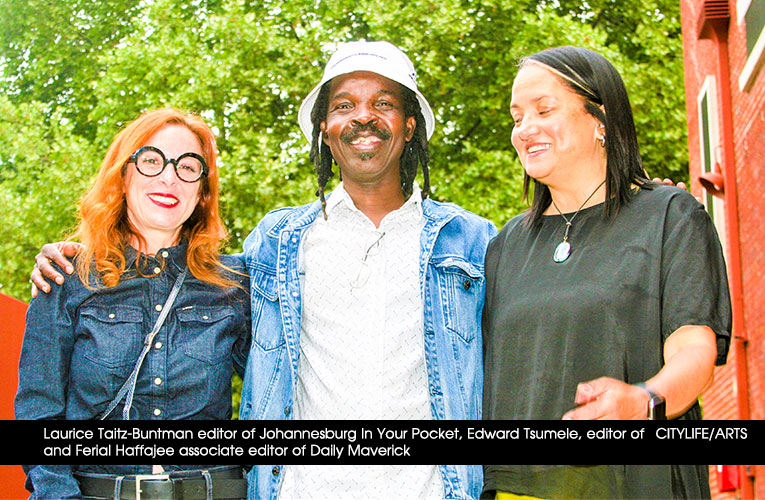
By Edward Tsumele, Winner of the NHC Heritage Journalism award 2026

If there is the one book that captures well, the contribution of black playwrights to what South African theatre canon has become in post-Apartheid-South Africa, is this one.
Mainly creating works from their township base, specifically the sprawling Soweto, mainly for black audiences and liberal whites, who wanted to understand the level of anger and resistance to Apartheid to by black bodies, often the effect of apartheid on the black bodies were expressed though books, theatre and song, and no wonder some of them getting banned for the fact that the works were successful in creating awareness and harnessing the energy the oppressed towards the oppressor.
This is because art in South African has played an important role historically, resisting the oppressive system of the Apartheid. Art forms such as music, visual art and theatre for example, were employed successfully by artists as a weapon in the service of the struggle against Apartheid.
The sprawling township of Soweto, created by Apartheid authorities as a labour reserve to service particularly the mines, became a hot bed for political activities during apartheid, with activists agitating for freedom for black people.
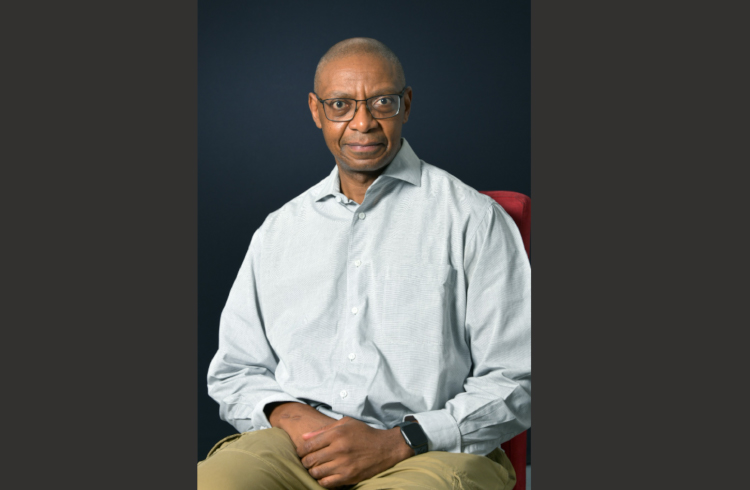
Playwrights from the township played a crucial role in creating works that fought Apartheid. Three of those playwrights are a subject of this new book, written by former Journalist and civil servant-turned academic Dr Andile Xaba.
His book titled Soweto’s Theatre of Resistance 1984-1994, focuses on the works of Gibson Kente, Maishe Maponya and Matsemela Manaka, created and performed while they lived in the township.
In the case of Kente, his plays were performed exclusively in township community halls and churches and they filled the venues as township folk flocked in big numbers to watch his shows, that he wrote, directed and produced himself.
Maponya and Manaka’s plays were also performed in the township as well as elsewhere, including at the Market Theatre in the case of especially Manaka.
The role that these three township icons played in developing and popularising their works in the township, is well captured by this book.
It is therefore, befitting that Xaba celebrate this milestone by hosting a seminar about the book at Dr Miriam Makeba Concert Hall, UNISA on October 31, 2026.
The UNISA academic, is therefore inviting the public to attend this free seminar that will shade more light about not only the book, but the personalities that are featured in this book, and how despite the existence of the restrictive environment in which they work, they managed to produce excellent works of sustainable theatre.
This seminar will also be the Soweto launch of Theatre of Resistance 1984-1994.
Therefore in as much as this is a celebration of Dr Xaba’s book, it is also a celebration of Soweto’s creativity and its role in fighting against Apartheid, using art as a weapon.
Those interested in attending the seminar can do so through: xabaa@unisa.ac.za by 28 October, 2026.