

Contested idea of Coloured Identity takes centre at Wits book talk
Facilitated by poet and anthropologist Lebohang Masango, the divergent views on the issue of Coloured identity between the two academics during this conversation that was well attended by a cosmopolitan audience – students, academics, comprising the rainbow nation – Coloured, African and whites, in many respects, mirrors the contested site Coloured identity in general in South Africa.
By Edward Tsumele, Winner of NHC Heritage Journalism Award for 2026
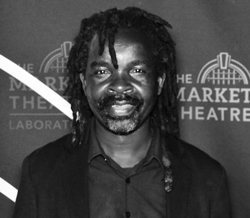
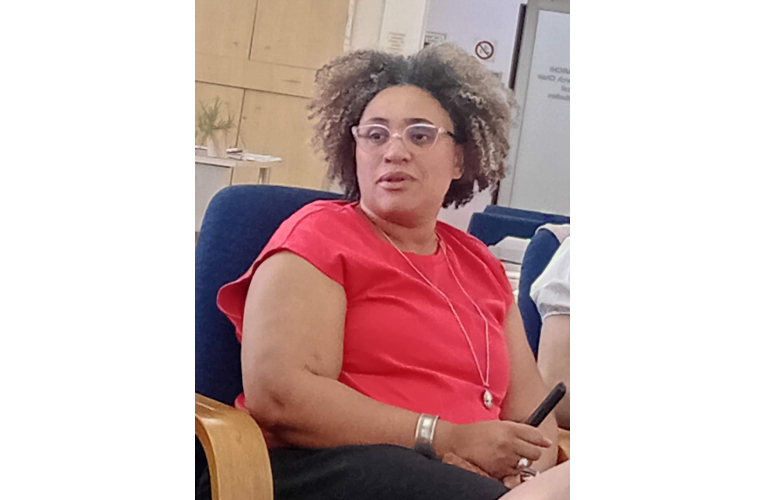
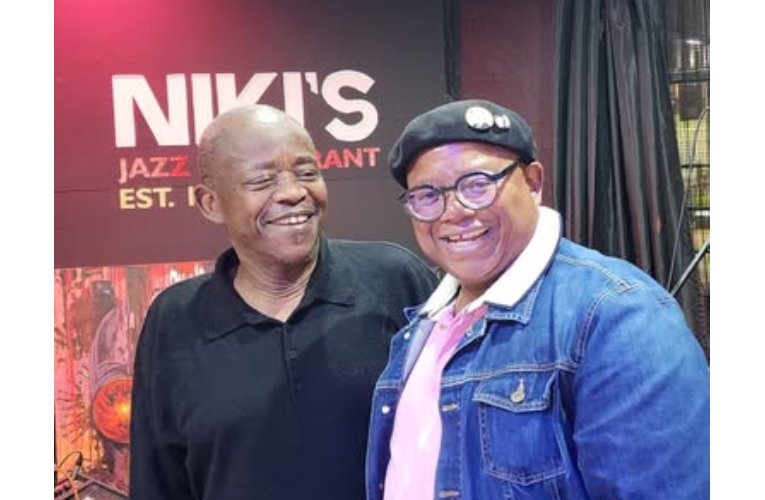
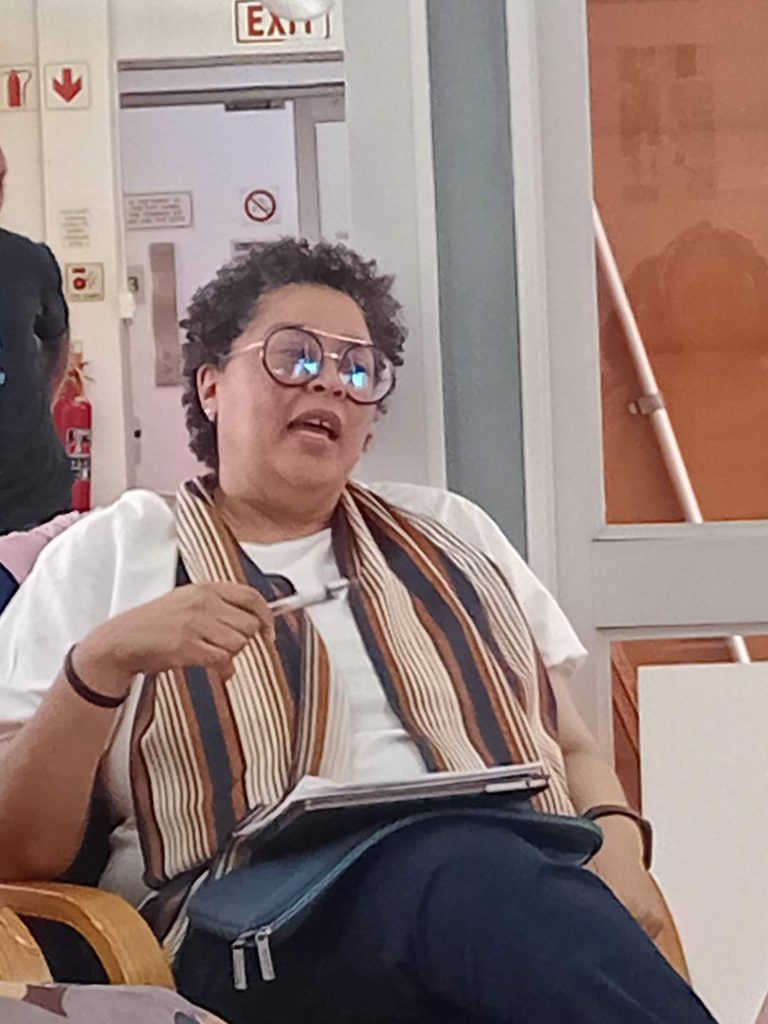
Two Academics Professor Rene Smith, Head of s School of Arts, Professor Nicola Cloete, author and academic, were raised in two separate ‘Coloured’ townships a few kilometres from each other, but ain the same hospital. They went to the same school, but had not known about each other until recently.
In fact, both scholars are what you would call Coloured in the context of South Africa racial categorisation history that also carries the baggage of racialised hierarchy.
Although both academics come from two Johannesburg townships, that during apartheid, were declared Coloured townships, and both are light skinned, the similarities end there.
“I had never met Nicola before till recently, when we met at a memorial service of someone we both knew. We in fact, attended the same school, as it turned out, and both of us lived in townships not far from each other.
“When it comes to our identities, we self-identify differently. I do not call myself Coloured, while she does,” said Rene.
This vexatious conversation about race, culture and identity took place at Wits Centre for Diversity Studies, E’skia Mphahlele Building in Braamfontein on Wednesday, October 14, 2024, foregrounding the talk about Nicola’s book, which got a lot of public attention, when it was published this year. The talk which is framed within the ongoing Wits Diversity Studies Centre Wednesday talk series, featured Nicola and Rene as discussants of the complex issue of Coloured identity in South Africa.
The topic was Holding Memory –a conversation about slavery and its afterlives in South Africa, which essentially centred on how the mobilisation of this long marginalised history allows descendant communities and other stakeholders to assert a validated place in the post-apartheid nation.
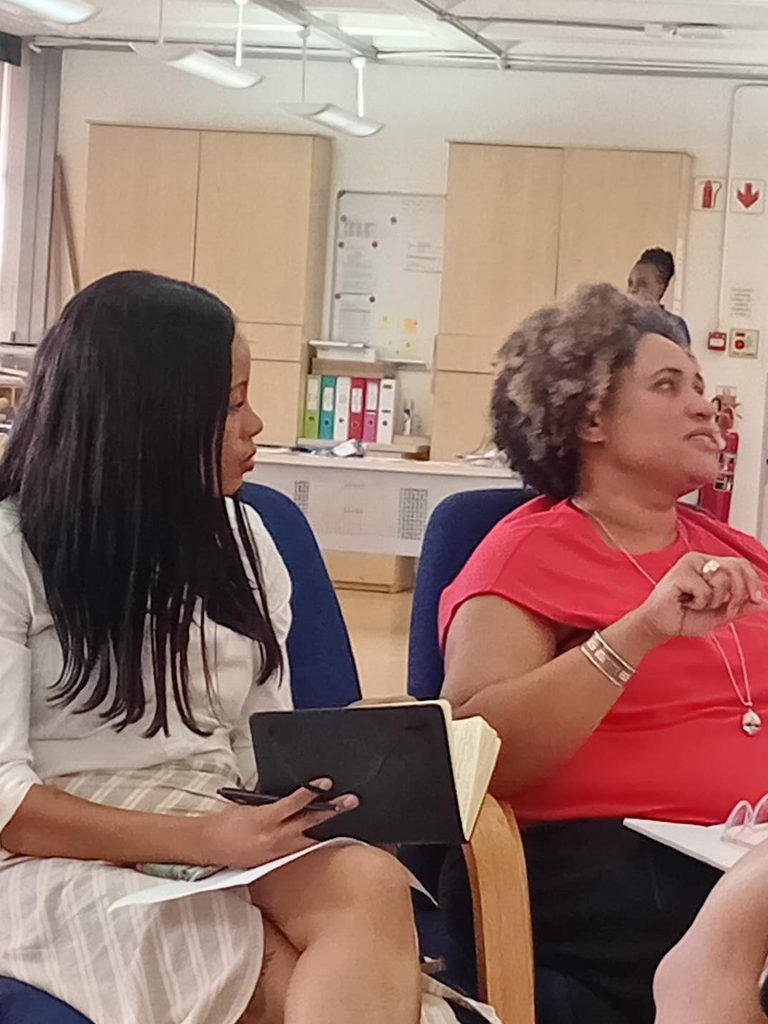
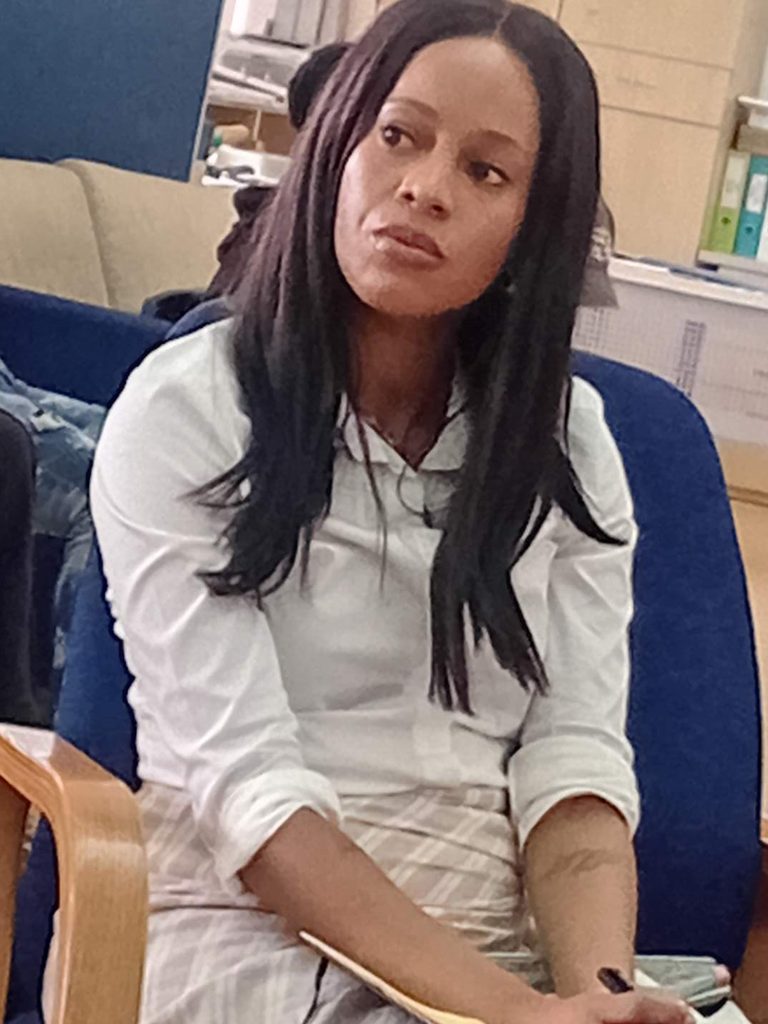
Facilitated by poet and anthropologist Lebohang Masango, the divergent views on the issue of Coloured identity between the two academics during this conversation that was well attended by a cosmopolitan audience –students, academics, comprising the rainbow nation –Coloured, African and whites, in many respects, mirrors the contested site Coloured identity in general in South Africa.
For example, even though there are some in that community who readily and are happy to identify as Coloured, not everyone calls themselves Coloured in that diverse community. It is in fact a community whose culture is rich and diverse.
For example people referred to generally as Coloureds in the Western Cape, do not necessarily share the same experiences as those from Durban or Johannesburg. The community besides the issue of the language is in fact shaped by different circumstances and experiences in life.
The word itself was coined by the Apartheid government in order to classify mixed race people to fulfil the apartheid racial segregationist policies’ appetite for creating dichotomies among South Africans in order to control them.
However as years went by, some accepted that classification for the purposes of cultural identity, while others rejected it out-rightly, preferring to be called black just like their cousins. There are many such individuals, particularly those active in different political formations during the struggle for freedom, whether as Members of the ANC, Pan-Africanist Congress, United democratic front and so forth and so on
This has resulted in a situation whereby that racial identity, created by people who wanted to divide black South Africans, has remarkably endured into post-Apartheid South Africa.
Certainly there are those who are not only happy, but proud to be called Coloured. An example being award winning South African pop sensation Tyla, who took that identity to the US, and when confronted by the reality of African American politics of identity found herself having to explain her distinct Identity within the broad frame work of Coloured identity in South Africa.
And so this conversation was quite interesting as it put the spotlight on this often contested site of identity within the Coloured community of South Africa.
It is therefore important that an academic of the calibre of Nicola, was able to do extensive research about this identity issue, which is very much part of the South African contemporary identity conversation, resulting in the publication of this scholarly work.
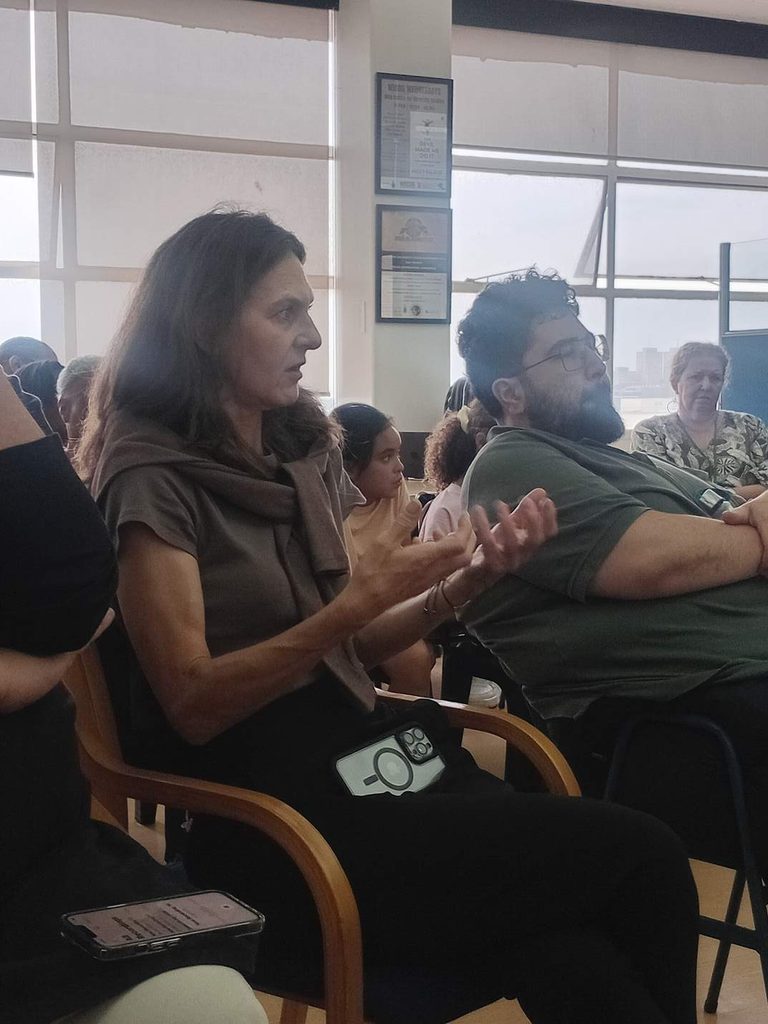
“For my book, I chose not to do a book launch because those are boring, instead, I chose the route of talking about my book and get people to engage based on the short introduction of what the book is all about that I would have to give. At normal book launches, the audience is asked to engage with a book that they are yet to read,” said Nicola.
About the book
Nicola Cloete’s most relevant book on Coloured identity is titled Slavery and Post-Apartheid Cultural Production in South Africa: Holding Memory (Routledge, 2026). While it does not focus exclusively on Coloured identity, it engages directly with it as part of broader discussions on memory, heritage, identity, and nation-building in the context of South Africa’s history of slavery.
Core focus and approach
Cloete combines theoretical, archival, and ethnographic research to explore how memories of slavery are mobilised in post-apartheid South Africa The book examines sites such as wine farms, museums, memorials, walking tours, and other cultural practices to show how memory is “embodied and emplaced” through affective encounters
A central contribution is her theory ofholding memory, which argues that remembering slavery can validate claims for participation and belonging in the post-apartheid nation for diverse groups, including those historically marginalised
Connection to Coloured identity
Cloete explicitly addresses slavery and racial identities as a chapter topic, situating Coloured identity within the political and cultural negotiations of race, heritage, and reconciliation. She shows how memories of slavery are negotiated between cultural identity and national discourses, meaning that Coloured identity is both shaped by and shapes these broader national narratives.
The book also considers heritage tourism, memorialisation, and cultural production as sites where Coloured identity is represented, contested, and re-imagined in the post-apartheid context.