




Downton Abbey, The Grand Finale: Each scene in this film is a tapestry of style and substance
Reviewer: Funeka Bambalele
Film Title: Downton Abbey: The Grand Finale
Premier Date: September 12
They say all good things come to an end. This is a sum-up of the gist of the story in the film Downton Abbey: The Grand Finale that hits your big screens near you on Friday.
Directed by Simon Curtis, the drama film comes from the sequel Downton Abbey: A New Era and final film in the Downton Abbey franchise. From the first minute, you gear yourself for true entertainment.
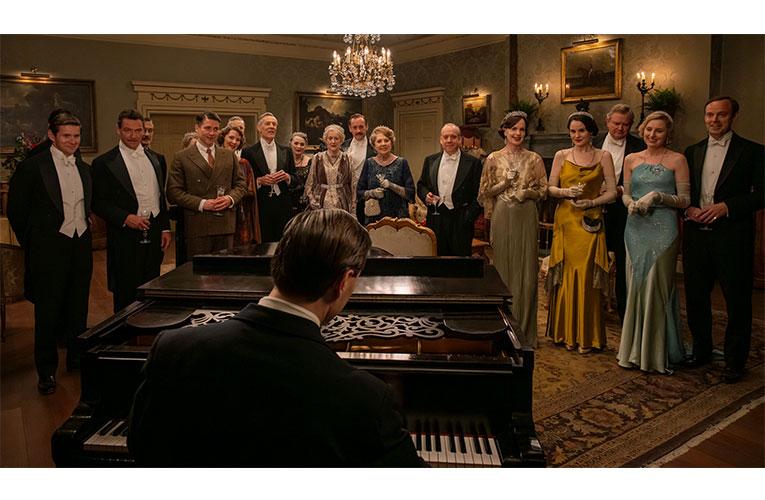
The opening scene which is a classical music performance did more than just set the mood; it stirred something deep within me. It made me feel a mixture of serenity and curiosity, eager to see how the narrative would unfold and how the themes introduced through this musical prelude would resonate throughout the film.
The mood is set with a masterful touch, evoking the elegance and complexity of the 1930s, a time when fashion was an art form and every detail told a story.
The film’s visual palette is nothing short of mesmerizing. It transports viewers straight into the Decade of Design, capturing the fluidity of bias-cut evening gowns in liquid satins and silks that seem to ripple with every movement.
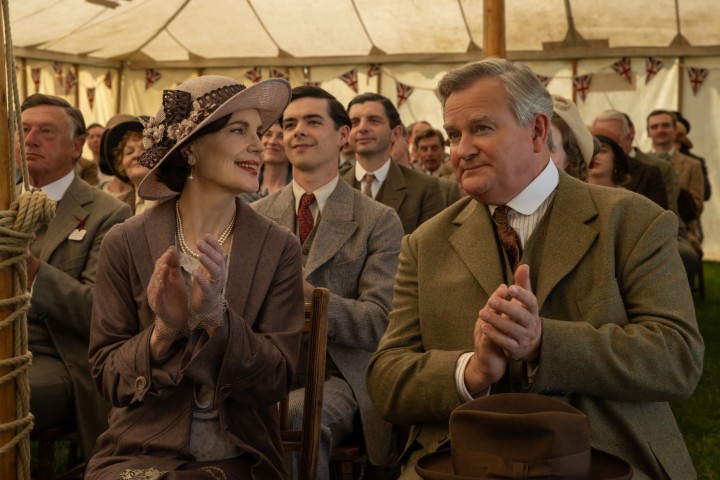
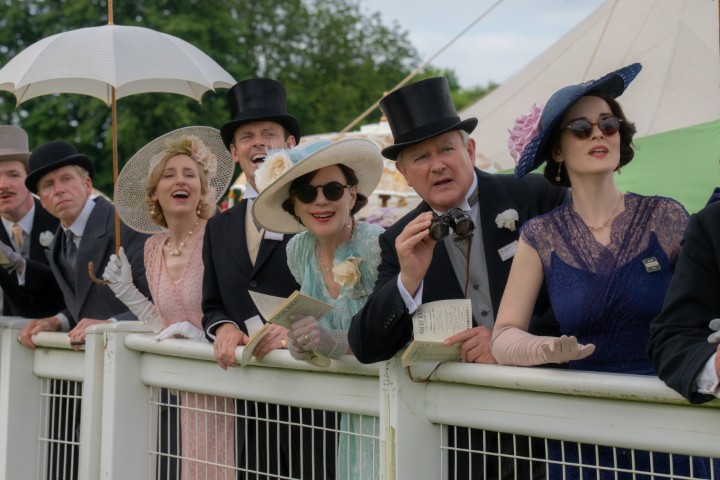
The costume design is a triumph—tweed suits, flounces, frills, and the ever-chic berets and tilt hats—all meticulously crafted to evoke an authentic sense of time and place. These garments don’t merely adorn the characters; they breathe life into their personalities, making each scene a tapestry of style and substance.
The film follows the Crawley family and the loyal staff of Downton Abbey, a fictional county of Yorkshire in England as they face a new era of uncertainty. Robert Crawley has been ruling for a while as the 7th Earl of Grantham.
He finally relinquishes his position, handing over the reins to daughter Lady Mary. This happens when Lady Mary’s divorce is still the talk of town. With tradition colliding with modernity, both family and staff are forced to adapt, as the next generation takes the lead in guiding Downton Abbey into the future.
Lady Mary shows true character as she rises above the mistreatment she faces for being a divorcee. She takes everything on the chin and carries herself with dignity. The film’s narrative delicately balances tradition and change, exploring themes of resilience, dignity, and the inevitable passage of time.
One of the first things you notice within minutes of watching the film is its quality. It’s clearly a well-funded production, evident in the strong performances, the large and talented ensemble cast, and the exquisite cinematography that beautifully captures textures, expressions, and the atmosphere of the era.
The production design transports you seamlessly from the concert halls to cozy to quiet, introspective moments. Special effects are used sparingly but effectively, emphasizing authenticity over spectacle.
Director Michael Engler masterfully crafts a visual tapestry that beautifully captures the grandeur of Downton Abbey while also highlighting intimate moments of vulnerability. The cinematography is lush and evocative, with warm lighting and meticulous production design that transports viewers straight into the opulence and simplicity of the era.
Acting and character development remain a highlight. The ensemble cast delivers nuanced performances that deepen our connection to these characters—their hopes, struggles, and triumphs. It’s particularly moving to see how each character navigates change and continuity, and the film skilfully balances humor and heart, often evoking genuine laughter and tears in equal measure.
Costumes by Anna Robbins, from the gowns to the tuxes to the glittering jewellery all look glorious too, immediately transporting you back to the period.