




Hard time for media at the National Arts and Culture Awards as top artistic talent get recognition
By Edward Tsumele at the Sun City Superbowl
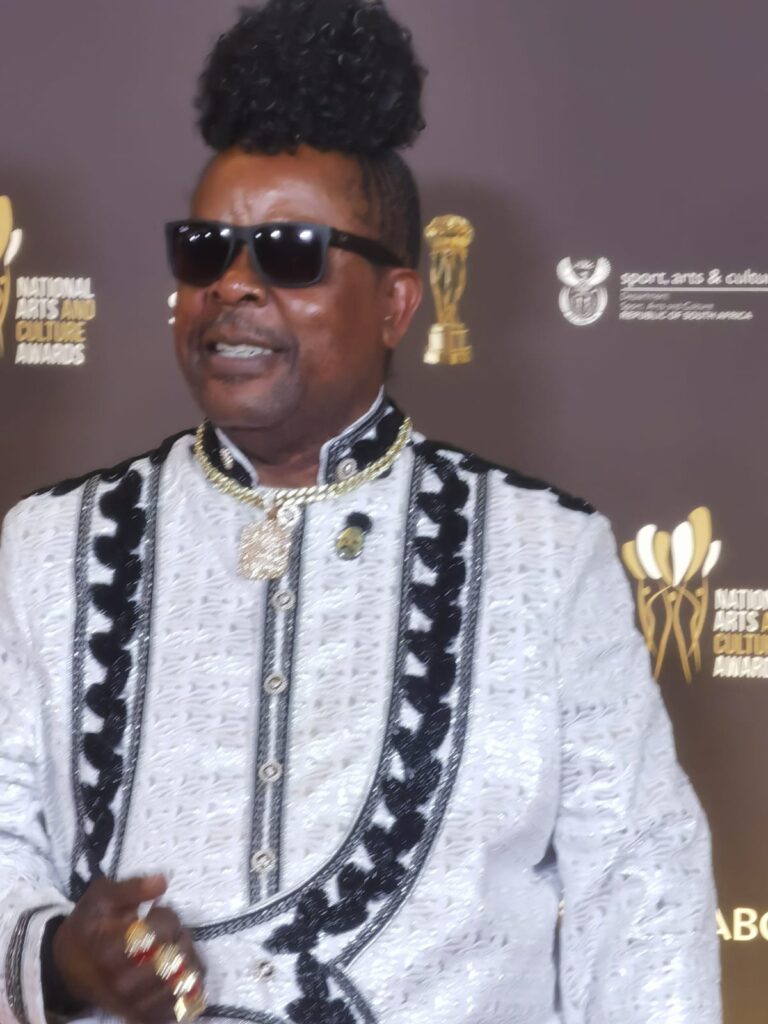
The National Arts and Culture Awards that took place at Sun City in North West Province on Friday 22 August 2025 in the Superbowl was a mixed bag of the excellent and the very ugly.
Now let me be nice and start with the good. Actually, very good and it is important to give credit where it is deserved. The organisers this year unlike last year at the Sandton Convention Centre where chaos ran supreme with regards to registration processes and sitting arrangements this time did well. Very well actually. To start with the Red-Carpet event felt like one with high powered dignitaries and Very Important Persons filing in smoothly and the ushers were polite. Again, actually very polite.
Well, I am getting ahead of myself now.
In fact from the time the media got there in two hired quantum buses it appeared as if we were in for a good time at this popular resort conceptualised and developed by the late maverick entrepreneur Sol Kerzner during the height of Apartheid when gambling in the rest of South Africa was a crime, except of course in the ‘independent’ homelands of one Lukas Mangope and the Transkei of the Matanzimas’.
When after checking in at our hotel the PR team really decent fellows who tried their best to make sure that our needs were met right from our departure at the SABC on Friday and during our stay there, told us that we were going to enjoy launch at Spur that is actually housed at the venue of the awards, we became expectant. Actually excited.
We of course did not expect to be personally received by the Minister Gayton McKenzie who we found patiently waiting for us at the venue to welcome the media corps that comprised a mixed bag of real media, and here I’am talking about the media that really trained for the profession, some with holding diplomas and even post graduate qualifications from prestigious institutions of higher learning and of course the new media comprising what is generally known as citizen journalists – someone who has a cell phone with which to record events such as the awards and put it up on their new technology enabled channels such as YouTube and Tik Tok for the benefit of their followers.
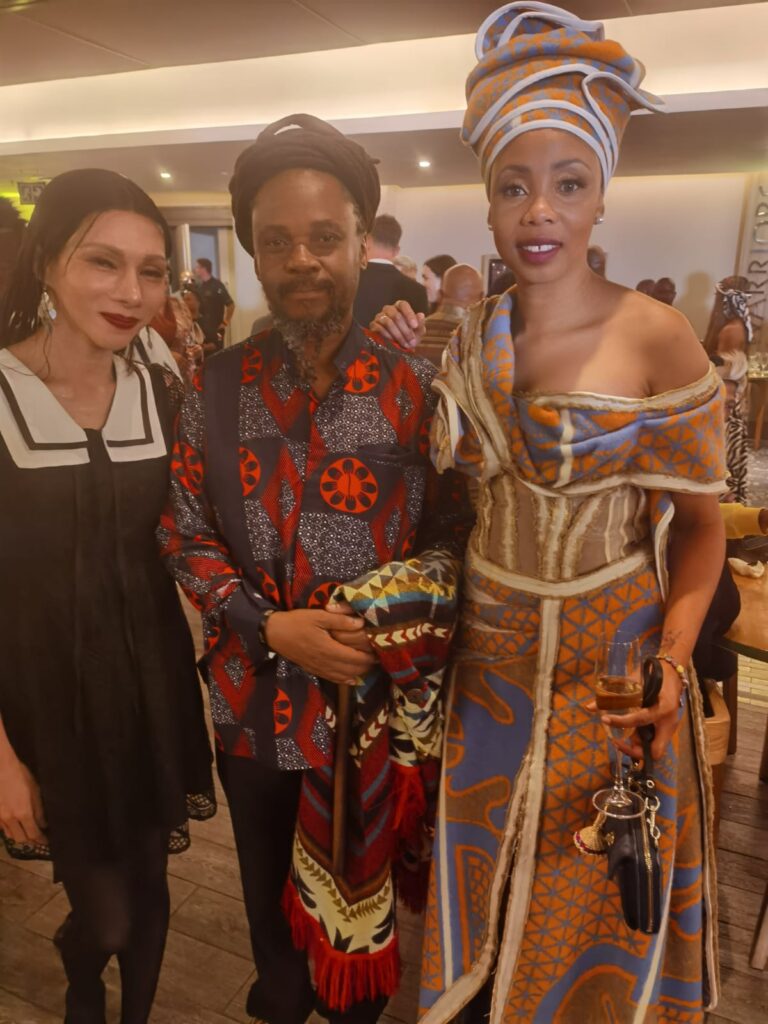
These are not journalists in the strict sense of the word as they come from all sorts of backgrounds such as fashion, modelling and I would not be surprised if in our company Bin the bus there was someone who was once a motor mechanic before they discovered that they could make money by Simy using their cell phone by pretending to be a journalist and calling themselves an influencer.
This is however not to say that the new crowd on the media landscape have no role to play in information dissemination. The reality is that they do but only if they could also consider at least learning the basics of the craft. Getting hold of a booklet called Media Ethics would go a long way in that regard. You will soon understand the significance of this and why those of us calling ourselves proper journalists were not happy with the Department of Sport, Arts and Culture, (DSAC) the organisers of NACA because of how they treated us. We were actually ambushed, and as a result left high and dry, but nothing we could do about it.
Here is the thing. When we arrived at Sun City on Friday, we were treated well, including being welcomed by Minister Gayton McKenzie, greeting each and every media person by way of a firm handshake. That does not often happen with our current crop of ministers. That was cool.
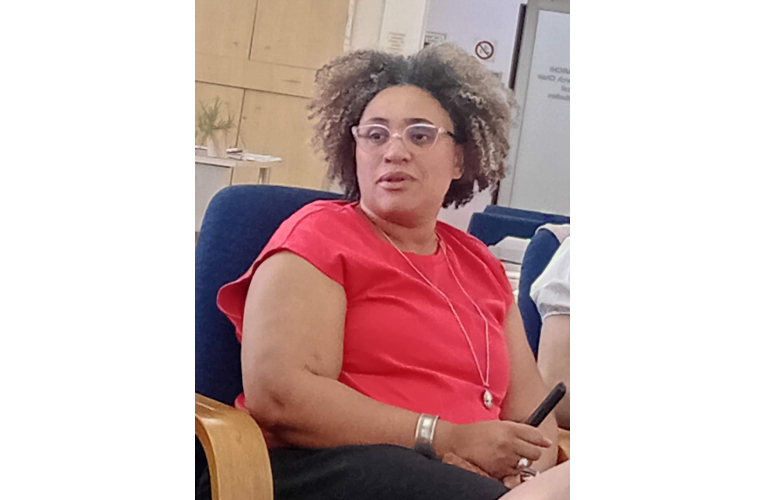
The bombshell however happened when we were summoned to a room for a briefing that we had taken for granted was going to be routine about the logistics of how were going to cover the awards. But that was not the case. Instead Zimasi Velaphi the DSAC head of marketing and communications called us to drop a bomb on us. I should have read the signs in the room because as soon as we arrived there that she was not carying good news for the media. I mean she was seated in a hunched position and she was not smiling. Then the blow was delivered calmly but firmly. It was a hard blow to take. We were not going to be allowed to do our job until after 7.30m the following day because the SABC signed an exclusivity clause with DSAC. Some among us must have thought that we were deep in a bad dream. Actually, a nightmare.
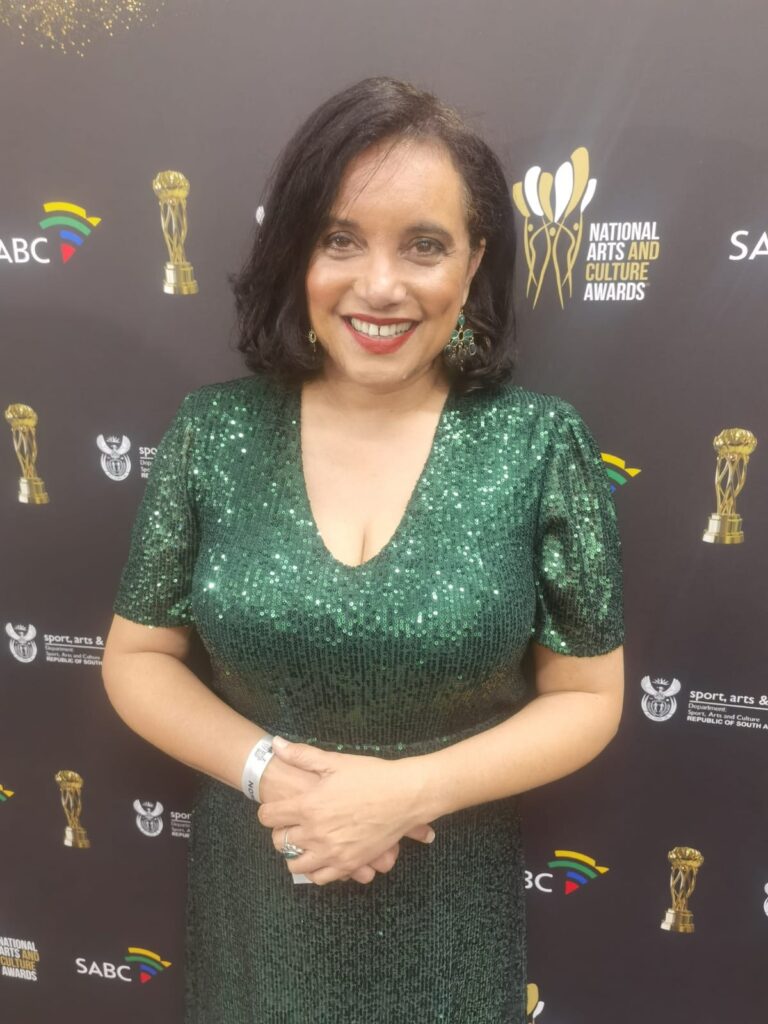
The question that arose then was how was that going to be possible during this age of short lifespan of news cycles, made even more pressing by the presence of citizen journalists who as soon as the proceedings start they would whip out their phones from their pockets and starting shooting images of the whole thing and broadcast to the outside world with or without permission from DSAC.
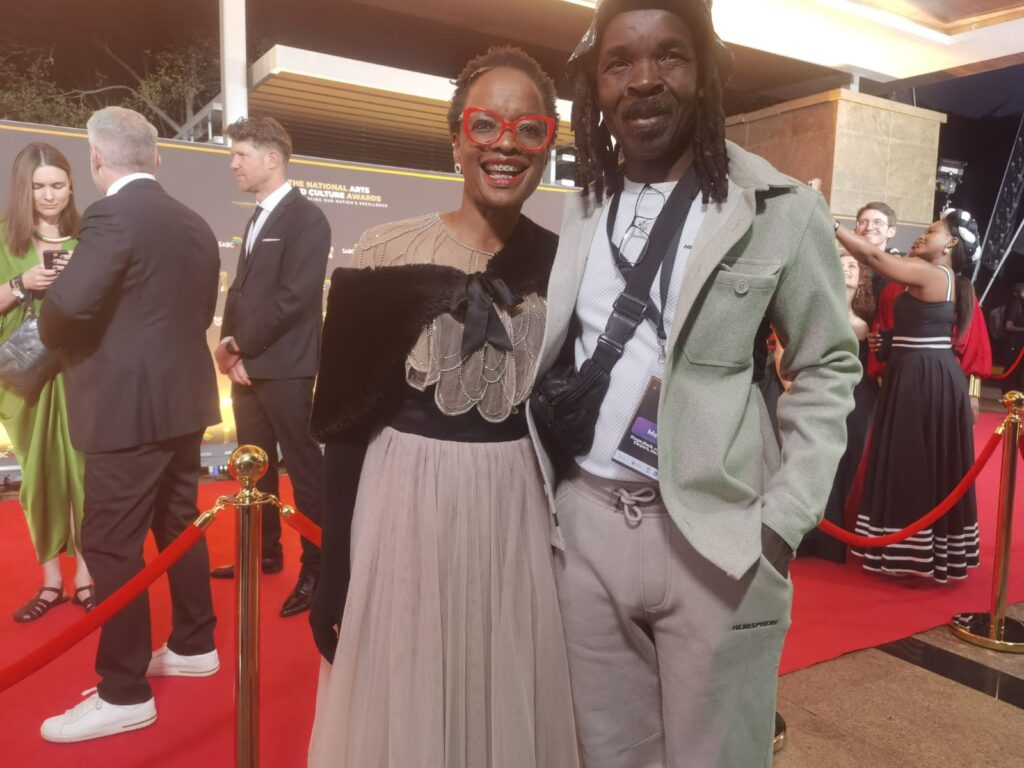
We were even told that we were encouraged to make use of ‘Mixed Media Room” allocated to us outside the Superbowl instead of getting inside as they said there was no space for us (The rule was relaxed with limited numbers allowed in while giving each other turns right in the middle of the show and no wonder a few took that opportunity choosing instead to relax and enjoy a well-stocked fridge and a sumptuous meal in the Mixed Media Room). At the end we had to watch the screen with its sound muted and therefore we could not hear a damn thing. It really was absurd to be so close to the action and yet far, made even more absurd by watching the lips of winners and other speakers including Deputy President Paul Mashatile who gave the keynote address move and yet could hear nothing of what they were saying.
But we all knew that to claim that reporting on the event was embargoed till Saturday evening was a nonstarter. First of all, this demonstrated a generous lack of understanding the evolution of technology. With the exception of legacy media who understand the importance of sticking to embargoed information, a well-established tradition and agreement between sources of information and the media, no one else was going to stick to that principle.
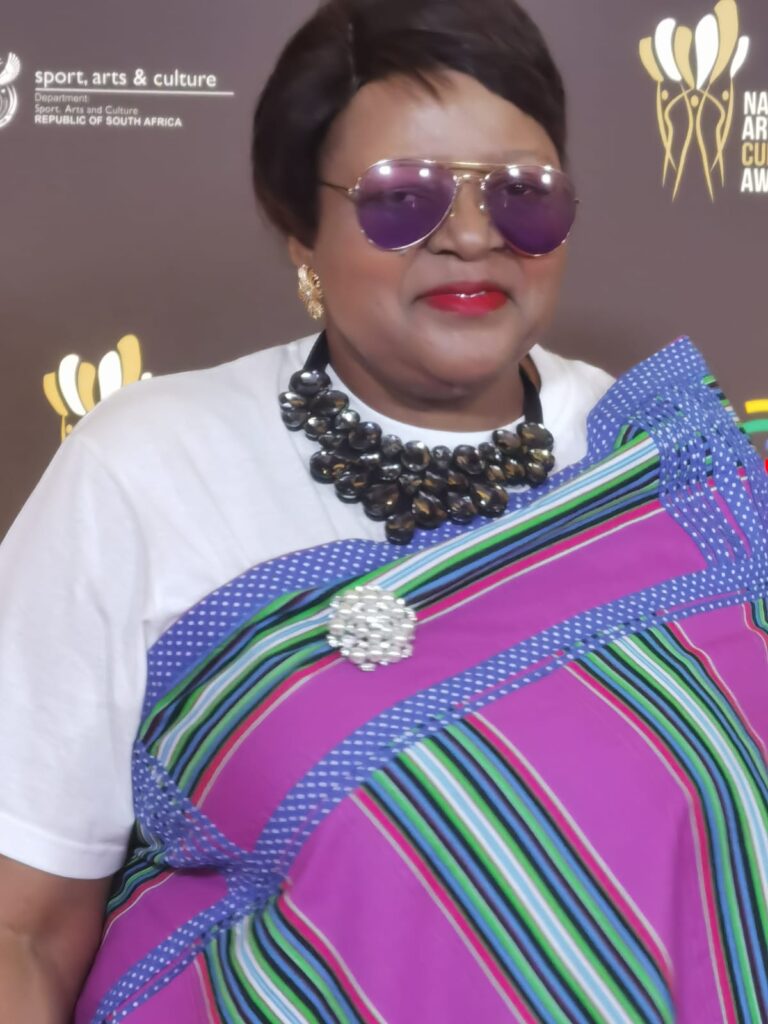
The effect of this decision was to cruelly punish ethical media who of course had to respect the embargo while giving a free for all to everyone else to do as they wished, including our cousin’s media such as TikTok Kers and citizen journalists. Basically, the influencers were given a free hand while we were denied the same opportunity.
That evening Friday, August 22, 2025, journalism ethics were tested to the limit.
I was not even surprised when one of the influencers on our way back from Sun City to Johannesburg on Saturday, showed me a clip of the recording that she uploaded to her channel as the awards took place. Another journalist in the bus even said someone was reporting live from inside the Superbowl as the awards ceremony unfolded on their Tik Tok channel.
To put it frankly, it was a bad idea to ever have included such a clause with the public broadcaster and still invite the rest of us to come, chill, having food and drinks instead of doing what we went there for in the first place. Also, it shows a serious lack of understanding that news dissemination these days is to a large extent is determined by the evolution of technology. Hopefully next time DSAC will do better instead of spoiling was generally a good event with deserving winners being recognized handsomely on the day.