



Paul Weinberg’s Between the cracks exhibition at Wits Art Museum is the making of a country-transitioning from apartheid to democracy
By Edward Tsumele, CITYLIFE/ARTS Editor
It does not matter how many times one has seen exhibitions, and some of which really tickle your imagination, as there is always that next big thing that you dare not miss. This is the feeling I had recently when an invitation from Wits Art Museum popped in my inbox. I felt excited and really looked forward to this one as if it was the first time I had been to a photographic exhibitions, even the very good ones for that matter.
This is because Paul Weinberg is no ordinary photographer, and after all I had previously only admired his insightful documentary photographs, a genre that he is known for over several decades, through the several books he has authored as well as in magazines that I came across for several years now. Those photographs, as I think this may apply to several other people who have come across his work, left a huge impression on me. They have always been iconic, still but talking volumes as they face you. Weinberg is one photographer whose story telling through the medium of photography is powerful and speaks to a viewer in a most sophisticated and yet discernible way. The photographs move you, speaking to all your senses, and that is a powerful way of connecting and communicating. Not every photographer can achieve that feat with their images.
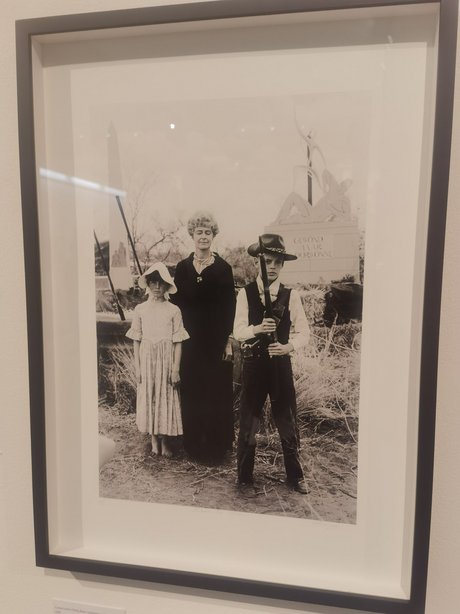
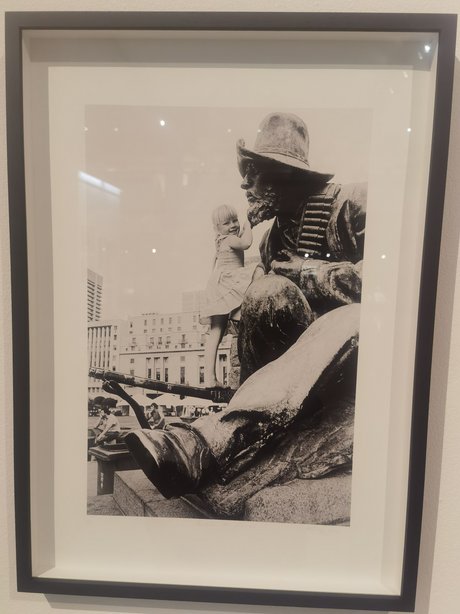
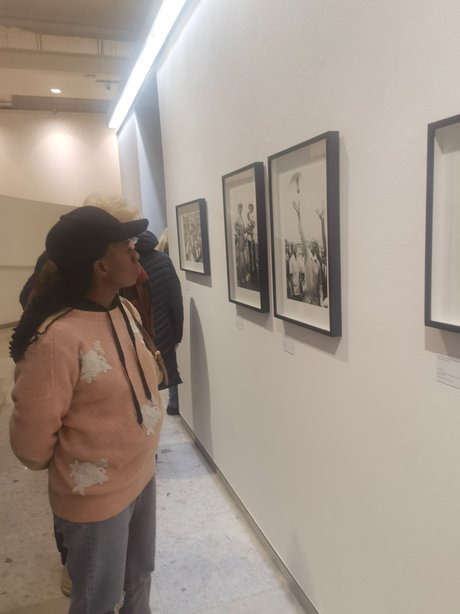
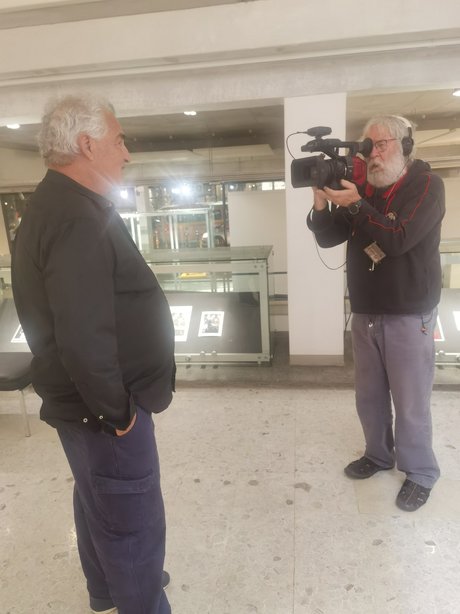
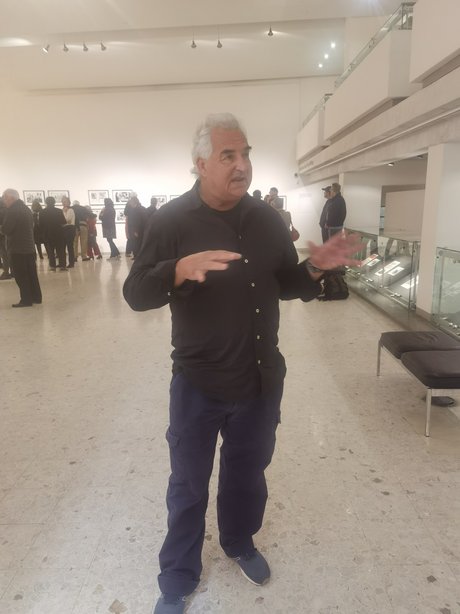
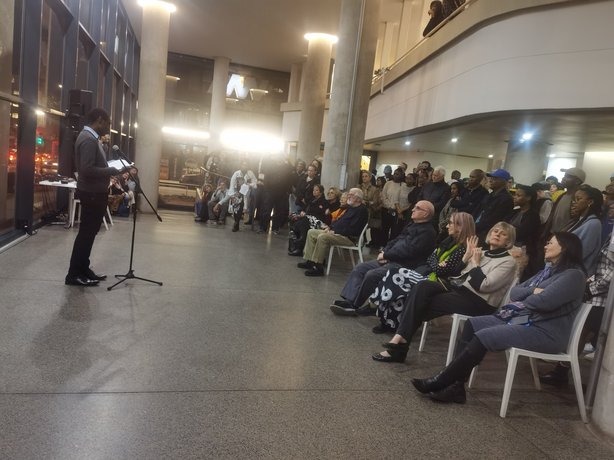
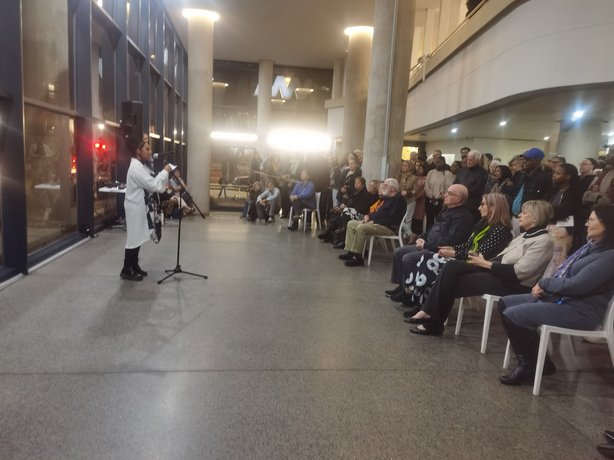
And so when that invitation came my way, to attend the opening ofBetween the cracks: on Tuesday 13 May 2025, I knew right away that I would be struggling to move around in the Wits Art Museum in Braamfontein simply because I would be among several other people who would turn up for this legendary South African documentary photographer’s retrospective exhibition. After all this is an exhibition that defines his entire career as a photographer. The exhibition was opened by none other than respected South African historian Professor Thulasizwe Simpson from the Faculty of Humanities, University of Pretoria. There is a reason for that as you will find out as you read further.
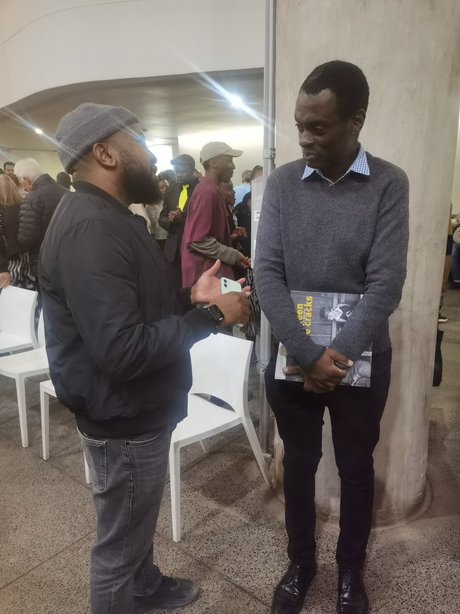
But for now, true to my prediction, the place was full of both young and old, people who have followed the photographer’s work spanning more than 50 years.
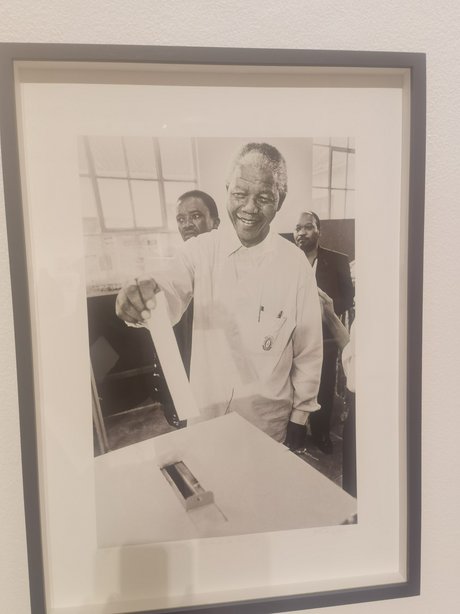
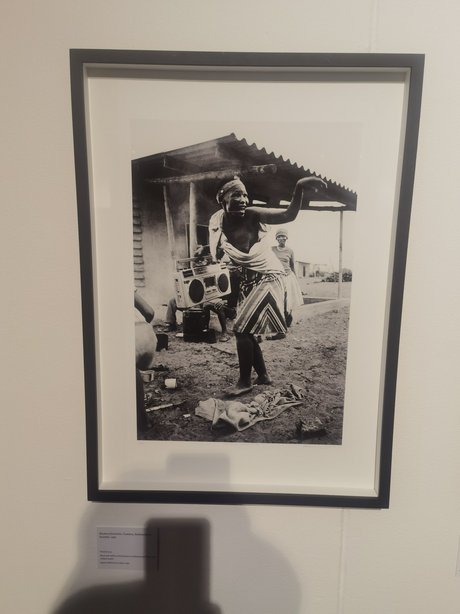
This retrospective exhibition brings together nearly five decades of Weinberg’s extensive photographic career. His work has taken him on multiple journeys and he has sought to go beyond the headlines, engaging in in-depth storytelling. Between the cracks: Paul Weinberg is grounded in the lives of ordinary people – often in the most difficult of times, under the constraints of racism and apartheid. Photography, for him, became both a form of resistance and a means of survival.
Between the cracks, expertly curated by Fiona Rankin-Smith is indeed an eventful journey into one of the country’s best known and respected photographers, who has recorded history in a powerful way. Some of the images on display are certainly of joy, for example a powerful image of Bob Marley performing at Zimbabwe’s Independence celebrations at Rufaro Stadium, Harare in 1980.
One particular photograph of Bob that particularly caught my eye and admiration in this exhibition is the one where the photographer caught Bob in full flight, with his iconic dreadlocks flying loosely over his shoulders. Marley appeared to be in as much in performance as he was in meditation. The famous reggae icon, who composed a special song for that celebration titled simply Zimbabwe was clearly performing for a huge crowd that turned up on that important day to celebrate a new dawn, a new country and change of political leadership that saw former guerrilla fighters become the new leaders, dislodging from power the white minority government of Ian Douglas Smith. This in fact, was Weinberg’s first major assignment for the publication he worked for in South Africa at the time.
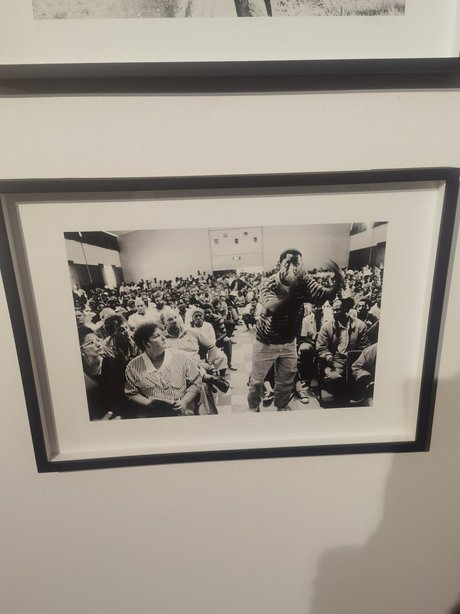
Some images though are of pain, for example those that capture the arrogant display of power and force by the South African Defence Force and the South African Police as they drove armed to the teeth, around South Africa’s townships, which at the time were on fire as people protested against the apartheid government during the tense 80s. This is when South Africa was under the firm grip of the State of Emergency, in full force and and brutal.
Political repression was at its worst. Paul captured those moments in so a powerful way that a viewer feels the intensity of the time. It is for that reason that Paul is sometimes referred to as a reluctant war photographer. This is in reference to the fact that photographs of the time that he produced can be argued, are documentaries of a war time South Africa. He clearly did not enjoy the work that he had to do-that is documenting pain, but had to do it anyway, and hence the reluctant war photographer nickname.
The photographer also had am ethically difficult job of attending funerals of activists that had been killed by the apartheid machinery, where it was not unusual to sight banned activists among the crowds. And therefore if a photographer willy-nilly took a picture of the crowd, inevitably he would be exposing the presence of wanted cadres at the funeral and risked them being hunted and arrested by the police.
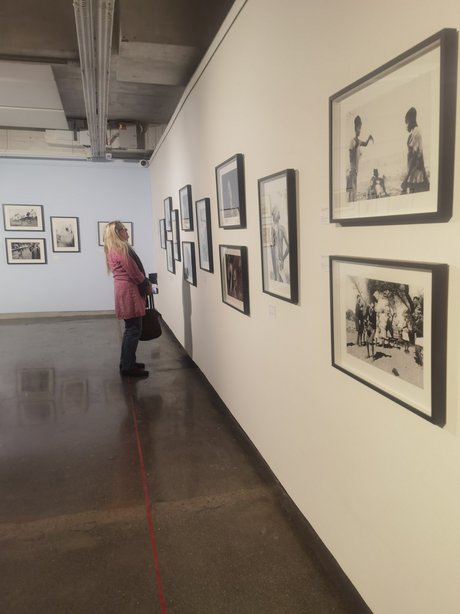
Therefore viewing Between the cracks: Paul Weinberg, leaves one with a clear understanding that one is not viewing an ordinary exhibition, but in many ways, this is South African history captured during a difficult moment in the evolution of the country from apartheid to a democratic South Africa in 1994. This is exhibition is therefore the making of a country, transitioning from apartheid to what it has become today.
Exhibition details
.Museum hours: Tuesday – Saturday, 10:00 – 16:00
Entrance is free and all are welcome
Exhibition dates: 13 May – 26 July 2025