


Touring Howard University students record song inspired by June 16, 1976, with lyrics in isiZulu and English
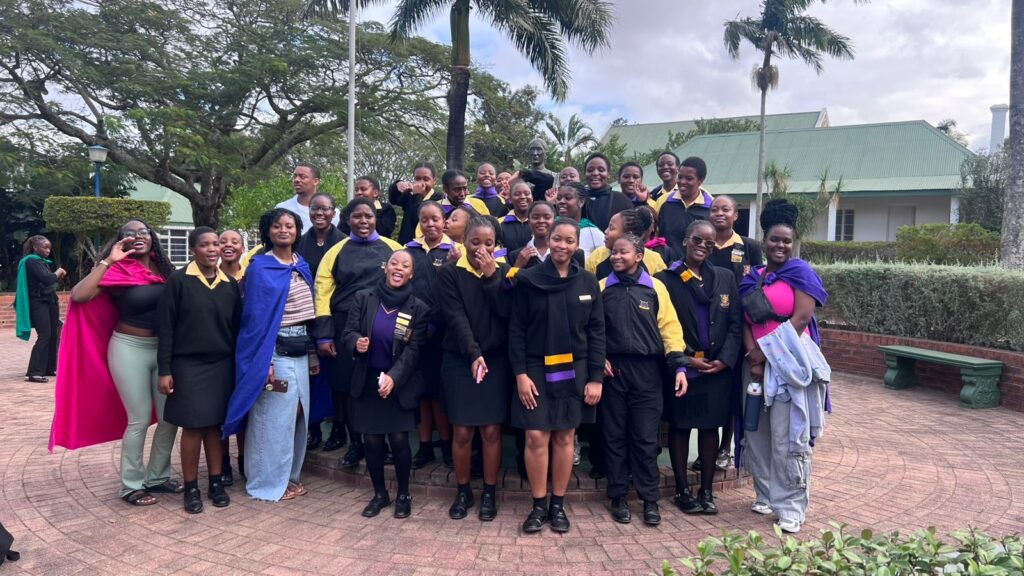
On this tour, the students also visited historically important sites, that included the Bhambatha Ambush Rock site, the Battle of Isandlwana site, and proceeded to Ulundi and visited cultural sites, including Emakhosini Valley, King Cetshwayo and Kind Dingane’s Royal Palaces, as well the graves of King Dinizulu and King Jama.
By Edward Tsumele, CITYLIFE/ARTS Editor
They have been traversing the country’s two cities, Durban and Johannesburg, vising places of cultural significance.
Now a group of students from Howard University in the US, have coined their tour of South Africa, with a recording of a song inspired by the events of June 16, 1976. That is when learners from Soweto, and later echoing in the other parts of the country, protested against the forced introduction of Afrikaans at Black Schools. That protest, sometimes called Soweto Student Uprising, changed not only the planned espistemological course of education at black schools, but the trajectory of the struggle for freedom itself. Adults fighting the struggle had to take a backseat, while the learners took the front seat of the struggle.
Theatrical plays have been made, a film has been produced, and books have also been published about the Uprising. Sarafina the stage and film of the same name, penned by the late Mbongeni Ngema, the current production that has just completed its run at the Market Theatre and Baxter Theatre titled RISE ’76: The Story of June 16th, based on the book by academic Professor Mxolisi Ndlovu, are a case in point. These add to the list of other intellectual properties produced by others to mark this event.
And now, the Howard university students, are not in South Africa during this tour, not only to deepen their knowledge of isiZulu and culture. They have recorded a song titled Weh Mah. Its lyrics are both in Zulu and English with a vibe of various genres, such as R&B and hip hop.
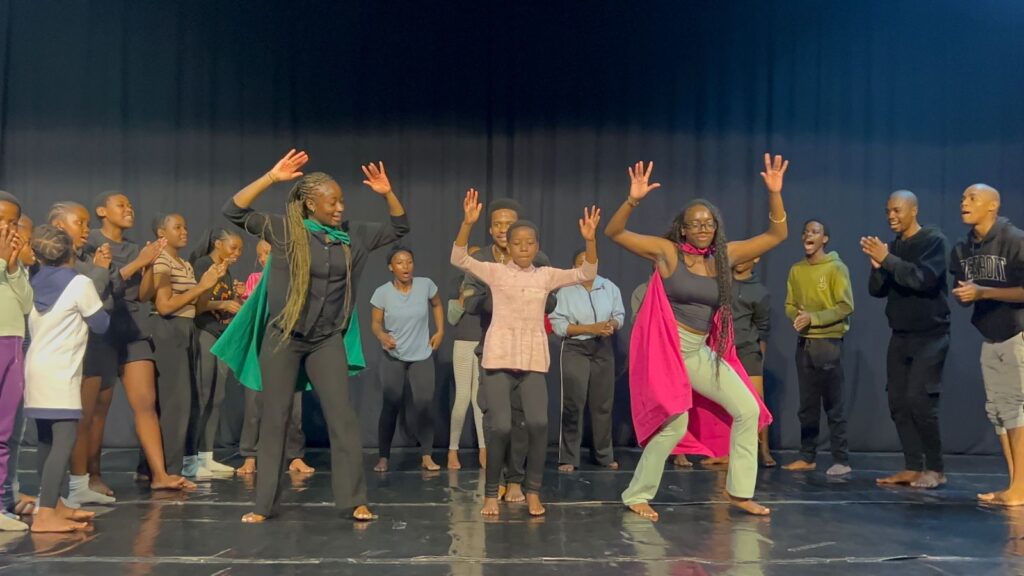
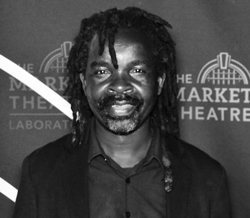
They did it! My Howard University, currently on a Zulu Language and Culture (tour) in South Africa, composed and recorded a song influenced by the Soweto Uprisings. The song is called Weh Mah. Thanks Ngane, Nkosi Sikobi for arranging this recording at Afrotainment. History was made here. It is still a rough mix,” wrote Dr Sipho Sithole, a South African academic who teaches isiZulu at Howard University. He is accompanying the students on this tour of South Africa.
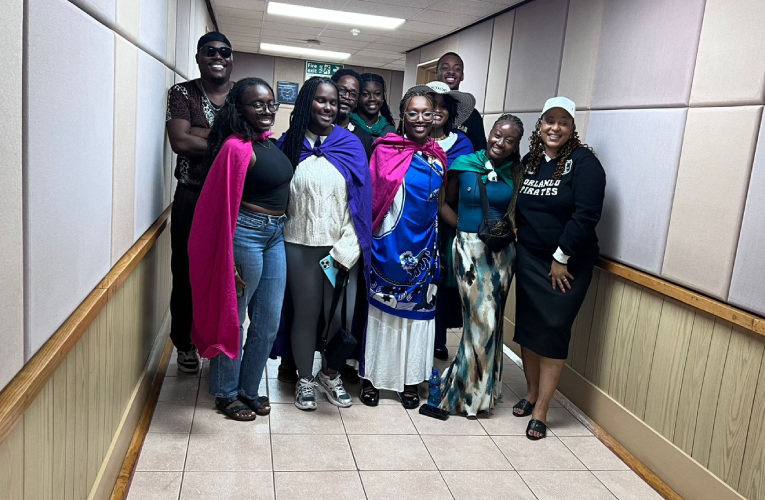
This tour is important to the students, especially with regards to their studies. Howard University is a leading historical black college and university in Washington DC. This tour is part of a cultural immersion program, as part of their Zulu Language and Culture course.
These students have been studying the Zulu language and culture for more than a year, under Dr Sipho Sithole, who also teaches African studies at Howard. University.
“This year, the tour aligns with the 50th Commemoration of the Soweto Uprising, which is inseparable from the Black experience in America, racial segregation, exclusion and oppression that reached its height during the Civil Rights era of the 60s.
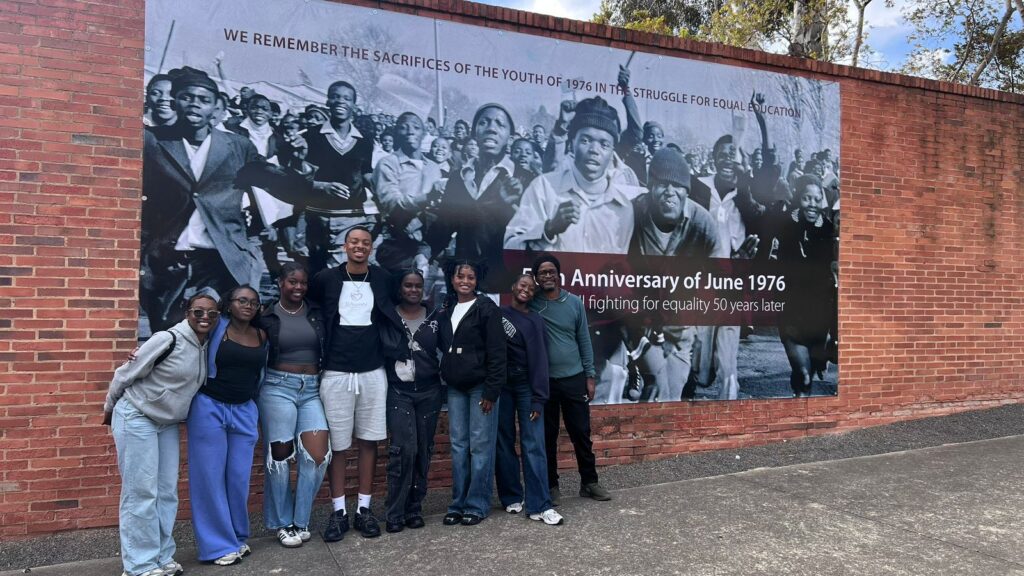
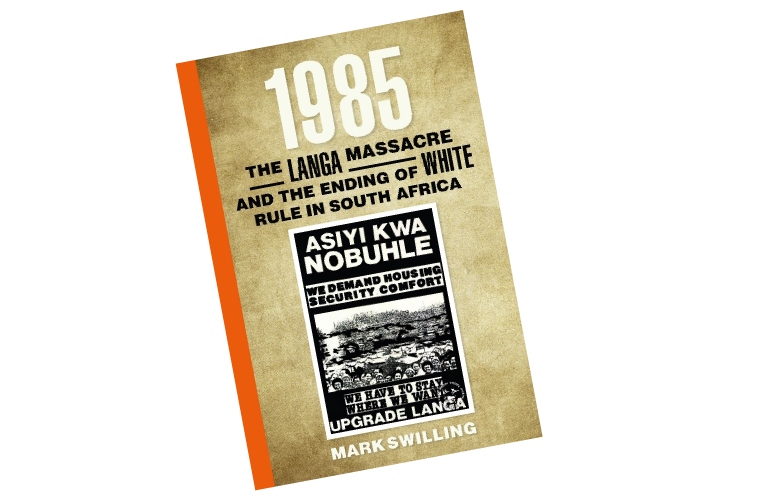
Since their arrival in South Africa, on June 7th, not only have the students been taking Zulu language instructions, they have also attended sites of socio-political significance, such as the Apartheid Museum, the Sharpville Massacre site, the Union Buildings, Regina Mundi Church, the Nelson Mandela House, a chill at Native Rebels Restaurant in Soweto, shopping at Kwa Mai Mai traditional market and including attending a book launch on the Soweto Uprising,” Sithole explained.
On June 16, the students watched Sarafina at Jabulani Amphitheatre in Soweto, as well as the screening of the Sam Nzima documentary at Soweto Theatre.
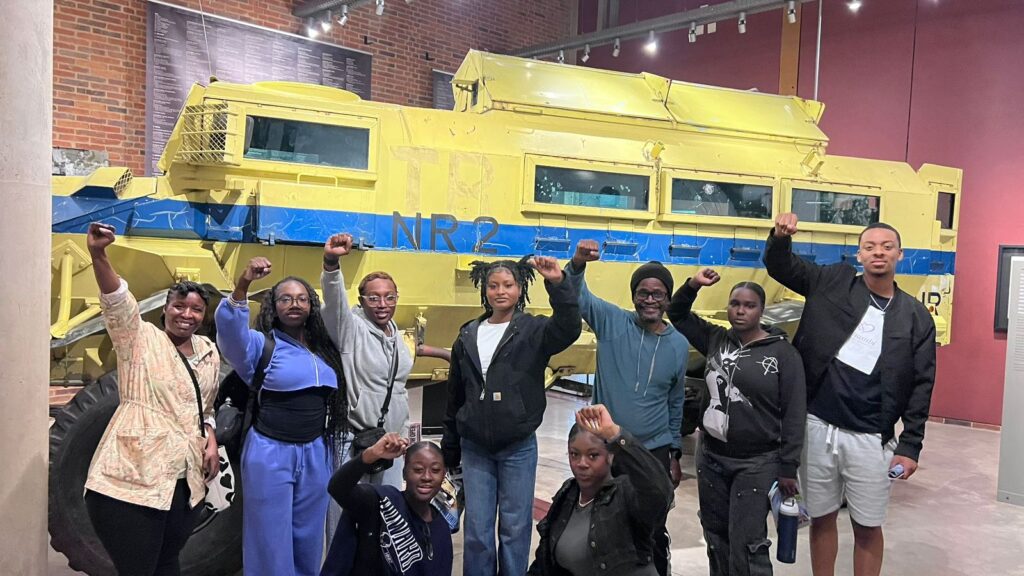
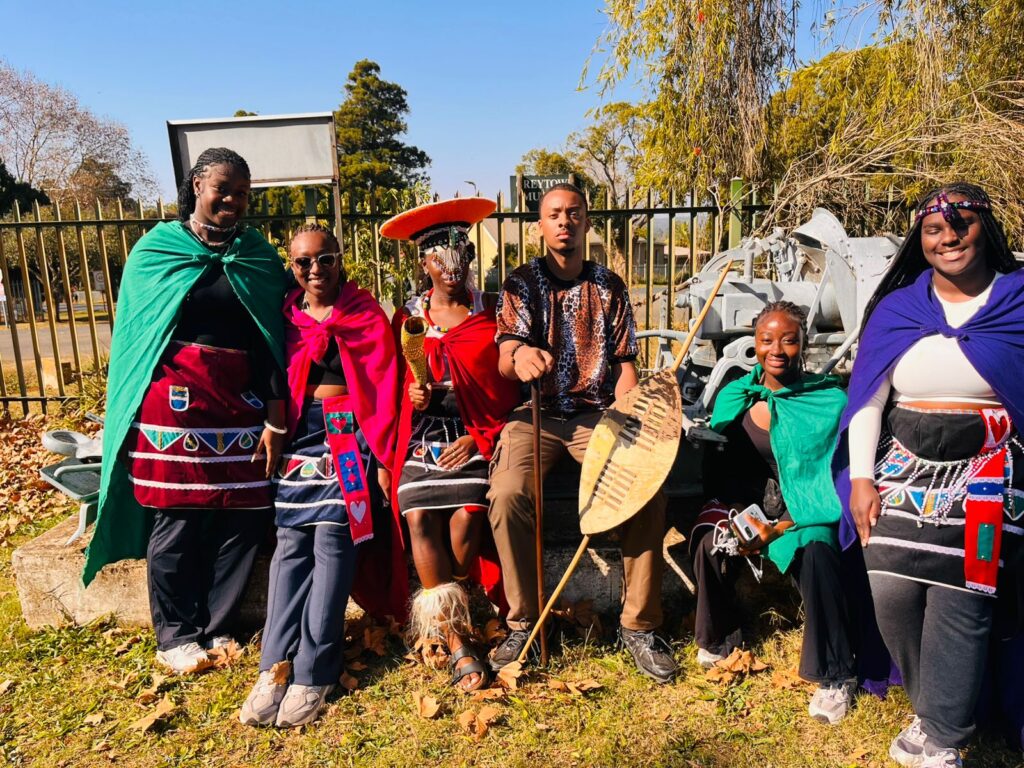
In KZN, the students immersed themselves with the very same culture of the language they are learning, which included a visit and homestay in Msinga, where they experienced village living.
In Msinga they attended ukufakwa esibayeni kweNkosi yaMaqamu as well umcimbi wokwembeswa eMsinga Top.
Thereafter they visited the Bhambatha Ambush Rock site, the Battle of Isandlwana site, and proceeded to Ulundi and visited cultural sites, including Emakhosini Valley, King Cetshwayo and Kind Dingane’s Royal Palaces, as well the graves of King Dinizulu and King Jama, amongst others.
The touring students are Azaria Adams, Madelyn Clarke, Miya Jones, Reginald Chandler, Sydnee Assan, Sydni Gurley and Wonser Mongrue.
Dr. Sithole and the students will return to the United States on July 5, 2026.