




When the crowd comes but the market hesitates: A seasoned collector’s perspective on why well-to-do young people show no appetite to collect art
The lesson is clear: unless art finds new ways to speak to this generation—not only through objects but through meaning, community, and storytelling—it risks being admired without being embraced.
Reading Edward Tsumele’s article “Art fair attracts huge young crowd, but the question is, why is the appetite to collect art not huge among them?” (CityLife/Arts, September 9, 2025), I was struck by how his observations in Johannesburg mirror questions that haunt the global art market. The FNB Art Joburg—South Africa’s oldest fair, now proudly Pan-African—was packed with a youthful, diverse public. The atmosphere was festive, the energy contagious. And yet, as Tsumele notes with precision, the credit cards stayed in their wallets.
The paradox is clear: the same young professionals who queue for hours to buy luxury goods at Louis Vuitton, willing to spend thousands on belts or sneakers, hesitate when it comes to acquiring a work of art. The issue is not lack of disposable income or cultural exposure. It is something deeper: a fracture between art’s symbolic capital and its perceived relevance to a generation fluent in lifestyle, fashion, and experience but less convinced by the codes of collecting.
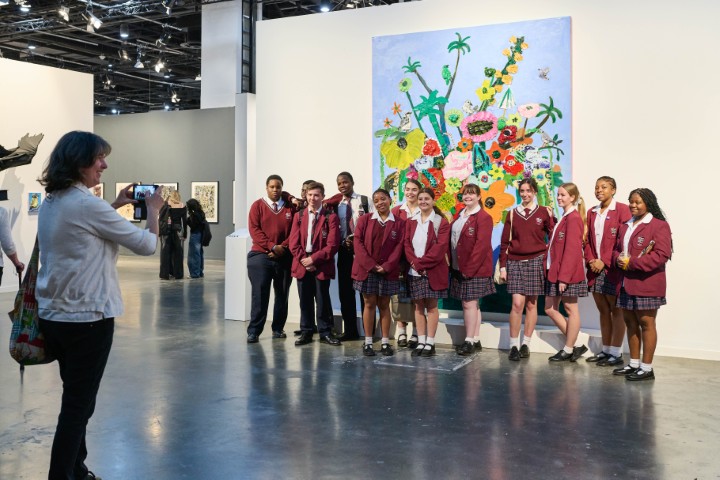
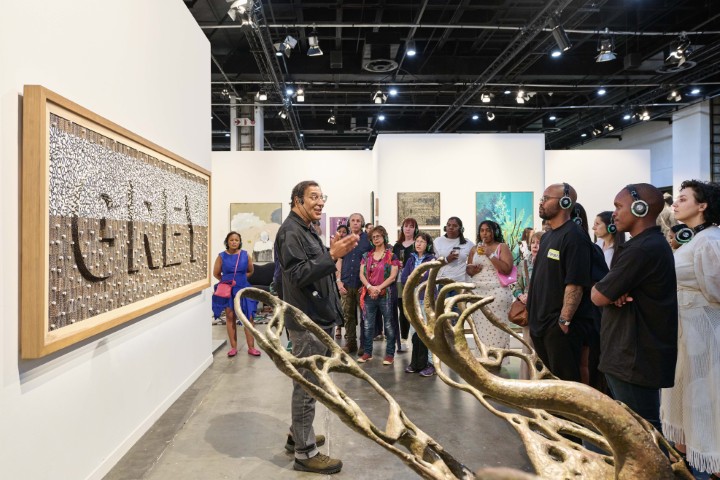
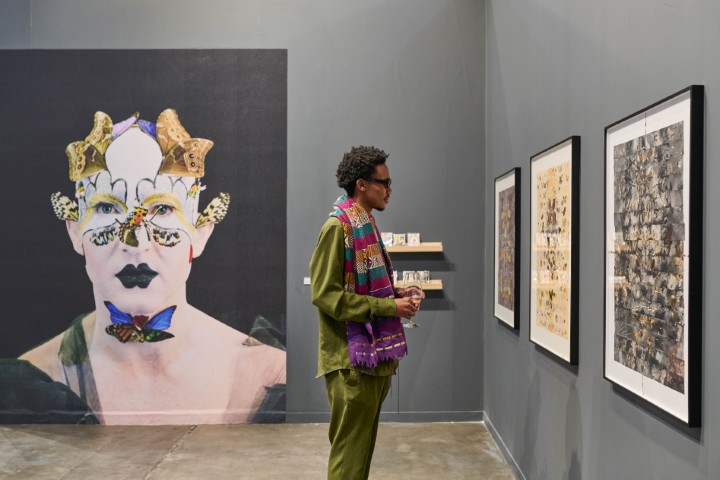
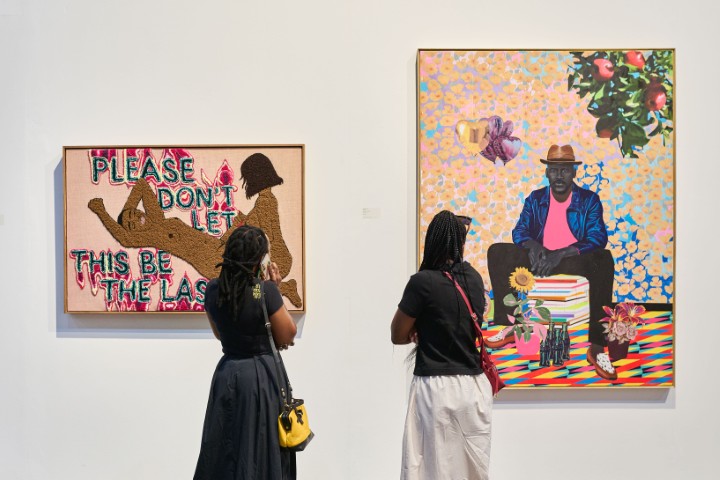
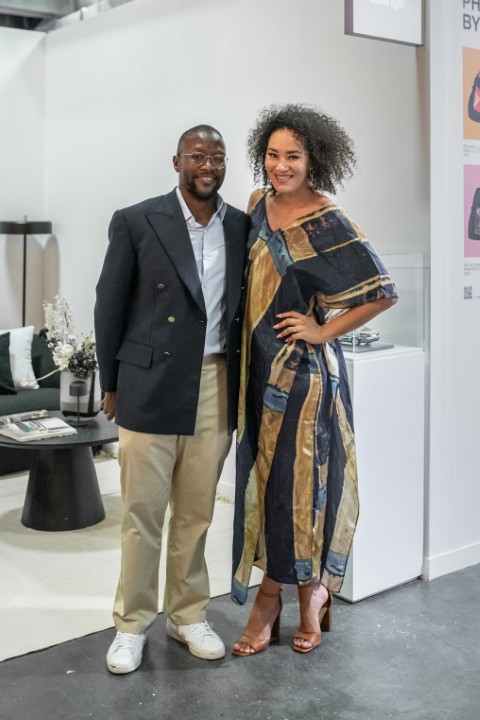
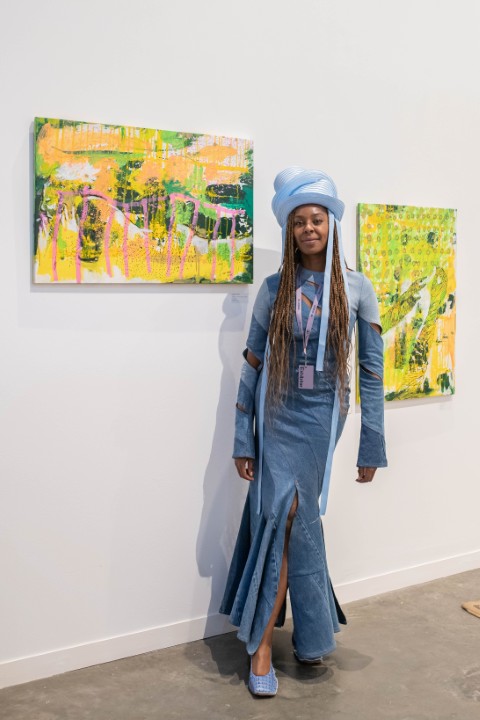
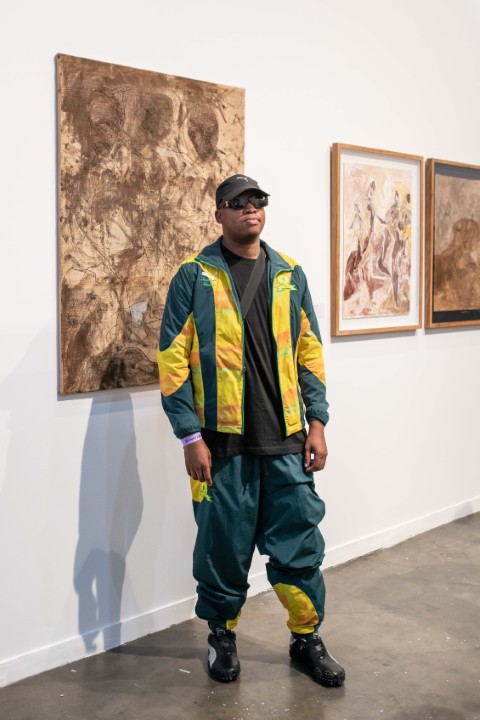
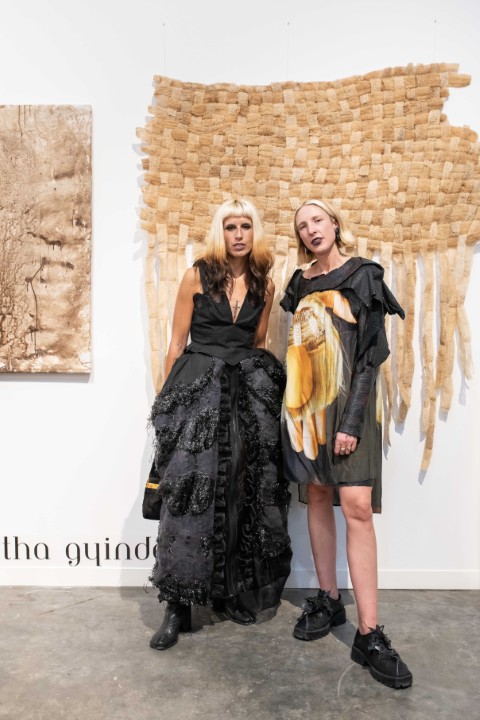
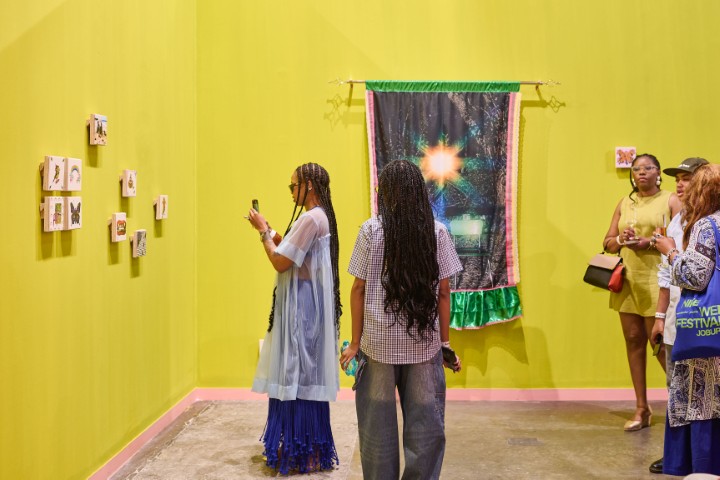
Tsumele is right to suggest that the problem does not lie with the visitors but with the art ecosystem itself. If art remains a party backdrop, an occasion for drinks and reunions rather than an urgent object of desire, then something in the narrative of value is broken. Marketing strategies that rely on exclusivity and intimidation cannot resonate with a demographic that seeks participation, resonance, and authenticity.
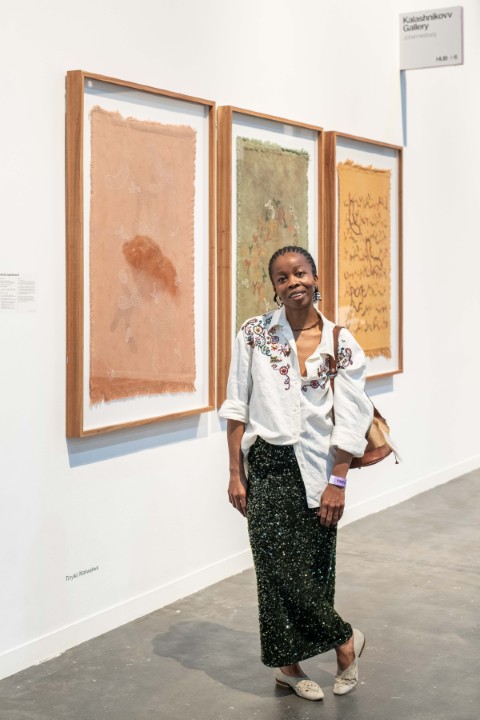
And yet, the Pan-African dimension of the fair demonstrates the opposite possibility. Fourteen galleries from across the continent brought works of striking vitality, from Zimbabwe’s First Floor Gallery with its new generation of painters to landmark initiatives like The Africa Re-Union, which reframed the Berlin Conference of 1884 through art as manifesto. Here, art became more than commodity: it was memory, reclamation, imagination.
This duality—between the exuberant crowd that does not buy and the art that carries continental destiny—offers a mirror to contemporary art markets far beyond South Africa. Everywhere, we see the same bifurcation: luxury consumption thrives, while art struggles to assert its necessity.
The lesson is clear: unless art finds new ways to speak to this generation—not only through objects but through meaning, community, and storytelling—it risks being admired without being embraced.
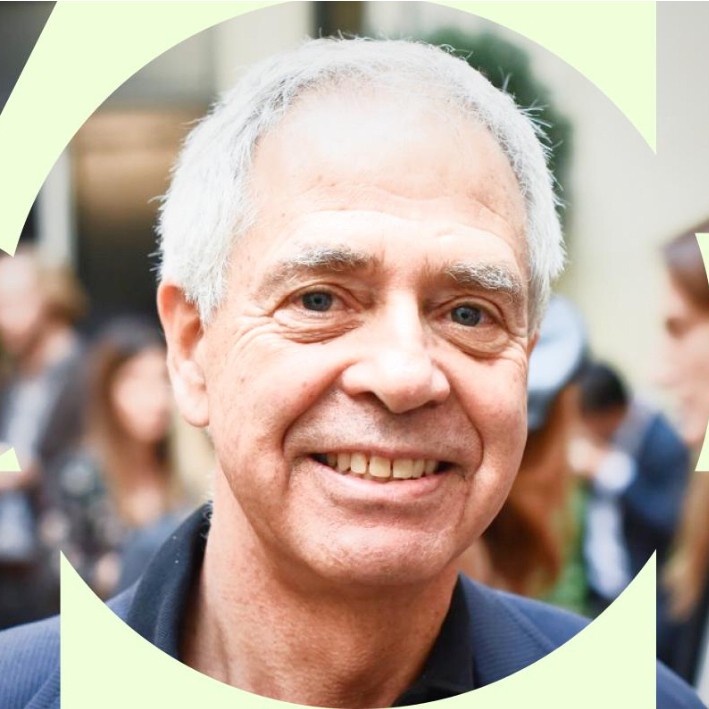
.Sylvain Levy is an experienced art collector. A co-owner of dsl collection, he has been exploring the contemporary Chinese art scene for over 18 years, acquiring and showcasing the works of 200 of the leading avant-garde artists in China. His passion is to discover, study, and promote the artistic and cultural production of a dynamic and diverse region, while challenging the established boundaries and stereotypes of collecting.