




A new ‘definitive’ book of the phenomenon of Jacob Zuma’s presidency launched at Johannesburg Institute for Advanced Study
“As scholars, the tradition of our training is such that we base our analysis on facts, and not on emotions about the personality. We interviewed people close to him, reviewed available literature that has been produced about the subject, and based our assessment of the phenomenon of the subject based on that data, and nothing else,” Maserumule emphasised.
By Edward Tsumele, Winner of the NHC Heritage Journalism Award for 2026
Pictures: By Molelekeng Mothusi/JIAS
A new book whose authors claim that it has closed all the gaps for analysis of the Zuma presidency has been launched.
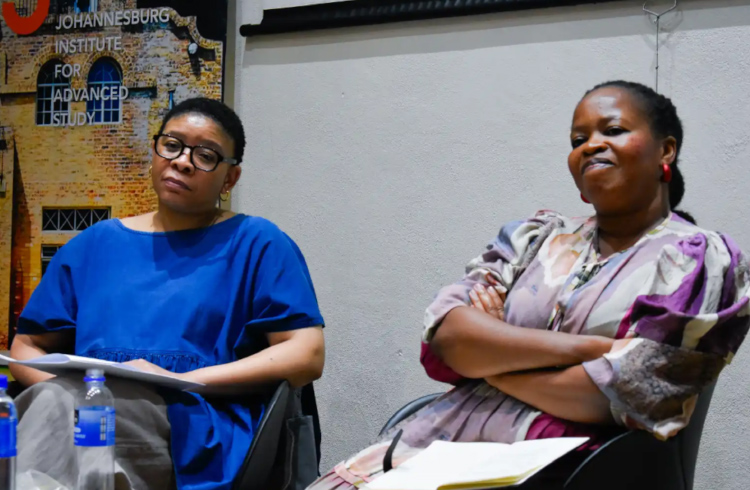
Launched at the Johannesburg Institute for Advanced Study (JIAS) on Thursday, October 22, 2026,the authors of ….said that the book has been thoroughly and scholastically researched, covering all existing knowledge gaps that have been left gaping by current scholarship that has been published on the subject. JIAS which is situated off campus in the nearby suburb of Westdene, is affiliated to the University of Johannesburg.
Its authors Prof Mcebisi Ndletyana and Prof Mashupye Maserumule in a discussion moderated by Daniela from JIAS, explained five key points in the book, and the explanation was extensive, without giving away all the key points about the Zuma presidency its text analysing the institution of the Zuma presidency.
Essentially, drawing on more than 50 interviews with key insiders, The Zuma Effect, examines the plots, alliances and power plays that defined the Zuma presidency and transformed the ANC. The book explores internal party divisions, populism, ethnic mobilisation and the choices that shaped this period in South African politics.

“What has happened is that what has been published so far about Jacob Zuma tends to focus more on the person of Zuma than on the institution that his presidency became.
This book is about the phenomenon, the institution that characterised the Zuma presidency, looking at its effects. In fact this book which tables five effects of the Zuma presidency, is not about Jacob Zuma, but about the phenomenon of his presidency, said Prof. Maserumule, who spoke after fellow author Prof. Ndletyana ha earlier on elaborately introduced the book.
Ndletyana in his introduction of The Zuma Effect, traced the rise of his presidency to the time in the 1990s, when Zuma was deployed by the ANC to Kwa-Zulu Natal as Provincial Chairman of the ANC, to counter the influence of the IFP in the province, as well as well as counter perceptions obtaining at the time, that the AN was a Xhosa party.

The fact that Zuma was a Zulu traditionalist made him the most qualified candidate to introduce properly the ANC to Zulus especially in the ruralareas of KwaZulu-Natal, whose political home seemed to have been with the IFP in the province, and not the ANC. Also Zuma was able to quell out violence between the ANC and the IFP which raged in the province in the 90s. That came with some level of influence within the ANC, limited as it was to the province, and not big enough for national politics. But it was not long before Zuma’s influence assumed a national character, the authors explained.
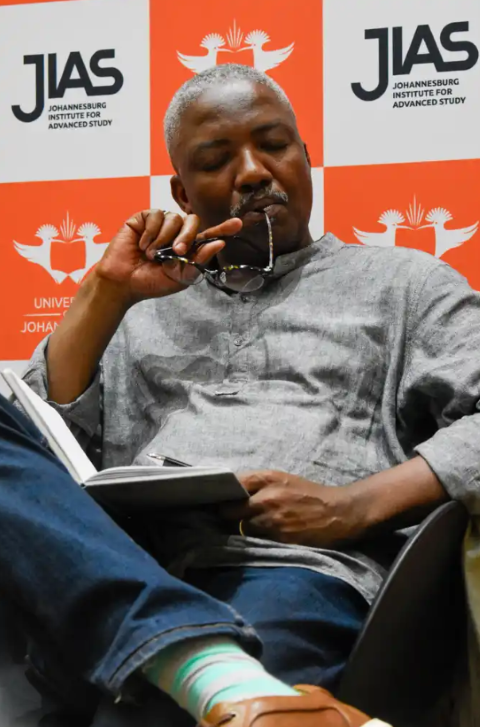
However, according to Ndletyana, Zuma used that opportunity, not only to solidify his power base among conservative Zulus in the province Zulus, but to get gain more out of it.
“He was appointed the first MEC for Economic Development at a time when financially, he was struggling with a huge family and personal debt growing. Soon after he became MEC, there were rumours that he was benefitting from financial donations by Shabir Shaik in return for awarding him tenders,” said Ndletyana.
What then followed is a series of political maneuvering by Zuma with the opportunistic help of members of the populist faction of the ANC, of which Zuma was a member. That soon resulted in Zuma being elevated from a relatively insignificant provincial politician to being voted Deputy President of the ANC, eventually Deputy President of the country, and finally President of the country, the professor sketched the path to the Union Buildings for Zuma.
“When in 2007 Zuma became the President of the ANC at the Polokwane Conference, he was helped by that populist faction, based on their own interests and political ambitions, which by that time had been frustrated by Thabo Mbeki,” explained Ndletyana to an audience that compromised mainly of political science postgraduate students.
I f anything else, this book appears to be positioned to provoke heated discussions among political analysts, students of politics and intellectuals around the controversial presidency of Zuma, which was cut shot nine years later, when he was forced to resign by the ANC, with President Ramaphosa taking over from where he left in off in 2018.
However, Maserumule said that The Zuma Effect, was based on facts and scholarly analysis of the institution that was the Zuma presidency, as well as the phenomenon’s effects, that he said being felt to this day.

“As scholars, the tradition of our training is such that we base our analysis on facts, and not on emotions about the personality. We interviewed people close to him, reviewed available literature that has been produced about the subject, and based our assessment of the phenomenon of the subject based on that data, and nothing else,” Maserumule emphasised.