



Dear Sis Dolly is more than a relatable and authentic South African film
Complex black family dynamics and toxic corporate culture are at play here.
Film Reviewer: Edward Tsumele
Title: Dear Sis Dolly
Where: Nu Metro and Sterkinekor cinemas
This is not the first time I have seen this locally produced film with a wholly South African cast, featuring big names, such as Jerry Mofokeng, Abigail Kubeka, Kenneth Nkosi, Didintle, Khunou, Natasha Thahane, and the least goes on.
First time, was last week at its premiere at Hyde Park Corner, Nu Metro, taking three screens. That on its own, tells you how subscribed the premiere of Dear Sis Dolly was, complete with a Red Carpet reception and several people in the entertainment sector turning up, including of course the majority of the cast, family of some of the cast members and a big team of those who put their money behind this film. Including advertising guru, Happy Ntshingila, who in this case, has the role of Executive Producer, alongside filmmaker and producer Tshepiso Chikapa Phiri.

Because the premiere was well attended by people from the sector, who had not seen each other for quite a long time, there appeared to be more networking than actually enjoying the reason why in the first place, we were all there –that is watching Dear Sis Dolly. Problem is, as you can imagine under those circumstances, where people of the industry meet, some of them had never seen each other for a long time, what transpires. They get busy connecting, as they chatted and had food and drink, both of which, were in abundance. It was such that even when the film started, the mood was that focussing on the film, was a bit of a challenge.
However, I for one, was glad that the producers behind Dear Sis Dolly, oragnised on Tuesday, June 29, another event. This time, a special screening for film critics, to watch, form our oinions about this film, of course without distraction.

And so, at a Dunkeld West venue, we went, and this time around, we were able to see Dear Sis Dolly, properly. No talking. No distraction. No small talk with friends, but focussing on the screen, to get to understand, and take in what this film is all about.
I will tell you now, this is a film you need to see. It tries, and successfully so, to take the audience back into an era when the media meant something more than just publishing news about the lives of people in general, and in this case, black life under Apartheid. For example, the media was looked up to as an institution that people would look up for answers to0 those questions that they had as individuals that no family nor friends, would answer adequately.
Dear Sis Dolly, a popular column that ran for years in Drum magazine, one of the iconic publications in black life, dating as far back as the 1950s and 1960s, was the most prominent publication of the time. The column played an important role in an area that today, in democracy, people, particularly politicians, like to refer to as social cohesion. Indeed big words but little impact. However, the column, was there for black folks who had no access to therapists. It was an agony auntie column that black folk in situations of personal crisis, would to turn to for advice.
All these issues come through in Dear Sis Dolly, the film that is current on circuit in cinemas around the country.

However, do not make the mistake of simplifying this film in the manner that I have just done. It is not that. It is a story told in complex ways- nuanced. It follows the story of the main character, Khethiwe, superbly played by Khunou. Khethiwe who runs a counselling Centre in Meadowlands, Soweto with passion to assist her community with personal issues afflicting them. But the future of this ecentre, is in a precarious position because of the lack of funds. The centre provides essential services to the desperate in the community. For example, those with no access to therapists, as you can imagine the situation of the black folk that time.
I know that I am giving you too much about this film that I should not. But please, allow me to say this bit.
You see, Khethiwe applies for a dream job to be in charge of the Dear Sis Dolly column at Drum that has suddenly become vacant. And given her background as a counsellor for the community of Meadowlands through her organisation Legae, she fits perfectly for that role. But does she? This is because, life is not as straightforward as we would like to to be.

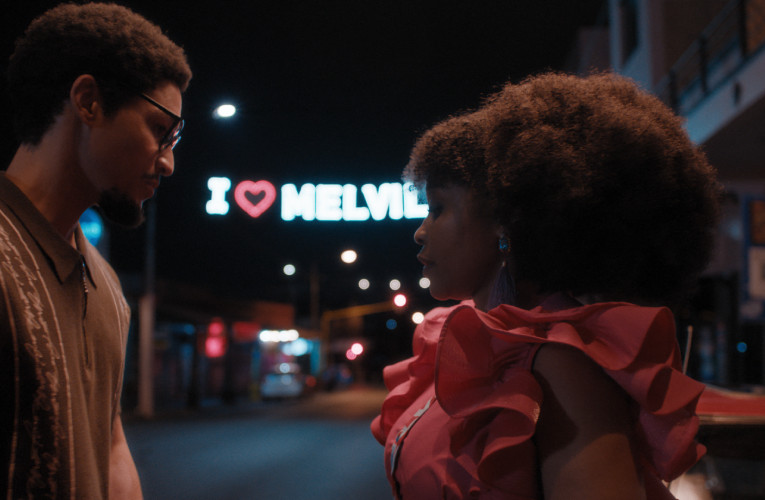
And gain, if you would allow me this bit. Khethiwe’s biggest hurdles are two competitors to this much sought-after editorial job in the country. Both of them on paper, are well qualified –a young well-dressed and US educated male applicant, and an equally flamboyant young woman, also educated in the US, who connive and do all sorts of things to make sure that Khethiwe does not get this job. When all the three of them, were given a three month probation to prove themselves, the plots thickets as the two gang up to stop Khethiwe from getting her dream job. To make sure that Editor-in-Chief, a role played convincing by Sthandiwe Koroge, does not pick Khethiwe for the job. They hatch an elaborate plan to stop Khethiwe, and you can find for yourself what those plans entail.
Now let us move on with this story. And this time, I promise you, I will not spoil your experience of seeing this film and judge for yourself, except to say that, Khethiwe meets strong challenges that threaten to render useless her efforts to get this gig, and in the process save Legae from closure.
Family crisis, running her salon business, family secrets that are eventually revealed by her father. All these are issues playing themselves out in Khethiwe’s life in real time. And the confrontation with her beloved grandmother, a role played by the ever capable Abigail Kubeka, who for all intense and purposes, played the role of Khethiwe’s mother after the death of her mother.
Practically Koko’s became a mother to Khethiwe after the demise of her real mother. Here, there are dynamics between the two that emerge, but I will spare you the details so that you can see them for yourselves whenever you decide to have a date with Dear Sis Dolly.
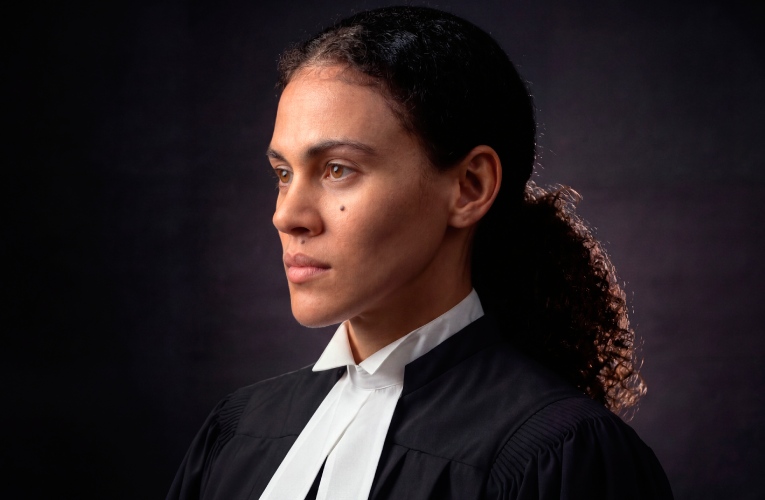
Generally, all the actors featured in this film, take a good account of their roles. But if forced to pick out one that has stayed with me for sometime after that screening, I would without a doubt suggest that you watch out the role of Khethiwe, beautifully and convincingly, played by one Dintlwe. You will not, not take her side in this film, which sits at the intersection of family dynamics and toxic corporate culture.
Please have a date with Dear Sis Dolly. It is more than a film about an iconic column that once ran in one of the iconic publications in this country for a long time. You might, if you think of it, see familiar South African family dynamics and corporate culture playing themselves out on the bid screen.
I must though state that at a point during the screening, I wondered of the role that is played by this character, including the situation with her younger sister, the stress of the hear saloon that she ran, the community counselling centre Legae, which is on the verge of closure, and her dream job which is almost slipping out of her hands when all factors considered it is hers, are not hijacking what this film is all about –focussing on the Dear Sis Dolly Column.

But again, who says script writer, is not allowed to use her literary license to not follow what one expects from a biopic about the life of Liz Khumalo. In real life, Khumalo was in charge of that column, before being elevated to Editor-in-Chief of Drum magazine in the 1990s, the first black woman editor for a mainstream publication in the history of newspapers in the country.
And therefore, contrary to what the script turned out to be, more emphasis is on the life of Khethiwe, than Melody Makaringe, to an extent that if one did not know the history of Drum magazine and its legendary editor in the back of one’s mind, it would not be out of place to think of Dear Sis Dolly, as Dear Sis Khethiwe because of the emphasis on the life of this frustrated PHD candidate that Khathiwe is in this story.
But again, that does not take away the fact that Dear Sis Dolly, all with its overbearing Khethiwe character instead of Melody Makaringe, of whom this film is supposed to be all about, is a powerful, locally produced film that every South African will relate to. The fact is, it is so South African, relatable and authentic, just like what Rooibos is.