





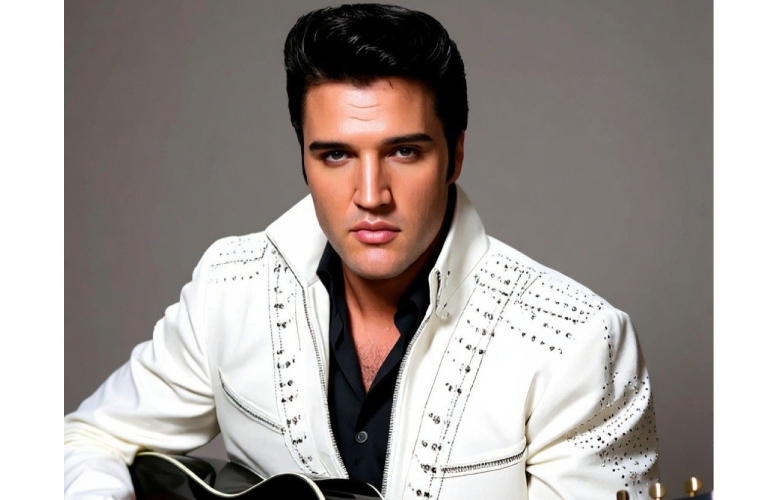
Elvis Presley’s documentary-concert film — vibrant, sensual, and overflowing with charisma

Reviewer: Funeka Bambalele
Film Title: Epic: Elvis Presley in Concert
Director: Buz Luhrmann
Release Date: February 27, 2026
There are so many mesmerising moments in the new Epic: Elvis Presley in Concert film that sweep you back into the magic, mystery, and sheer force of the icon’s presence.
Epic: Elvis Presley in Concert, Baz Luhrmann’s 2026 documentary‑concert film, immerses audiences in newly restored, never‑before‑seen footage from the 1970s, paired with intimate, previously unheard audio of Elvis telling his own story.
Elvis Presley, one of the greatest musicians the world has ever known. Born in 1935, he was an American singer and actor whose influence reshaped global popular culture. Elvis remains one of the most significant cultural figures of the 20th century. His music career began in 1954 at Sun Records under the guidance of producer Sam Phillips, who sought to introduce the sound and spirit of African‑American music to a broader audience.
Over the course of his life, he starred in about 33 films and released a vast catalogue of music that continues to inspire artists across generations. He died in 1977.
The film gave us Elvis in all his brilliance, yet something in the storytelling left me wondering what a different creative approach might have revealed — a deeper layer, a fresher angle, a more intimate truth.
Regarded as the King of Rock and Roll, the documentary traces his early beginnings, his interviews, his explanations of personal struggles, the number of songs he composed, and his rise through live performances.
The highlight of the docu-concert is the 1969 rehearsal which was deemed as a comeback at the time. Elvis, the man who loved style, rocks up in colourful shirts and sunglasses just to sweat at a rehearsal.
His live performances are the heartbeat of the documentary-concert film — vibrant, sensual, and overflowing with charisma. Watching women rush to kiss him passionately mid-performance reminds you just how magnetic he was. These scenes capture the raw energy that made Elvis a phenomenon.
The film also reminds us of the depth of his natural talent. He famously said he began singing at the age of two, and by eight he was already entering talent competitions. His gift was not manufactured; it was innate. His ability to fuse rhythm, rock ’n’ roll, and gospel into a sound that felt both rebellious and spiritual is a testament to his genius. Listening closely to his lyrics, you hear honesty — stories rooted in real emotion, not fantasy.
Elvis never performed in a concert outside North America, yet he filled venues effortlessly. His stage presence was unmatched, his energy infectious.
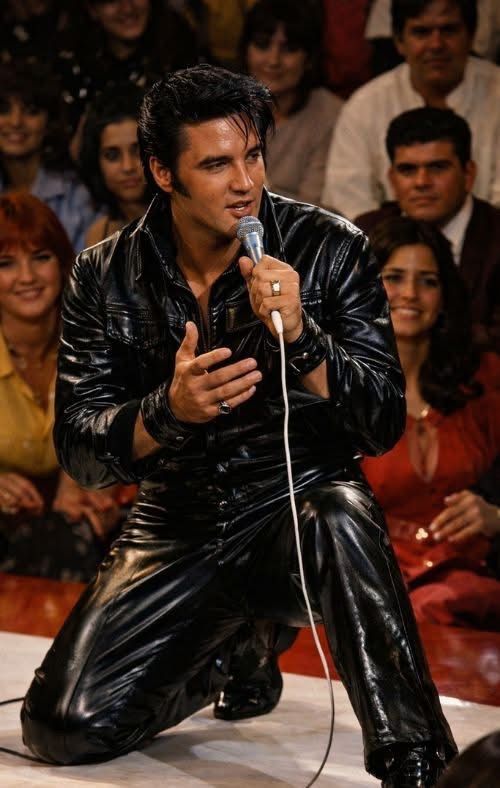
Apart from that, Elvis was an adventurous dresser, unafraid of colours, cuts, and fabrics that most performers of his era would never dare to wear. He chose outfits that didn’t just look good on him — they amplified his presence. He is widely credited with helping to popularize the use of leather in rock-and-roll fashion, most notably through his iconic, tight-fitting black leather outfit. While he did not invent the leather jacket, his decision to wear an all-leather, two-piece suit during this special signalled a shift from his polished movie image back to a rebellious, edgy rock persona, heavily influencing later fashion trends in music
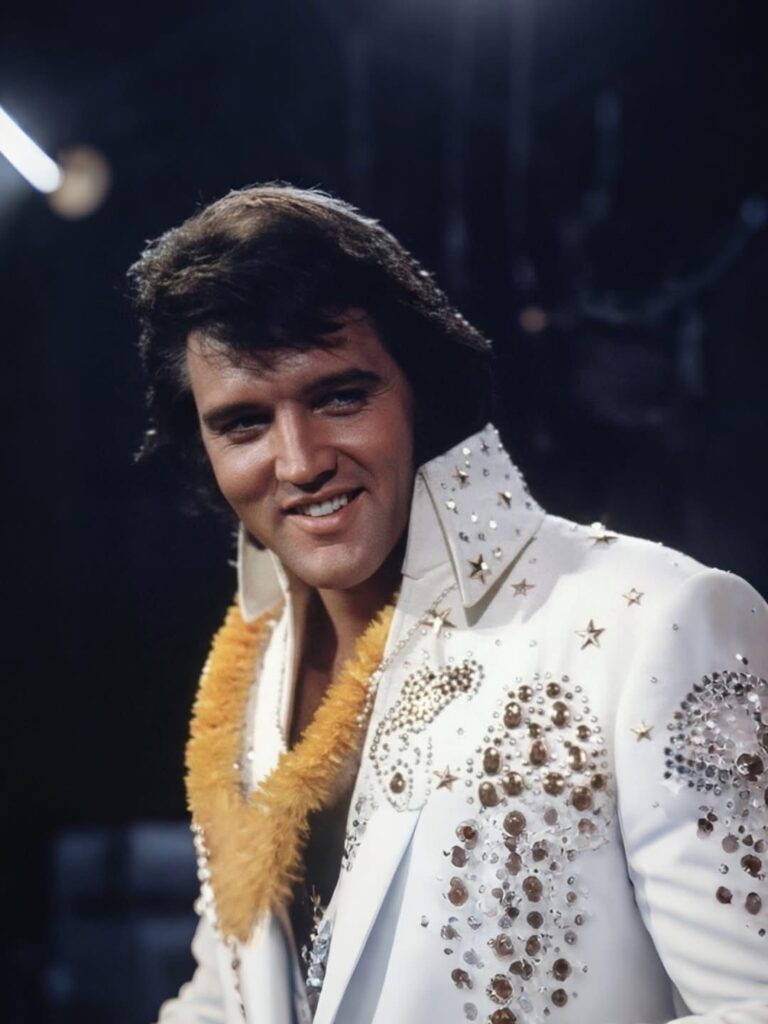
The colours he wore didn’t overpower him; they complemented his confidence, charisma, and the electric energy he brought to every stage.
The film succeeds in reminding us of these truths. It reaffirms Elvis as a once-in-a-generation artist whose influence still echoes across genres and generations.
Elvis may have enjoyed the adoration he received from women — the kisses, the excitement, the overwhelming attention — but he was known for keeping clear boundaries in his personal life. It has been established that the children he had were born within marriage, reflecting a side of Elvis that valued structure and a sense of responsibility behind the scenes.
All in all, the film offers a window into his world — his voice, his passion, his innovation. Even if the narrative structure feels familiar, the legend at its centre remains extraordinary.