


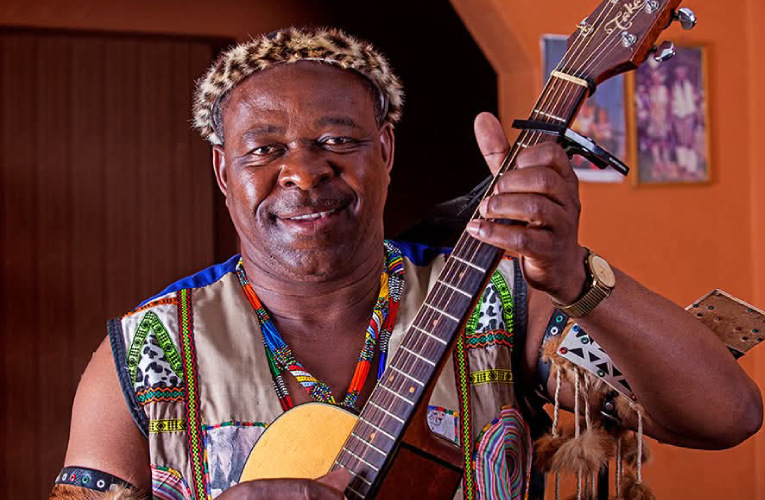
Traditional Zulu music Maskandi and XiTsonga sound Xigaza get international recognition
This is as global distributor DistroKid gives a nod to both sounds, complete with their own categories on the streaming services.
By Citylife Arts Reporter
In what is widely regarded as one of the most significant milestones in South Africa’s music landscape, global digital distributor DistroKid has become the first platform in the world to officially recognise Maskandi and Xigaza as distinct traditional music genres.
The announcement, made in New York earlier this week, marks a transformative shift that will allow artists working in these traditions to upload their music under accurate, culturally rooted categories instead of being forced into broad, generic labels. This recognition firmly positions South Africa’s traditional music within the global digital ecosystem, giving it the visibility and respect it has long deserved.
According to Unathi Memela, Market Growth Consultant for South Africa, DistroKid’s decision represents both a technological breakthrough and a cultural triumph. She believes the move signals a new era in which local heritage is not only preserved but elevated on the world stage. Memela emphasises that this development points to a future where digital innovation and cultural preservation reinforce one another, ensuring that South Africa’s musical traditions continue to resonate across borders and generations.
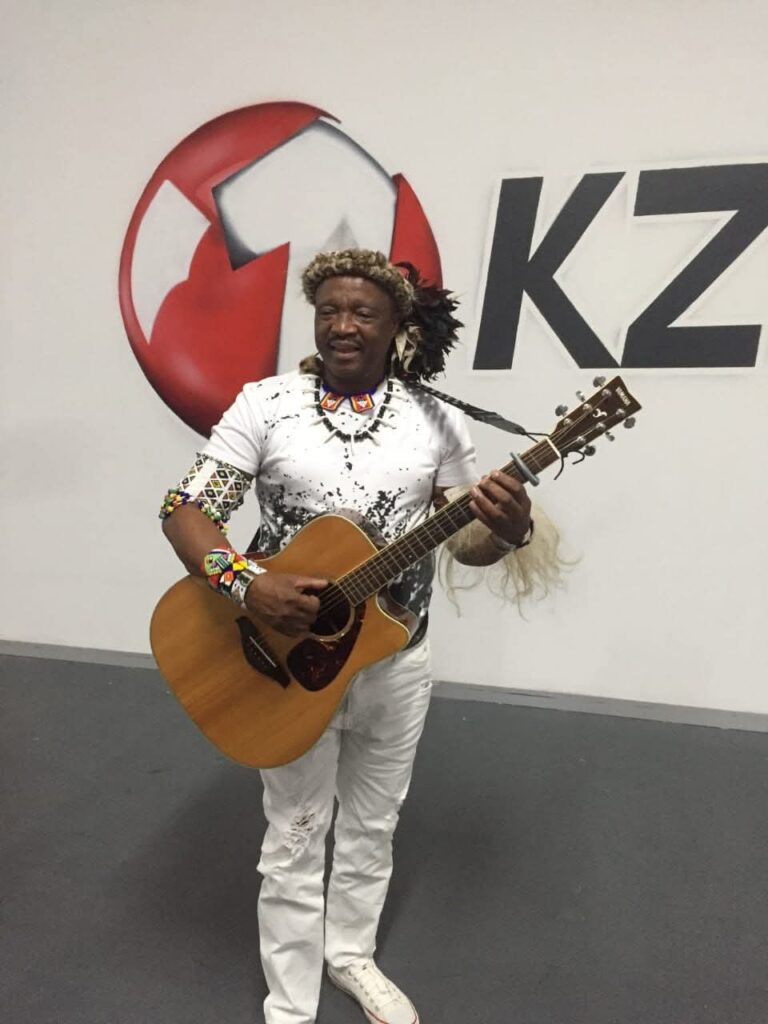
“For decades, traditional African music has often been forced into broad, ill-fitting categories such as ‘World Music,’ obscuring its identity and limiting its reach,” she explains. “Maskandi and Xigaza carry identity and lived experience. They are more than musical expressions; they are cultural archives that document community histories, social commentary, and spiritual life. By embedding these genres into the digital infrastructure of global music distribution, DistroKid bridges the gap between heritage and technology.”
Memela adds that the recognition affirms that indigenous music is not a relic of the past but a vibrant, evolving art form with a rightful place in contemporary culture. She notes that accurate genre classification enhances discoverability and strengthens the connection between creators and listeners. “Fans searching for Maskandi or Xigaza will now find music that truly reflects these traditions, rather than approximations hidden under generic tags,” she says. “This authenticity empowers musicians to embrace their roots without compromise and encourages younger generations to explore and preserve their cultural identities through music. It also opens new pathways for international exposure, playlisting, and algorithmic visibility—critical drivers of success in today’s digital music economy.”
The benefits extend beyond artists and audiences. South Africa’s rights management organisations—SAMRO, SAMPRA, and CAPASSO—are expected to gain from clearer categorisation, which supports more accurate royalty tracking and fairer compensation for traditional musicians. For the Recording Industry of South Africa (RISA), the milestone strengthens ongoing efforts to elevate local talent and diversify the country’s music exports. By integrating indigenous genres into global systems, South Africa expands its cultural footprint and asserts itself as a dynamic contributor to the world’s musical landscape.

Memela believes this development sets an important precedent for how indigenous music can be integrated into modern platforms. It challenges long-standing hierarchies that have historically sidelined traditional sounds and instead affirms their value on the global stage.
Hi