

Perfect Thursday evening of art vibe in Rosebank and cool jazz in Brixton
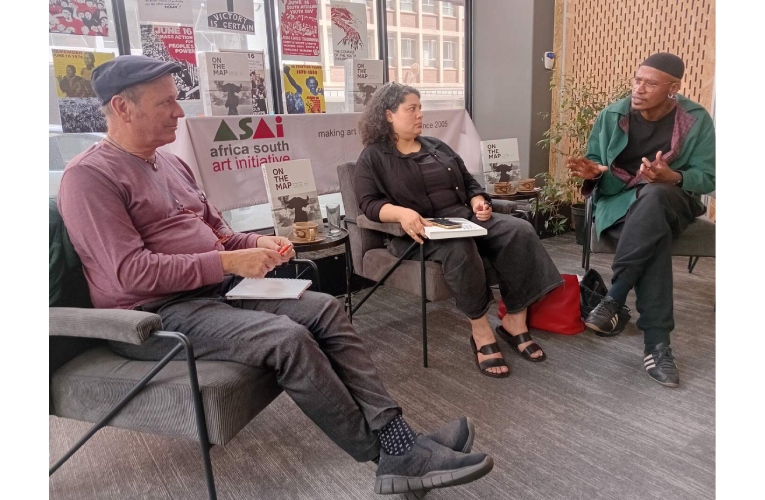
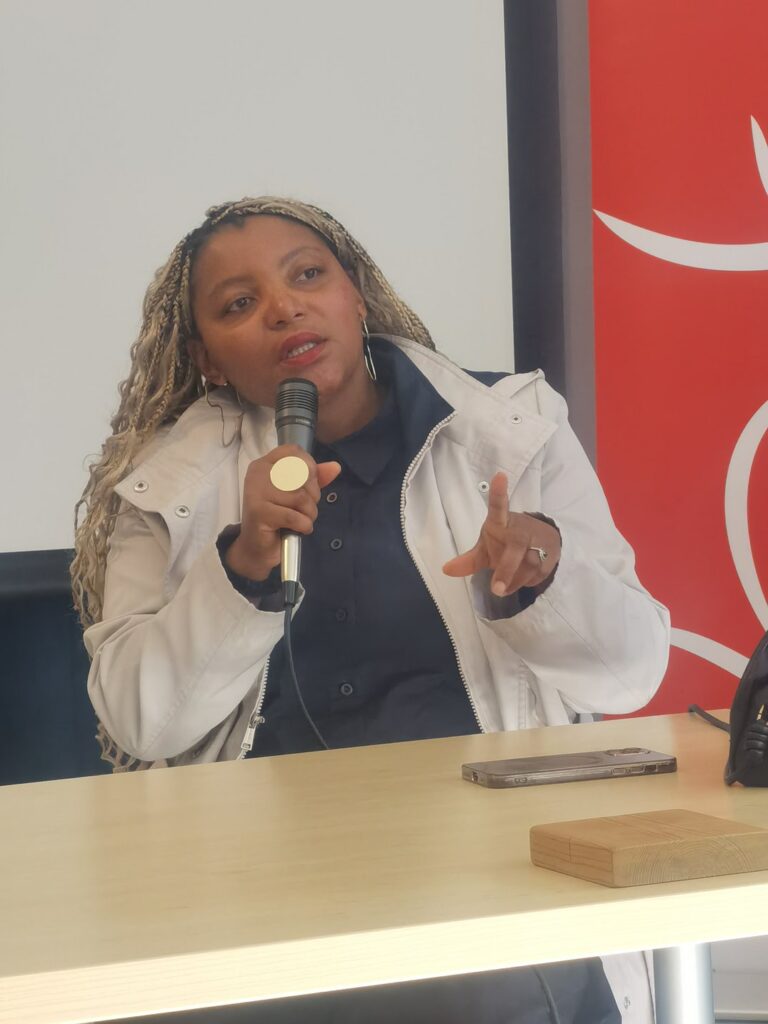
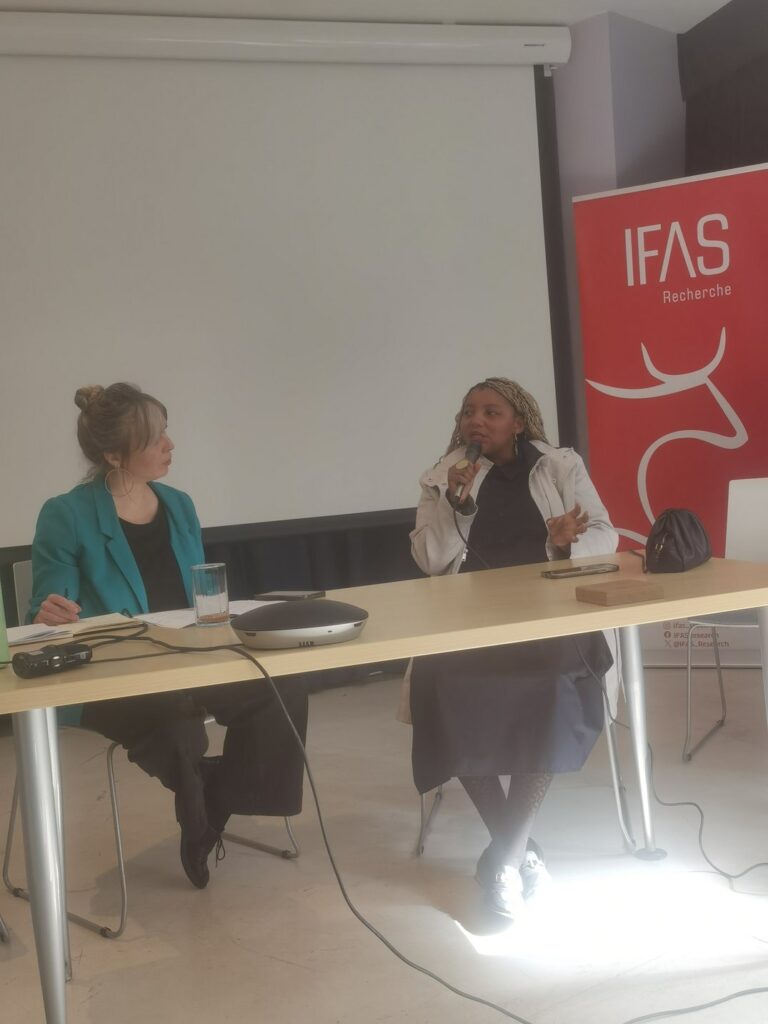
I and some mates of mine first attended the a dialogue at The French Institute of South Africa (IFAS) in Braamfontein, where a curated discussion took place, discussing the importance of the archive in framing and a narrative about South Africa in particular.
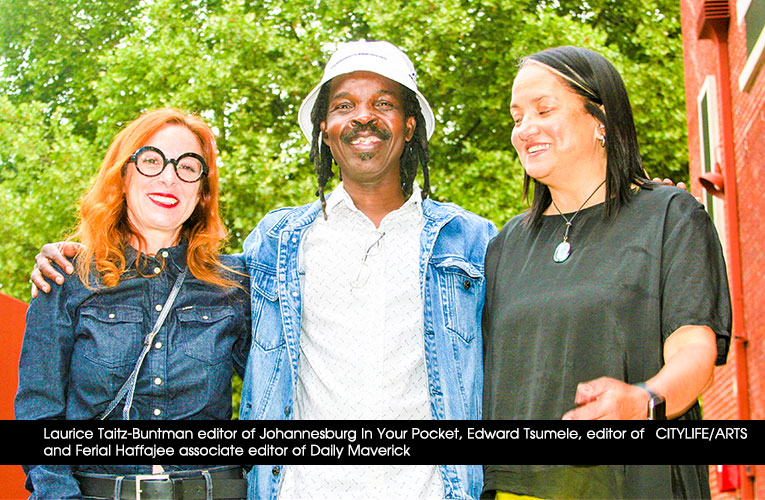
By Edward Tsumele, CITYLIFE/ARTS Editor
When you have to choose to attend one show on the same day, out of three, both promising to feed your intellect – that is what I call a good problem.
This is because you do not necessarily have to choose either, or. That is though if the organisers have carefully scheduled their events such that they do not take place at the same time. This is especially important given the fact that the same audience would want to attend all the three events without having to choose to honour one invitation over the other.
I was faced with a similar problem on Thursday, June 4, 2026. However, I attended all the three events. That was possible because though all the three events took place on the same day, the hours were staggered –enabling guests to attend all the three of them.
I and some mates of mine first attended the a dialogue at The French Institute of South Africa (IFAS) in Braamfontein, where a curated discussion took place, discussing the importance of the archive in framing and a narrative about South Africa in particular, but also about the African continent in general in the context of colonialism and apartheid two phenomena that have become the legacy of this beautiful continent.
I was glad that although I found the discussion in progress, I managed to get there while documentary filmmaker Tshego Khanyile was discussing the importance of the archive in telling authentic stories about South Africa. Her discussion focussed on the archives of student movements. I was however disappointed that I missed the session that featured historian Dr Ali Hlongwane, who is attached to Wits and is a respected historian, especially when it comes to excavating historical archives located within the framework of the struggle for freedom in the country, such as June 16 Student Protest and the Sharpville Massacre of 1969. These are contested archives, especially when it comes to discussing who played which role in both events, with regards to those fighting to deliver freedom in South Africa.
For example, who should be wholly credited for inspiring the June 16 event between the Pan Africanist Congress and the Azania People’s Organisation (Azapo)? The even more contentious among thinkers today is the question of whether or not the African National Congress played a role at all in both events –June 16 and the Sharpville Massacre.
And quite understandably, all the three main liberation orgnisations of the time, today somehow all claim to have played some role in both events, simply because locating one’s role in both, in the struggle for freedom elevates one’s standing in the conversation about the struggle itself, whereas admitting one’s absence in both, diminishes one’s contribution to the struggle for freedom as both events were actually a turning point in the fight for freedom in this country. One would therefore, would no9t want to be found missing from action in both historically important events.
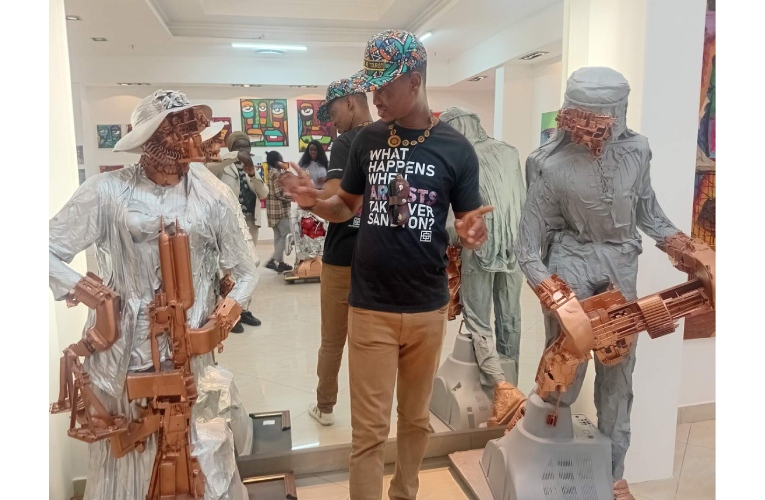
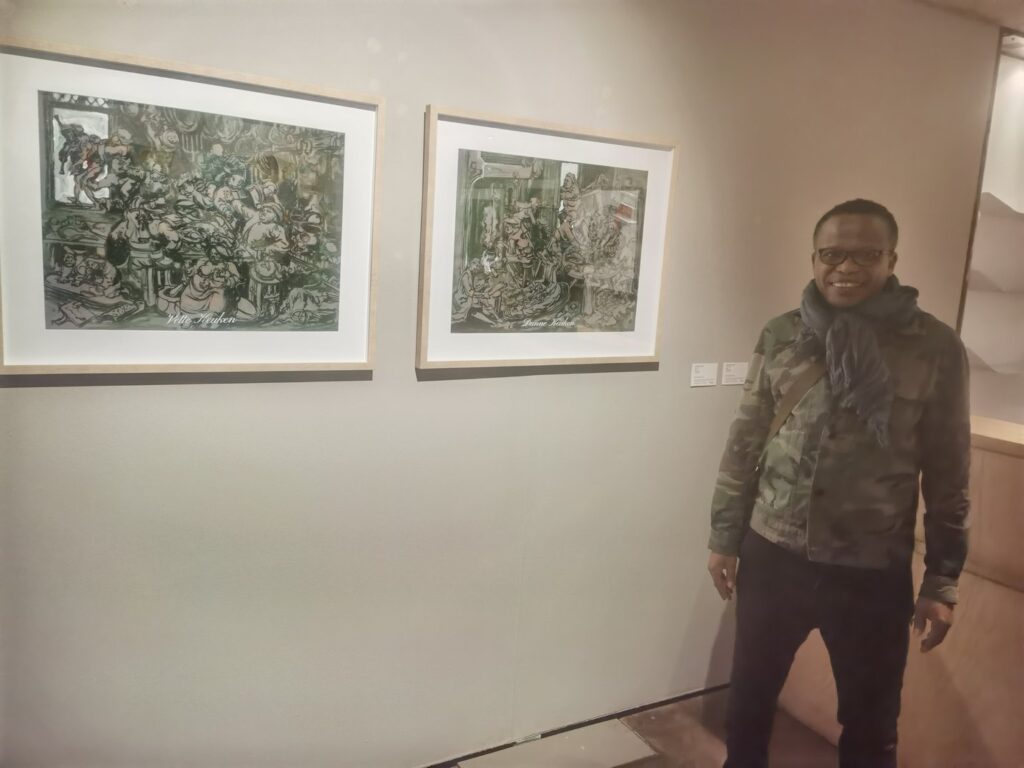
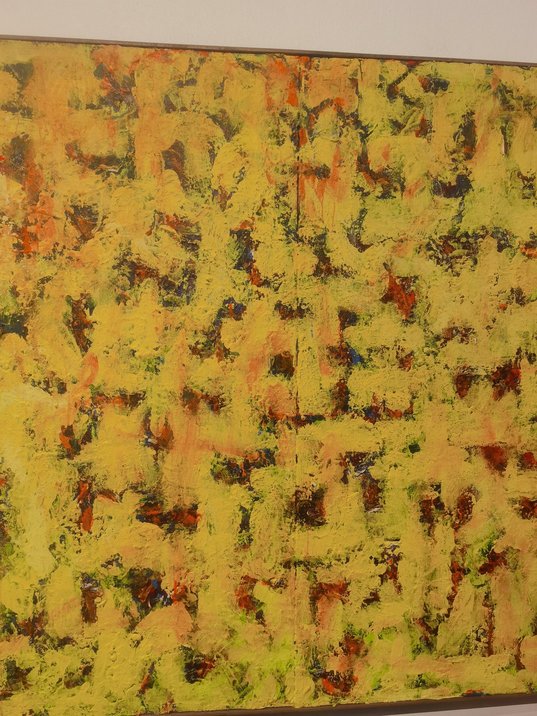
The next port of call in my team’s schedule was the Bag Factory Artist Studio alumni exhibition, which opened also on Thursday at Circa gallery in Rosebank. I however must say upfront that the vibe was amazing, with guests having come in their numbers, filling up the corridor that leads to the upper gallery, where most of the action took place –speeches and performances.
The upper gallery was packed. It was not easy for one to move around to view the art on the walls. In fact, it would not be an incorrect observation to state that there was little art viewing by the guests, but more spirit of excitement to network and catch up with one another.
In fact, good or bad, such an atmosphere in Johannesburg art circles, has become a defining feature of the opening of art events. We have seen it at exhibition openings at all the galleries active in the Johannesburg art ecosystem. We have seen it at art fair openings. In fact, we continue to witness that every other day in art circles. I guess we have to accept this culture as it is, and one therefore, needs to come back some other time when it is quiet to engage with meaningfully the art on display. It is not an exaggeration to suggest that the vibe appeared and felt as if one was at an art fair, and the event gave a sense of a big occasion. Taking place on a First Thursdays, which involves several galleries located within this art strip, it felt good to be at this event though.
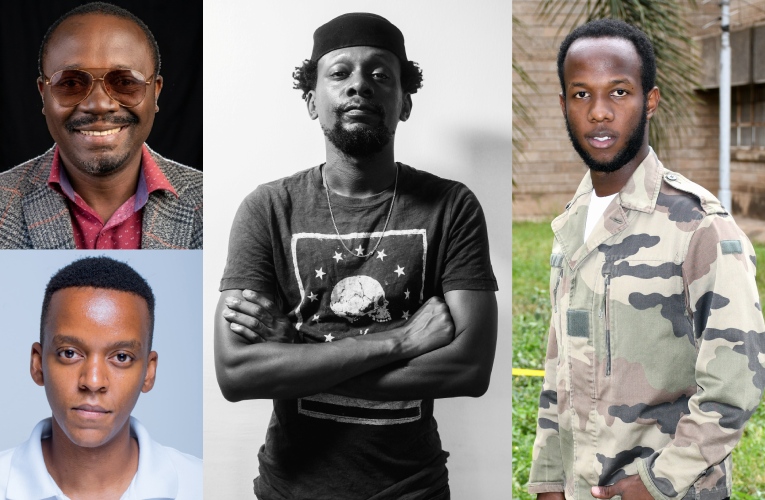
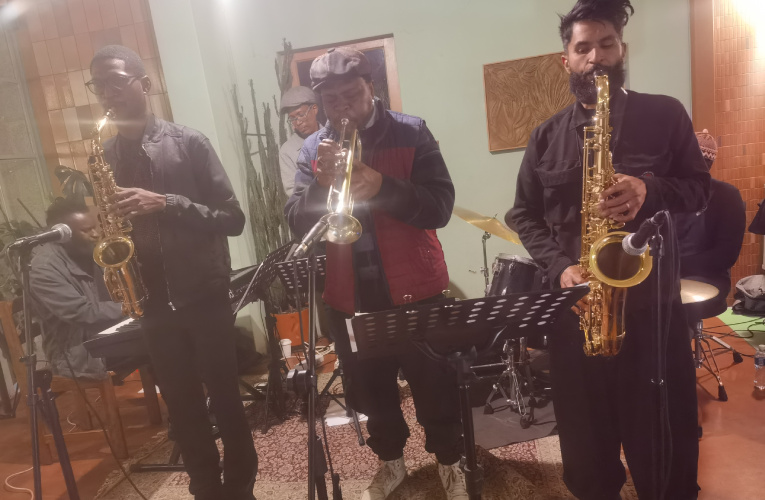
That Thursday, would not have been complete without a perfect closing. From Circa, it was time for us to move to a Lit. Culture live jazz concert organised by Lit.Culture at Breezeblock in Brixton. Here top jazz musicians, all solo artists on their own right, in the name of giving jazz lovers a taste of what happens when top jazz musicians come together and perform aptly calling their makeshift outfit Brotherhood of Great Hearts. Featuring Tumi Mogorosi on drums, Maxwell Baloyi on piano, Muhammad Dawjee on tenor sax, Lesedi Ntsane on trumpet, and Nhlanhla Radebe on double bass. These brothers of music transported us into a space that felt good. Some of us, who happened to be 90 percent of the audience, who had travelled all the way to the other side of town to Brixton, coming from Rosebank where we had attended the Bag Factory exhibition opening at Circa Gallery, felt that this was an after-party of that opening. We therefore celebrated and enjoyed the spiritually uplifting jazz sound performing by the brothers as such.
If there is such a thing as a perfect evening in Johannesburg, Thursday was such.