


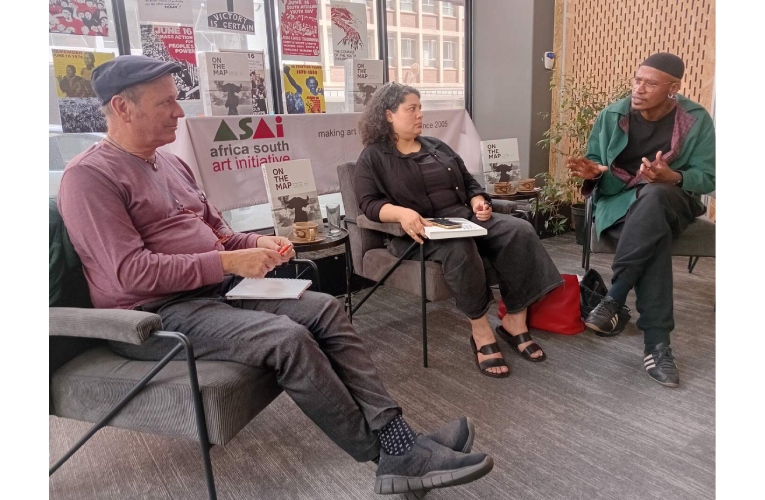
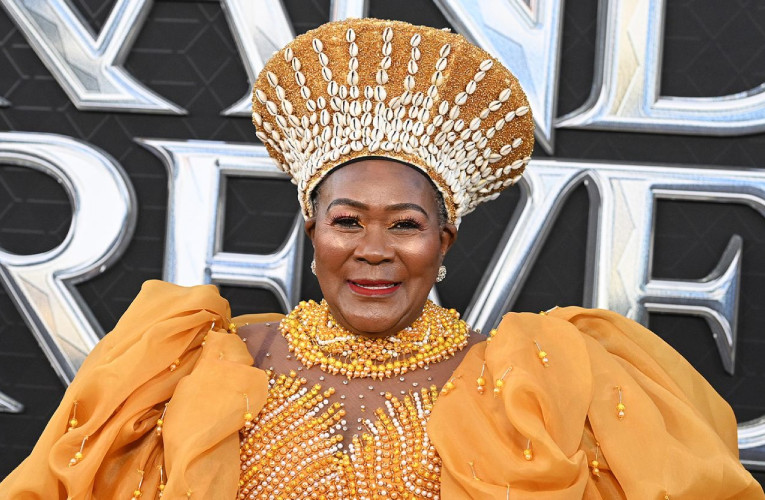
Veteran actor Kid Sithole pays tribute to the late legendary actor Connie Chiume
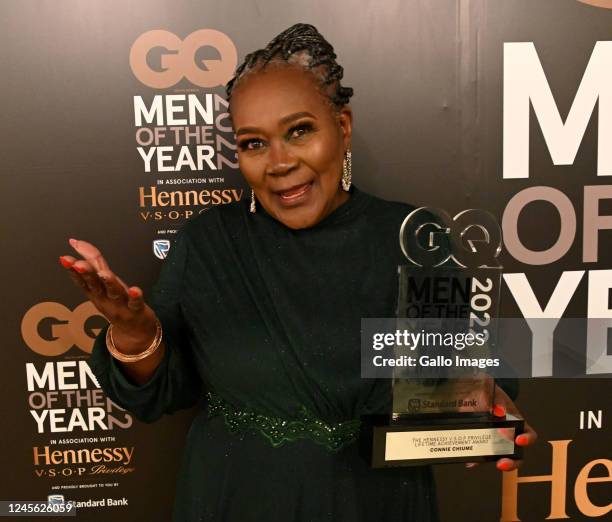
Lest We Forget: Connie Temweka Gabisile. Chiume (5 June 1952–6 August 2024); A tribute by Mabutho Kid Sithole.
By Mabutho Kid Sithole (with Sandile Memela)
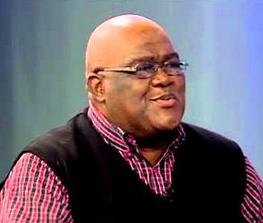
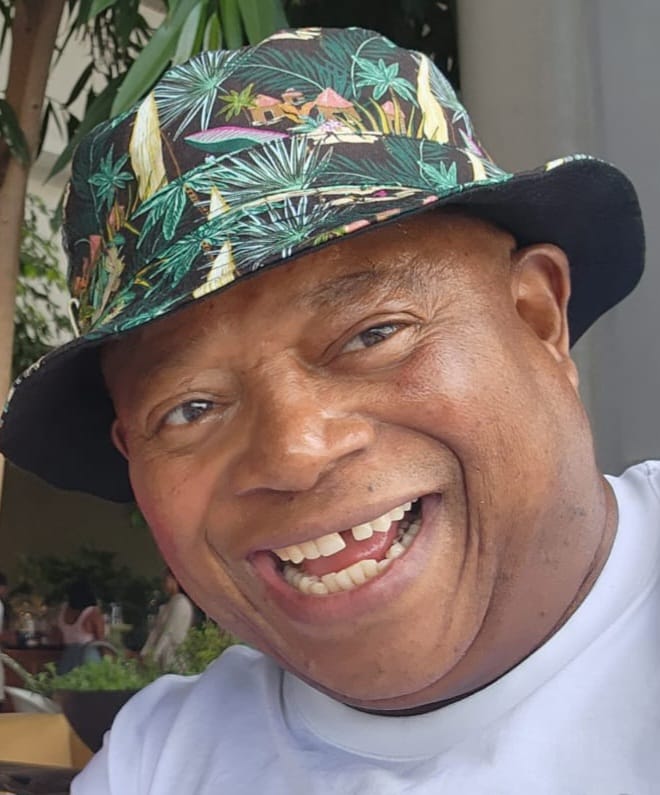
She was born on, 5 June 1952, in Welkom, Free State.
Connie Chiume carried two worlds in her name and in her blood: a Malawian father and a Zulu mother from South Africa. That marriage of nations in one home matters.
In a time when African vs African tension still flares in our streets, Connie’s life reminded us that our borders were drawn by others, but our families, our art, our struggle were always shared.
Her heritage is a quiet call for us to comply with the law, yes, but more than that, to find each other as Africans. We are hopeful because she showed it was possible.
From chalk to stage
Connie was first trained as an educator. Teaching was her foundation. But the pull of performance was stronger. She moved from the classroom to the stage, then to television, then to film, and she never stopped learning in any of those spaces.
On stage she gave us Ipi Ntombi, Porgy and Bess. On television she became part of our homes: Inkomo Edla Yodwa, Sgud’ Snayisi, Yizo Yizo 2, Rhythm City, Gomora.
On screen she reached the world: Warrior from Hell, The Air Up There, Black Panther, Black is King, Blessers. Only a few titles, but each one shows range.
She could play the fierce queen, the grieving mother, the sharp-tongued elder. She did not just act. She taught through character.
The lesser known fight: Connie the workers’ activist
When the media spoke to Connie, they asked about glamour, red carpets, Hollywood. Rarely did they ask about the workers struggle. Yet that was where Connie was most stubborn, most vocal, most brave.
She was not a spectator to the pain of artists. She was in the trenches with us. The first challenge we faced was that artists tried to fight employers alone. One actor against SABC. One dancer against a theatre house. One musician against a promoter. We were broken into pieces. Connie understood that only a collective voice gets heard.
So we built. The Performing Arts Workers Equity, PAWE, was formed to unionize and protect practitioners.
Its early leaders included Ramolao Makhene, Boikie Mohlamme, Carol Steinberg, Japan Mthembu, Dan Robbertse, Maishe Maponya.
Later the baton passed to Mabutho Sithole, Nakedi Ribane, Cumi Masango, Connie G Chiume, Boikie Pholo, Jerry Tsie.
Connie did not just lend her name. She attended meetings when cameras were not there. She spoke at gatherings when there was no pay. She confronted power because artists’ lives were at stake.
In 2007 PAWE merged with the Musicians Union of South Africa. From that merger came the Cultural and Creative Workers Union of South Africa, CCWUSA, an affiliate of COSATU.
For the first time, artists had a structure that could walk through the NEDLAC door. Working conditions, contracts, residuals, safety on set, these issues could finally be tabled as labour issues, not favours.
That momentum led to another historic step. In March 2015 we launched the Creative and Cultural Industries Federation of South Africa, CCIFSA, the umbrella body meant to represent all art forms, the way SASCO represents sport.
The task team was chaired by Yvonne “Chaka Chaka” Mhinga, with Mabutho Kid Sithole as deputy. At every step of creating that collective voice, Connie was present and vocal. She believed unionization was not politics. It was survival.
Together with then Minister of Arts, Culture and Heritage Paul Mashatile, now Deputy President, and former COSATU General Secretary Zwelinzima Vavi, we took the decision that the arts sector needed one strong roof.
Connie backed that decision fully. She knew that without structure, artists would remain gig workers with no pension, no medical aid, no dignity.
A dream deferred
It is hard to swallow that almost two years after her passing on 6 August 2024, the full unionization of the arts sector that Connie fought for is still a dream deferred.
CCIFSA and CCWUSA exist, but enforcement is weak. Many productions still operate without proper contracts. Many artists still die poor.
Connie’s exit from life’s stage does not mean closure to the script we wrote together for the arts struggle: “Better Lives for All.” Aluta continua. The fight continues until we join her at the eternal stage.
Final word
Connie Chiume was more than a celebrated actress. She was a Malawian-South African daughter who embodied African unity. She was a teacher who never stopped teaching, even when she moved to film. She was a unionist who knew that applause does not pay rent, but collective bargaining can.
So we remember her fully. Not just the queen in Black Panther. Not just the gogo in Gomora. We remember the woman in the meeting room at 10pm, arguing for a minimum rate for background actors. We remember the voice that said “artists are workers too.”
Your inspiration and spirit lives, Cde Connie. Your scenes are done, but your lines are still being spoken by those of us left stage.
We will keep the script alive. We will keep the fight alive.